REVIEW · BEIJING
Beijing: Imperial Cuisine Experience & Cultural Performance
Book on GetYourGuide →Operated by PidanTravelAgency · Bookable on GetYourGuide
Royal food, served with a show. The Yuxiandu Imperial Cuisine Museum in Beijing is built around how court meals evolved over five millennia, and it pairs that with a palace-like dining experience that recreates what royalty ate. I like that the museum part is more than decoration, with a collection of over a thousand historical items that explain the role of food in imperial life.
One thing to consider is that this is a formal, set-menu style meal. You’ll see luxury ingredients on the menu like sea cucumber with fish maw and braised dishes, so if you’re picky or avoid specific seafood/offal flavors, this may not be your easiest night.
In This Review
- Key highlights to know before you go
- Yuxiandu Imperial Cuisine Museum: a 5,000-Year Timeline in Haidian
- The palace-style dining: what the royal meal feels like
- What’s actually on the menu (and what to watch for)
- The performance timing: how the evening runs
- How the museum + dinner pairing actually works
- $137 per person: is it value or just a splurge?
- Who this fits best (and who might skip it)
- Tips to make it smooth and enjoyable
- Should you book this Beijing imperial cuisine experience?
- FAQ
- Where is the Yuxiandu Imperial Cuisine Museum located?
- How long does the experience take?
- What is the price per person?
- What’s included in the ticket?
- Are traditional costumes and makeup transformation included?
- What time does the performance start for the lunch session?
- What time does the performance start for the dinner session?
- Is it suitable for small children?
- Is wheelchair access available?
Key highlights to know before you go
- A museum plus a meal, so you’re not just eating, you’re learning what makes imperial food imperial
- Over a thousand historical artifacts, including utensils and documents tied to court dining
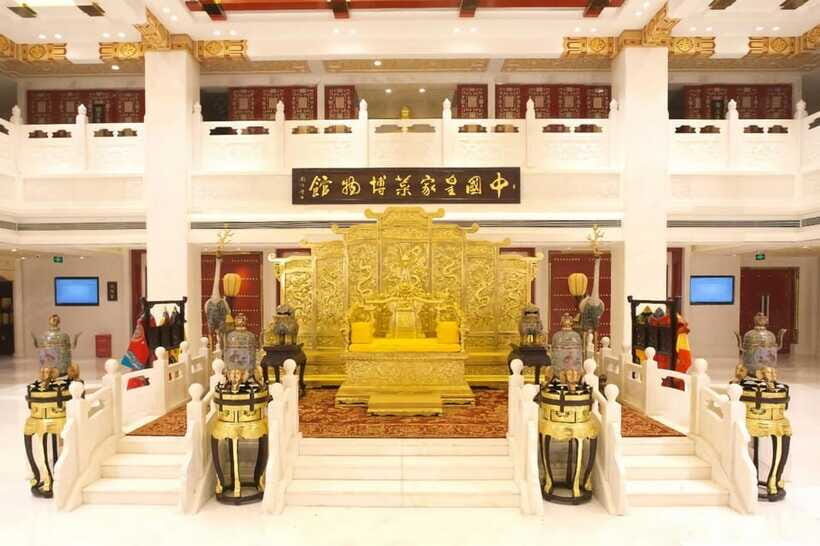
- A palace-setting restaurant design, built to make the dinner feel like you’ve stepped into a former court
- A complete royal-style menu, from snacks and appetizers to roast duck and longevity noodles
- A scheduled cultural performance that starts after your dinner check-in
- Wheelchair accessible, which makes the whole setup more practical than it sounds
Yuxiandu Imperial Cuisine Museum: a 5,000-Year Timeline in Haidian
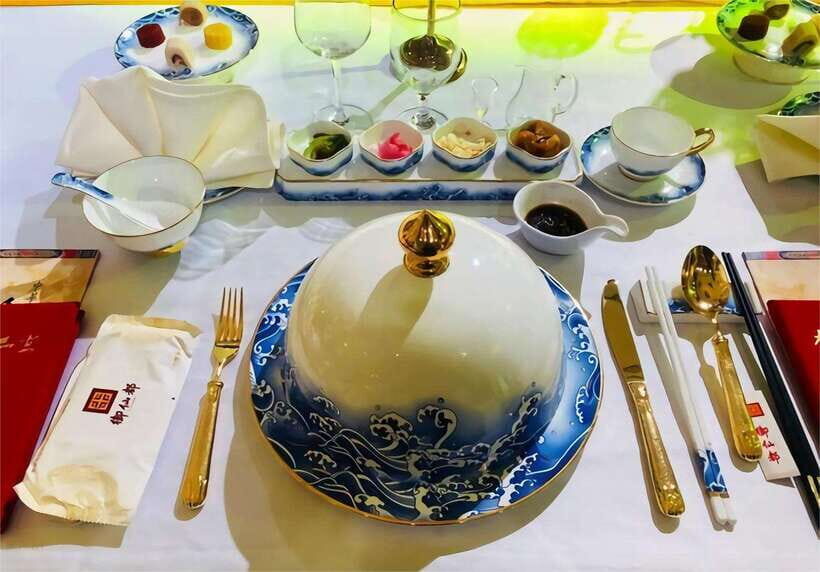
This experience starts with the Yuxiandu Imperial Cuisine Museum, located in Beijing’s Haidian District near Sijiqing Bridge. The concept is simple: imperial cuisine wasn’t one dish or one dynasty. It changed with ingredients, tastes, and the way emperors and their courts wanted to project power through food.
Inside, you’re guided by exhibits that track the development of Chinese royal dishes from ancient times through the Qing Dynasty. The museum’s collection is described as over a thousand precious historical artifacts, including dining utensils and valuable documents. That matters because it turns the story of food into something tangible. Instead of vague “old-school Chinese cooking” talk, you get to see objects that connect cuisine to court life and ceremony.
You should expect a museum route that helps you notice patterns. For example, imperial dining tended to lean on luxury ingredients and careful presentation. Even when the dishes are familiar in concept, the imperial approach often signals status: special preparations, timing, and cooking methods meant for a court, not a street stall.
If you like museums but hate museum-only experiences that drag on, this format is built for you. The food is scheduled, so you’re not just wandering. And if you’re only here for the dinner, the exhibits still give you helpful context while you wait for the performance to begin.
You can also read our reviews of more tours and experiences in Beijing.

The palace-style dining: what the royal meal feels like
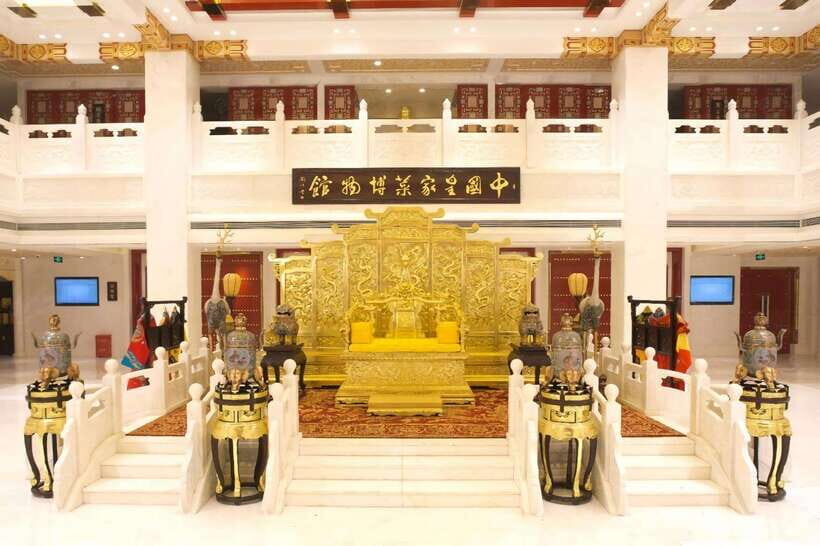
The dining side is where this experience goes from informative to fun. The museum restaurant is designed to echo a palace setting, so even before the food arrives, the atmosphere helps you switch gears from modern Beijing to something more ceremonial.
The dinner itself is structured as a set feast that replicates the kind of sumptuous meals enjoyed by royalty. In other words, you’re not ordering one thing and calling it done. You’re moving through multiple courses that include snacks, appetizers, mains, and desserts.
That set-menu format can be a win. You don’t have to make choices, and you get exposure to a range of flavors that you might never pick on your own. It’s also a good way to understand imperial cuisine as a system: snack culture, soup course rhythms, meat and poultry for status, and sweet items that show up with their own symbolism.
Just keep expectations practical. It’s not a casual buffet where you can grab what you want and skip the rest. You should show up hungry, take your time between courses, and let the meal happen at its pace.
What’s actually on the menu (and what to watch for)
The menu listed for this experience is a full spread. Here are the items, with the kind of taste and texture you can reasonably expect from each:
- Appetizer platter: Expect a mix designed to start the meal lightly and set the tone.
- Braised Sea Cucumber with Fish Maw in a casserole: This is one of the most luxury-marked dishes. Sea cucumber and fish maw are known for their distinctive texture and richness. If you don’t enjoy chewy, gelatin-like textures or strong umami, this could be your least favorite course.
- Marinated Tofu and Bamboo Shoots: A steadier, often earthy-sweet option that adds balance against heavier meat dishes.
- Roast Duck with Jujube Wood: This is a standout for many people because the wood-smoking flavor idea tends to give duck a deeper aroma. Jujube wood implies a slightly sweet, fruit-like smoke note.
- Chinese Cabbage in soup: Soup courses in formal meals usually help reset your palate.
- Roasted Lamb: Another hearty main. Lamb gives that “royal court banquet” feel, but it’s not delicate.
- Longevity noodles with poached eggs: This is a classic-style banquet dish in spirit—comforting noodles with a symbolic, celebratory vibe.
- Deep-fried dough sticks (youtiao) with milk: A breakfast-inspired element that shows how court dining could mix tradition and indulgence in one setting.
- Yoghurt filled with honey: A gentle sweet finish that rounds out the meal rather than ending with something too heavy.
Two practical notes for you:
1) This menu is not vegetarian. It includes sea cucumber with fish maw, duck, and lamb.
2) Even if you’re adventurous with food, you may still want to skip or reduce specific bites if you dislike particular textures (especially the sea cucumber/fish maw course).
Also, the event includes the meal and the performance, while traditional costume and makeup transformation are not included. That doesn’t mean there’s no costume at all. It just means you’re not going to be transformed into royal dress yourself.
The performance timing: how the evening runs
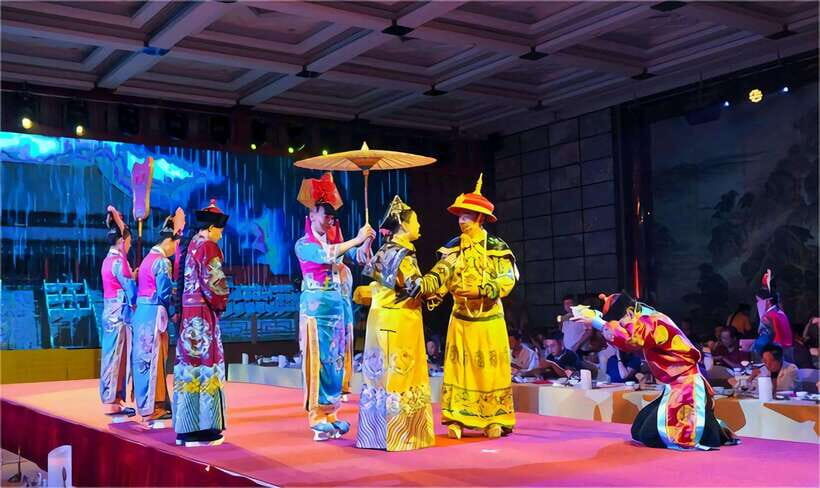
This experience combines dining with a cultural performance. The scheduling is specific, and it’s worth planning around it because the show start time is tight.
For the dinner session:
- Dinner ticket checking time: 6:28 PM
- Performance begins: 6:50 PM
For the lunch session:
- Lunch ticket checking time: 11:38 AM
- Performance begins: 12:10 PM
The simple strategy for you: arrive a few minutes before the ticket checking time. That gives you breathing room for any line or seating, and it helps you be seated in time to start the meal without a scramble. Once the performance is rolling, you don’t want to be hunting for your table.
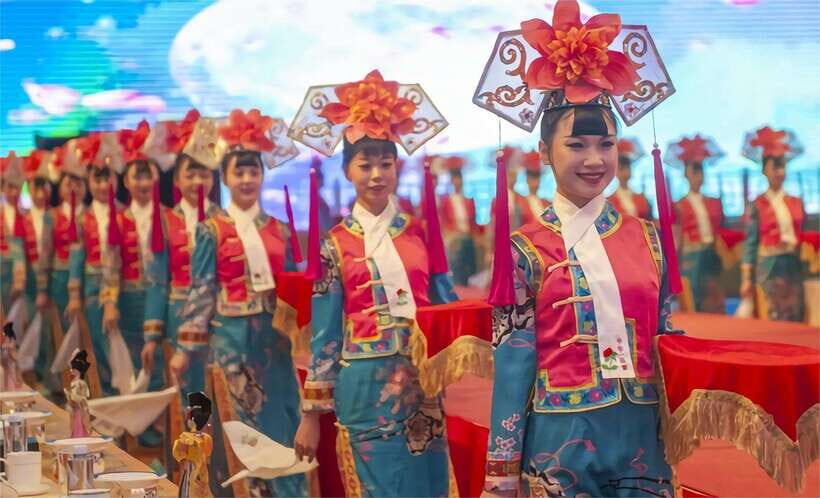
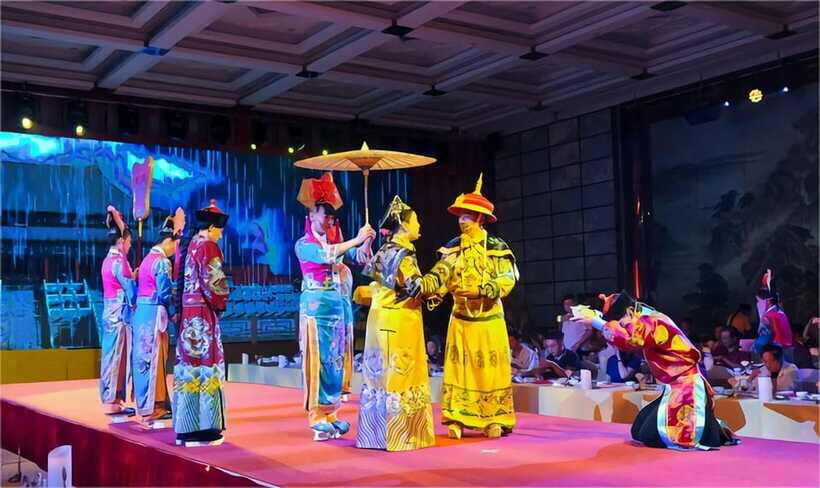
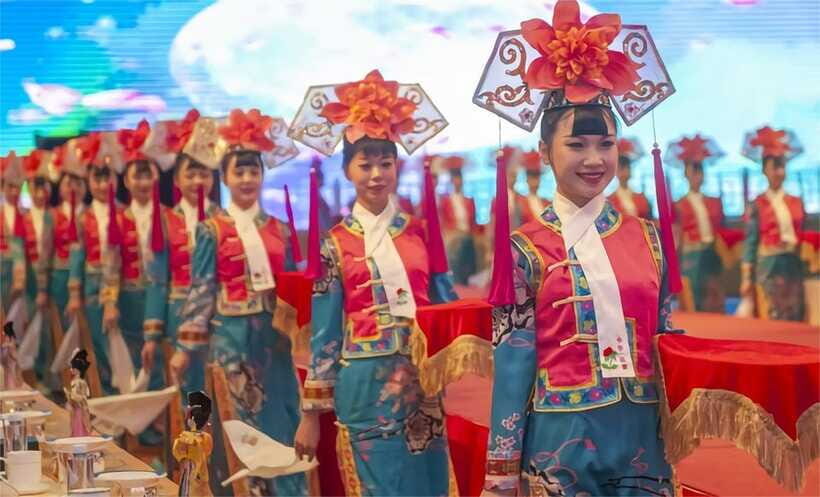
The cultural performance is part of what makes the night feel like more than “eat and leave.” In the feedback you’ll see a lot of emphasis on costumes, music, and dance energy. That fits the theme of the museum: this isn’t just food history, it’s how court culture expressed itself through ceremony.
How the museum + dinner pairing actually works
I like this pairing because it fixes a common problem with food tours. A lot of them only give you dishes with a few lines of explanation. Here, you get a museum route that sets up what you’re about to eat: the idea that imperial cuisine evolved over centuries and served as a cultural marker.
As you move through the museum exhibits, you’re primed to notice what chefs and courts cared about—luxury ingredients, careful cooking methods, and the social ritual of eating together. Then the palace-style meal lands with the same logic. It’s not random variety for entertainment. It’s a sequence.
And because the museum is also the restaurant, you’re not bouncing across town. That saves time and reduces the stress of coordinating transportation while hungry and dressed for an evening plan.

$137 per person: is it value or just a splurge?
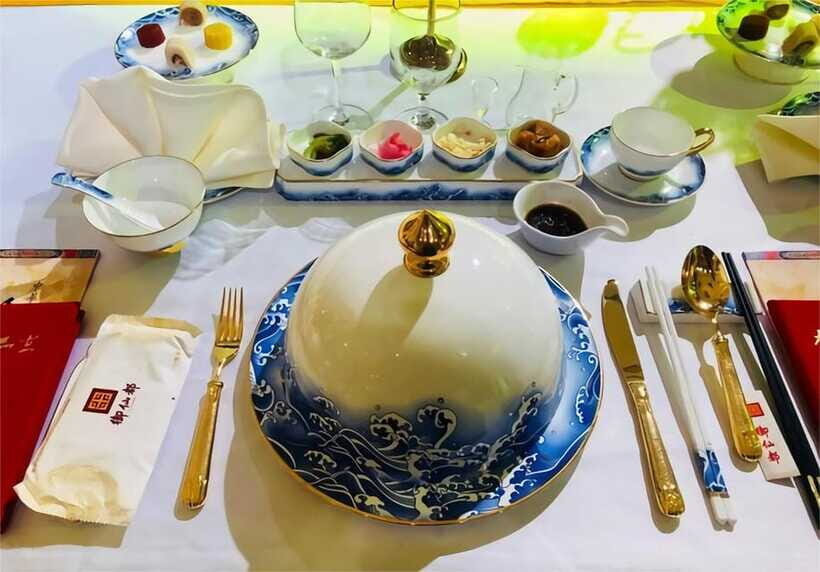
At $137 per person for a 3–4 hour experience, you should judge value based on what you’re actually getting, not just the price tag.
Here’s what’s included:
- The meal (multiple courses listed on the menu)
- The cultural performance
And what you’re paying for beyond food:
- The museum setting and exhibits, including the historical artifacts collection
- A palace-like restaurant design that’s meant to replicate court atmosphere
- The structured timing that gets everyone seated and ready for the show
So yes, it’s more expensive than picking a famous Beijing dumpling restaurant and calling it a meal. But it’s also more than a dinner. You’re buying the museum experience plus the performance in one block of time.
My practical take: this is best value when you want a single “main event” in Beijing that’s easy to plan and feels special without requiring you to hunt down details on your own. If you already plan to do a lot of museum time and just want one quick meal, you might find it less efficient. But if you want an all-in cultural evening with food, it’s priced like a premium experience for a reason.
If the price feels high on your platform checkout, it can be smart to compare options and check whether booking direct is cheaper. That’s a common move with experiences like this.
Who this fits best (and who might skip it)
This experience fits you if:
- You enjoy museum-style learning but want it paired with food
- You’re excited by set menus and want to try dishes you’d never order casually
- You want a cultural performance built into your meal plan
- You like the idea of an evening that feels ceremonial, not just transactional
It might not fit you if:
- You dislike specific ingredients or textures (especially the sea cucumber with fish maw course)
- You prefer ordering à la carte and building your own pace
- You’re traveling with very young kids (children under 2 years are not suitable)
If you’re a solo traveler, it can be a nice way to avoid planning complexity. If you’re traveling as a couple or a small group, it’s also a solid “everyone gets the same experience” deal—less decision-making, more shared moments.
Tips to make it smooth and enjoyable
A few practical things can help you get the best version of the experience:
- Arrive a little early for the ticket check time so you’re seated before the meal starts and you’re not rushing toward the show.
- Read the menu items before you go, especially if you’re sensitive to seafood/offal or you know you don’t like certain textures.
- Plan your day so you’re hungry but not starving. A multi-course banquet style meal works best when you’re hungry enough to enjoy each course, not so hungry you feel rushed.
- Don’t rely on the QR code from your booking platform as your real ticket. Your real ticket is sent by email, so check your inbox so you have the correct document when you arrive.
If you do those basics, the whole thing tends to feel like a confident plan rather than a gamble.
Should you book this Beijing imperial cuisine experience?
I think you should book the Yuxiandu Imperial Cuisine Museum + palace-style dinner + performance if you want one standout evening that combines history, food, and stage culture in a single time window. The big win is the pairing: the museum gives meaning to the meal, and the meal makes the museum story memorable.
Skip it if you’re mainly looking for a flexible à la carte dinner, or if you know you won’t enjoy the luxury ingredients listed (sea cucumber/fish maw and lamb are the big ones to consider). Also, if you’re trying to keep costs tight, compare options before you commit—this kind of experience can be priced differently across booking channels.
FAQ
Where is the Yuxiandu Imperial Cuisine Museum located?
It’s in Beijing’s Haidian District near Sijiqing Bridge.
How long does the experience take?
Plan on 3 to 4 hours.
What is the price per person?
The price is $137 per person.
What’s included in the ticket?
The ticket includes the meal and the performance.
Are traditional costumes and makeup transformation included?
No. Traditional costume and makeup transformation are not included.
What time does the performance start for the lunch session?
For lunch, the performance starts at 12:10 PM, with lunch ticket checking at 11:38 AM.
What time does the performance start for the dinner session?
For dinner, the performance begins at 6:50 PM, with dinner ticket checking at 6:28 PM.
Is it suitable for small children?
It is not suitable for children under 2 years.
Is wheelchair access available?
Yes, the experience is wheelchair accessible.