REVIEW · BEIJING
Beijing: China National Film Museum Entry Reservation
Book on GetYourGuide →Operated by PANDA HAPPY JOURNEY IN CHINA · Bookable on GetYourGuide
Film history in four floors.
The China National Film Museum turns cinema into something you can walk through, with a story that runs from early eras to more modern Chinese filmmaking. I like how the visit is set up for a smooth self-paced experience, and you can use the QR code you’re sent to enter directly without hunting for a ticket desk.
What I like most is the sheer scale of the museum—21 exhibition halls plus six movie halls, all aimed at telling the development of film over time. I also appreciate that your ticket includes an English textual and visual guide, which helps you understand what you’re seeing even when the on-site descriptions aren’t in English.
One thing to consider: some parts can lean heavily toward Chinese signage and descriptions, so plan to rely on the included guide to get the most out of it. If you don’t read Mandarin at all, you’ll feel it more in the less-guided moments.
In This Review
- Key Highlights You’ll Actually Notice
- China National Film Museum at a Glance: What Fits in 2 Hours
- How the Separate QR Code Gets You In Fast
- First Floor: The Theme Exhibition Stops You Can Start With Immediately
- Second Through Fourth Floors: A Century of History, A Century of Glory
- 21 Exhibition Halls: A Walkable Plan That Doesn’t Burn Your Legs
- Movie Halls and IMAX GT: What to Do If You Want the Big Screen
- Language Reality Check: What English Guide Covers (and What It Can’t)
- Staff Help and the Overall Visitor Experience
- Price and Value: Why This Entry Ticket Feels Reasonable
- Who Should Book This Film Museum Entry (and Who Might Not)
- Should You Book This Film Museum Entry?
- FAQ
- FAQ
- How do I enter the China National Film Museum with this reservation?
- Is the QR code from the app the same as the entry ticket?
- How long should I plan to spend inside?
- What’s included in the ticket price?
- Are movie screenings included?
- What do I need to bring?
- Is the museum wheelchair accessible?
- Can I cancel if my plans change?
Key Highlights You’ll Actually Notice
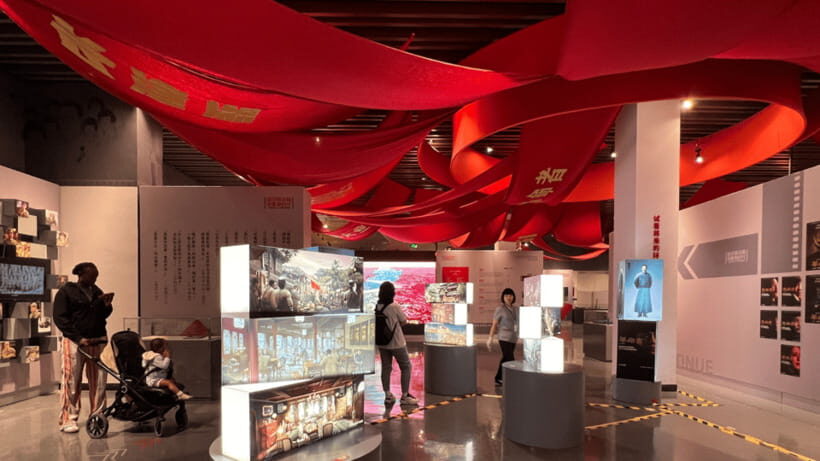
- 21 exhibition halls + 6 movie halls: plenty of variety for a compact 2-hour visit
- Century-themed floors: the museum’s main route is built around a long sweep of film history
- English textual and visual guide included: helpful for non-Mandarin readers
- QR entry that skips the ticket line: less waiting, more time inside
- Movie halls include an IMAX GT option: great if you’re into big-screen viewing
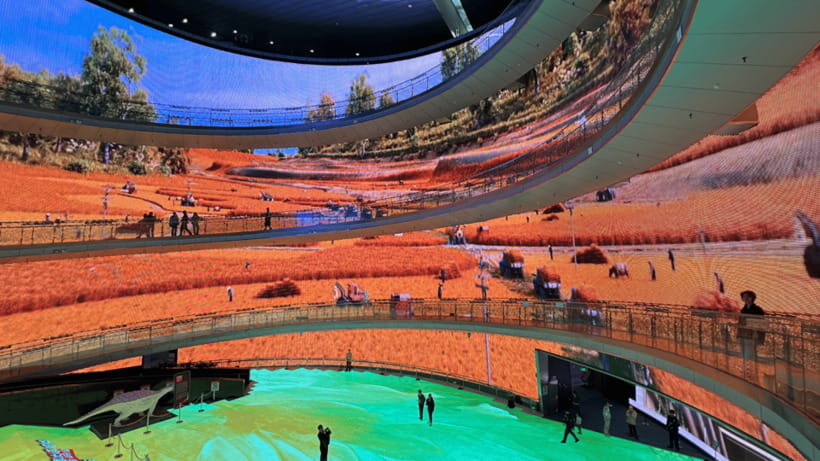
- Expect some dinosaur-themed exhibition areas: a fun, family-friendly surprise
China National Film Museum at a Glance: What Fits in 2 Hours
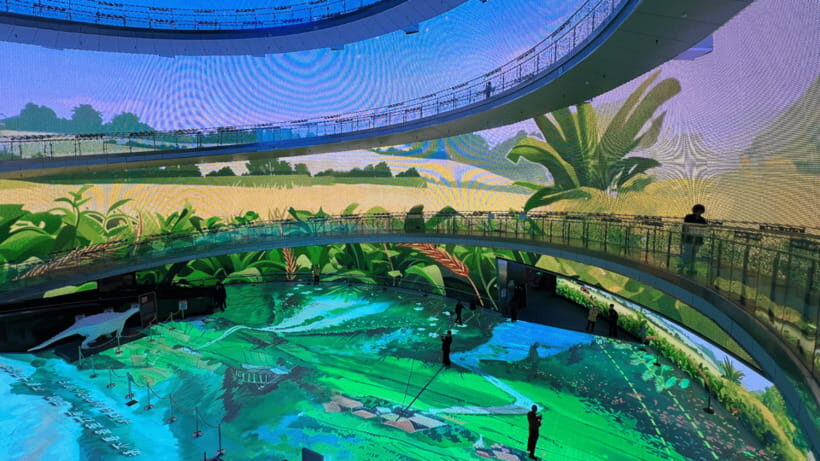
For a ticket that costs about $4.82 per person, this is one of the more efficient museum entries in Beijing if your goal is “see a lot, understand the main story, don’t spend all day.” You’re looking at a visit length of around 2 hours, which is usually enough time to follow the main floor-to-floor narrative, skim key exhibits, and catch at least one movie-hall experience if you choose to pay for a screening.
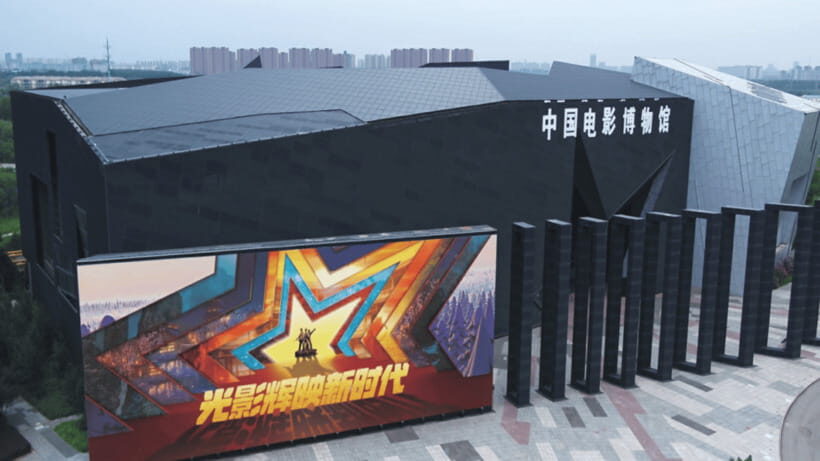
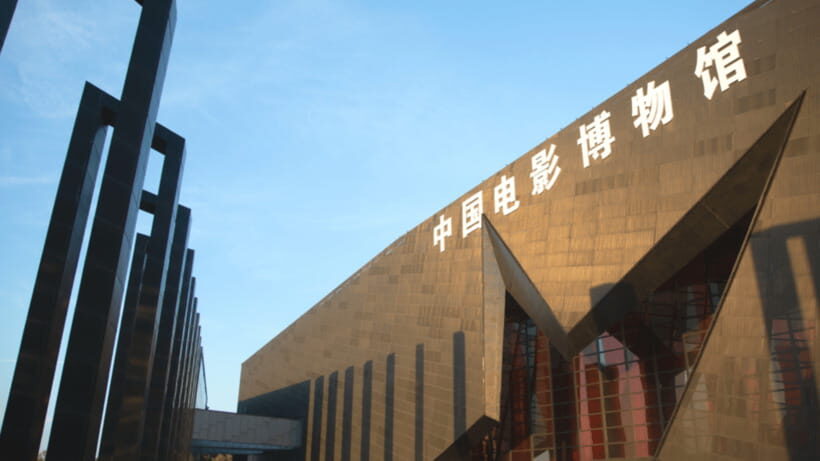
The museum itself is big in practical terms, not just impressive on paper. It sits on an 8.7-acre site with nearly 38,000 square meters of architectural space, and the exhibition areas alone total about 13,000 square meters. That scale matters because the museum is designed with multiple routes, so you won’t feel like you’re stuck in one room for the entire visit.
It’s also worth knowing the institution’s “why it exists.” The China National Film Museum is a public cultural facility ratified by the State Council. It was founded on December 29, 2005 and opened to the public on February 10, 2007. That gives the visit a sense of purpose: this isn’t just a collection of posters. It’s built to explain how film became what it is in China—technically, artistically, and historically.
You can also read our reviews of more museum experiences in Beijing



How the Separate QR Code Gets You In Fast
This ticket is all about speed and simplicity—as long as you use the right QR code. After you book, you’ll receive your e-ticket by email or WhatsApp with a QR code you must use to enter.
Here’s the practical catch: the QR code shown inside the GetYourGuide app is not your admission ticket. You need the QR code that arrives separately for museum entry.
So what you should do before you head out:
- Save the QR code image on your phone and also be ready to open the message quickly.
- Don’t assume the app’s code will work for entry.
Once you have the correct QR code, you can enter directly and skip the ticket line, which is exactly what you want in a city where queues can eat up your day.
First Floor: The Theme Exhibition Stops You Can Start With Immediately
Your main job on the first stop is orientation. The museum’s first floor includes a theme exhibition called The Theme Exhibition of A New Journey of Struggle. Even if you’re not planning to read everything word for word, this kind of opening gallery helps you understand how the museum wants you to think about Chinese cinema: as something connected to culture, society, and change over time.
One reason this floor can feel especially memorable is that you may run into dinosaur-themed exhibition areas. That detail showed up in real visitor experiences, and it makes sense in a museum that tries to keep people engaged across ages. If you’re visiting with kids, this is often the easiest place to get them excited without turning it into a stressful lecture.
The only drawback here is also simple: if you’re relying heavily on English help, you’ll want to check that the guide points you toward the sections you care about most. Some galleries are more “story-driven” than others, so use the guide to choose what you don’t want to miss.
Second Through Fourth Floors: A Century of History, A Century of Glory
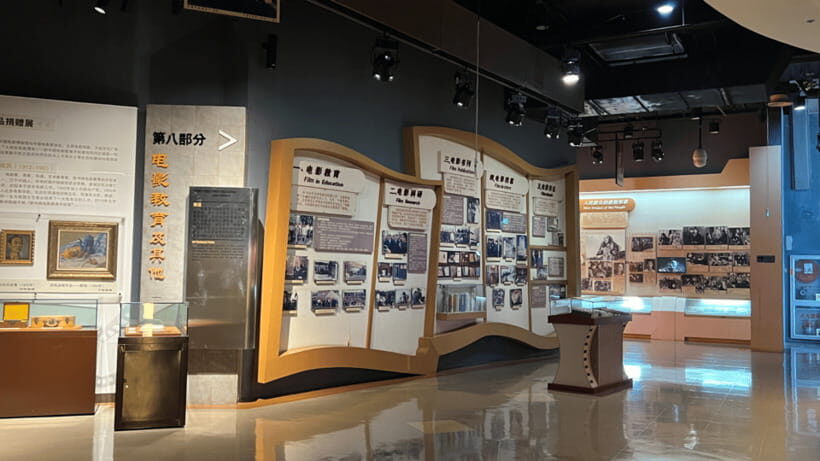
This is the route most people come for. On the second, third, and fourth floors, the exhibition A Century of History, A Century of Glory lays out the story of Chinese film across periods and stages.
In plain terms, you’re not just looking at film posters. The museum is designed to show:
- how filmmaking evolved over time
- what different eras focused on
- key artistic achievements connected to film-makers
- and, in some areas, the secrets of film making—the behind-the-scenes ideas that make cinema work as an art form
That last part is important for your expectations. If you only want plot summaries or a list of famous titles, a museum like this can feel too broad. But if you want to understand how and why cinema developed—tech, style, and storytelling choices—this is the strong center of the building.
I like the “century sweep” structure because it helps you avoid the most common museum problem: wandering with no mental map. Even if you skip sections, the overall framing keeps you oriented.
21 Exhibition Halls: A Walkable Plan That Doesn’t Burn Your Legs
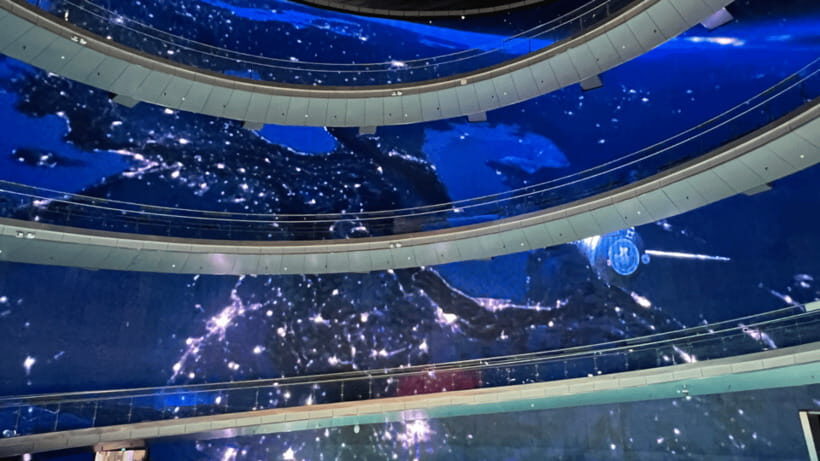
With 21 exhibition halls, it’s easy to over-plan and then get tired halfway through. So here’s a practical way to make the museum work for your time.
Think of your visit as three layers:
- The backbone story: follow the main history exhibition on floors two through four.
- The “show, don’t tell” moments: look for displays where the museum explains filmmaking methods or artistic achievements instead of only giving dates.
- The optional add-ons: choose one movie hall if you’re curious, or spend a bit more time in whichever gallery area you found most interesting.
Also, I’d strongly recommend using the included English textual and visual guide as your steering wheel. A few visitors have noted that some on-site descriptions can be Mandarin-only, and that matches what you should assume in many Chinese museums. With the guide, you can still build the meaning fast without feeling lost.
If you’re the type who likes to read every panel, you’ll likely need more than two hours. But if you’re happy to skim and learn the big picture, two hours is a realistic target.





Movie Halls and IMAX GT: What to Do If You Want the Big Screen
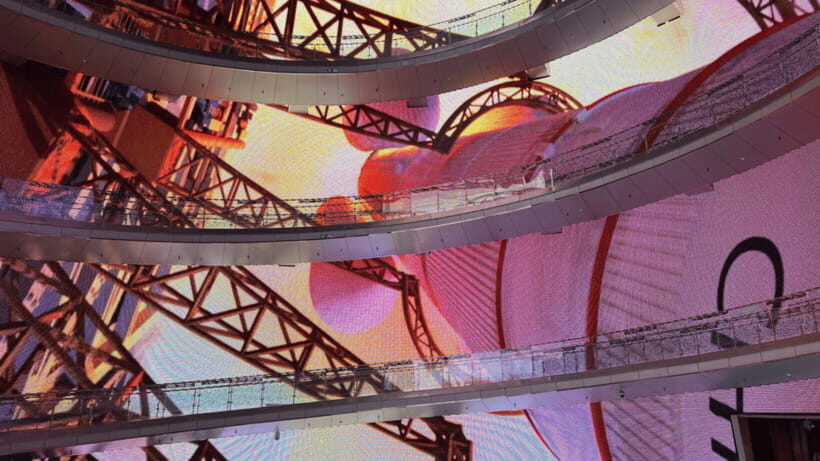
The museum has six movie halls, including an IMAX GT hall that can hold crowds of over 1,000 people. That’s a lot of capacity, and it tells you the museum isn’t just a display space. It’s also built for cinematic viewing.
But here’s the key value point: paid movie screenings are not included. That means you’ll need to decide on the spot whether you want to spend extra for a screening during your visit.
How to decide:
- If you’re a film fan and want to pair exhibits with actual screenings, add one paid show and treat it like the “reward” at the end.
- If you’re mostly interested in the history exhibits, you can skip the movie halls entirely and still get a complete visit.
Either way, the presence of movie halls helps explain why the museum is structured the way it is: the displays are meant to connect to what cinema feels like.
Language Reality Check: What English Guide Covers (and What It Can’t)
Let’s be honest. This museum is China-focused, and some exhibit signage can be Mandarin. I’ve seen firsthand how museums handle language gaps: sometimes English is fantastic and sometimes it’s helpful but not perfect.
What you can count on from your ticket is an English version of the textual and visual guide. That’s a big deal because it gives you context for what you’re seeing, especially in the main history galleries.
So if you don’t read Chinese, you’ll do best by:
- spending your time where the guide provides the most explanation
- treating the on-site text as supplemental, not the core learning tool
- prioritizing the main floor-to-floor story rather than trying to catch every detail in every hall
This approach keeps your visit fun instead of frustrating.
Staff Help and the Overall Visitor Experience
One thing that came through clearly from visitor feedback is that staff tend to be friendly and helpful. For you, that matters because museums can have confusing wayfinding when signage isn’t in English. If you get stuck, it’s a relief to know you can ask and get real assistance.
It also helps that the museum is built for visitors to move through. With the QR entry system and the self-guided structure, you’re not locked into a tight group schedule. Your 2-hour window is yours to manage.
Price and Value: Why This Entry Ticket Feels Reasonable
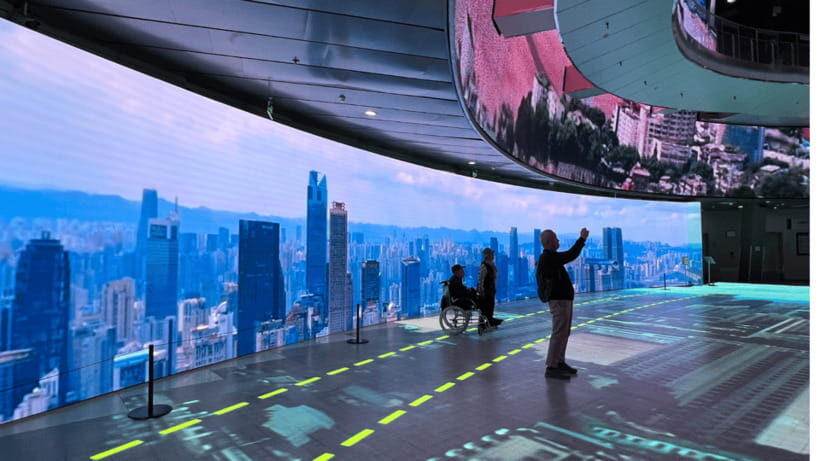
At around $4.82 per person, you’re paying for:
- entry reservation
- skipping the ticket line
- and an English guide (textual and visual)
That price is the “smart buy” part here. Museums with strong interpretive content often cost far more, especially when you add translations and multimedia elements. Even though you might pay extra for a movie screening if you choose one, the core experience is still complete without it.
In other words, you’re not forced into additional spending. You’re given a functional entry package, a self-paced structure, and enough guided context to make the visit meaningful in a short time.
Who Should Book This Film Museum Entry (and Who Might Not)
This works best for you if:
- you like film history and want a structured, museum-style storyline
- you want a solid indoor activity that fits a half-day plan
- you’d appreciate an English guide even if some on-site descriptions are in Mandarin
- you’re traveling with family and want a place with moments that can capture different ages (including dinosaur-related sections)
You might want to reconsider if:
- you need extensive English signage on the walls themselves (the guide helps, but it’s not the same as fully bilingual exhibits)
- you expect every movie-hall screening to be included in your ticket (it isn’t)
For most visitors, though, this is a practical “value plus” experience.
Should You Book This Film Museum Entry?
If you want an efficient, story-driven museum visit in Beijing that doesn’t cost a fortune, I’d book this. The main reasons are simple: the museum layout makes sense in a 2-hour window, your ticket includes an English guide, and the QR entry reduces time wasted at the gate.
Book it if you’re curious about how Chinese cinema developed and you’re fine using a guide to handle language differences. Skip it only if you need fully English on-site text for everything, or if your priority is watching screenings (because paid movies can add cost).
FAQ
FAQ
How do I enter the China National Film Museum with this reservation?
After you order, you’ll receive your e-ticket by email or WhatsApp. Use the QR code sent separately for museum admission to enter directly, and skip the ticket line.
Is the QR code from the app the same as the entry ticket?
No. The code shown inside the GetYourGuide app is not your entry ticket. You must use the QR code provided separately for admission.
How long should I plan to spend inside?
The planned duration is 2 hours, so it’s best to move with purpose and follow the main exhibition floors.
What’s included in the ticket price?
The ticket includes entry reservation to the museum and an English version of the textual and visual guide.
Are movie screenings included?
No. Paid movie screenings are not included, so any theater showings you want to watch may cost extra.
What do I need to bring?
You should bring your passport.
Is the museum wheelchair accessible?
Yes, the activity is wheelchair accessible.
Can I cancel if my plans change?
The activity offers free cancellation up to 24 hours in advance for a full refund.