REVIEW · BEIJING
Beijing: Badaling Great Wall Admission Ticket
Book on GetYourGuide →Operated by PANDA144 experience · Bookable on GetYourGuide
One of the best places to grasp the scale of China’s Great Wall. Badaling takes the big wall story and turns it into a walkable, view-filled day, with UNESCO status and dramatic mountain terrain in Beijing’s Yanqing District.
What I really like is how the experience gives you freedom to explore at your own pace once you’re in, plus access to the on-site historical exhibits that help you understand what you’re standing on. One thing to consider: it’s self-guided, so you’ll want to plan your walking and turnaround time instead of relying on a tour narrative.
A smooth day starts with one detail: the entry process. This ticket experience doesn’t rely on the GetYourGuide QR code, so you’ll need to send your passport details (and wait for the confirmation email), or you risk your booking getting canceled. The good news is that once you’re through the gate, Badaling is a strong, scenic circuit with big views and real wall architecture to study.
In This Review
- Key points I’d focus on before you go
- Badaling Great Wall: What Makes This Section Worth Your Time
- Where You Start: The North Entrance at Jundushan
- Timing That Actually Works: Morning vs Afternoon Sessions
- Walking the Wall: The Climb Is Real (Here’s the Math)
- East and West Gates: Juyong Outpost and Northern Gate Key
- What the Historical Exhibits Add (So You Don’t Just Take Photos)
- Views by Season: Plan for Weather, Not Just Scenery
- Cable Car and Slideway Options: Use Them Strategically
- Value and Price: Why $13 Can Make Sense
- What to Bring (And What to Leave Behind)
- Booking Details You Must Get Right (QR Isn’t the Plan)
- Who This Ticket Is Best For
- Should You Book This Badaling Great Wall Admission Ticket?
- FAQ
- Where is the Badaling Great Wall entrance for this ticket?
- How much is the admission ticket?
- How long is the ticket valid?
- Are guided tours included?
- What times does the park operate?
- When do the cable options start?
- Is the cable car or slideway included in the price?
- What do I need to bring to enter?
- What info is required to complete the booking?
- Can I cancel?
Key points I’d focus on before you go
- Badaling is a major, scenic section of the Great Wall, built in the Ming Dynasty and reinforced later.
- Concrete wall stats help you understand what you’re seeing: trapezoid shape, narrowing toward the top.
- Two park sessions run through the day, with cable options at different start times.
- You can choose: walk the wall or add cable cars for parts of the climb.
- Ticket entry is mostly practical, not guided, so plan your route in advance.
Badaling Great Wall: What Makes This Section Worth Your Time
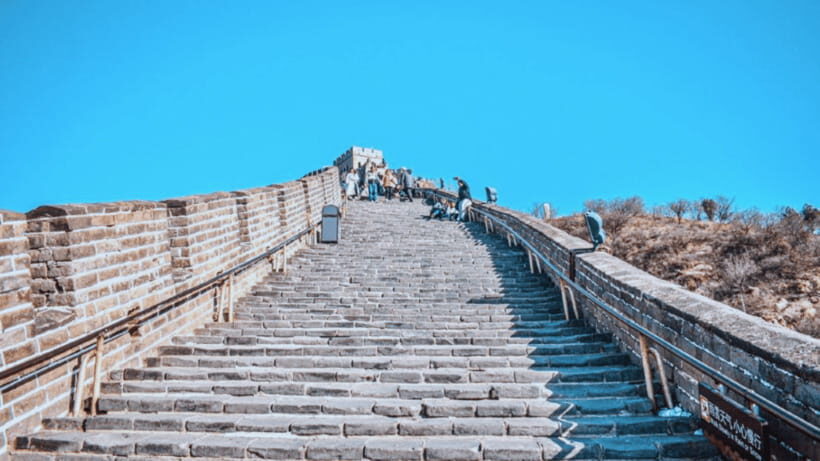
If you’re aiming to see the Great Wall without guessing, Badaling is a smart choice. This is one of the most important stretches—an outpost tied to Juyongguan—and it’s also known for steepness and striking scenery. The wall here is part of a UNESCO World Heritage Site, so you’re not just viewing a landmark; you’re walking through a protected historic corridor.
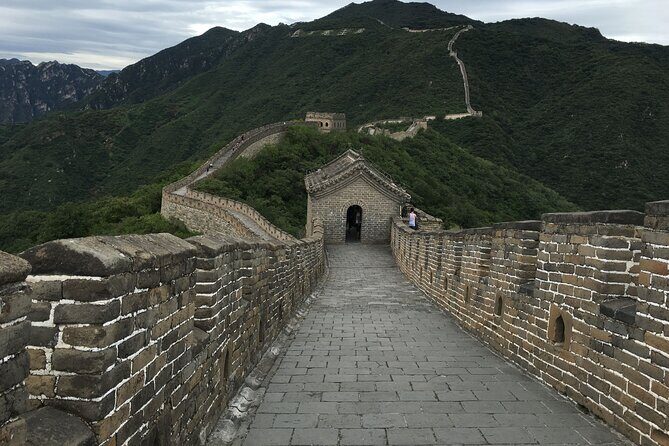
What I like best is that Badaling turns the Great Wall into something you can actually measure with your eyes. The wall at Badaling is typically 7.8 meters high and 6.5 to 7.5 meters wide at the base, narrowing to 4.5 to 5.8 meters at the top. That trapezoid shape wasn’t decorative. It’s practical—built for stability—so when you see it up close, the design makes instant sense.
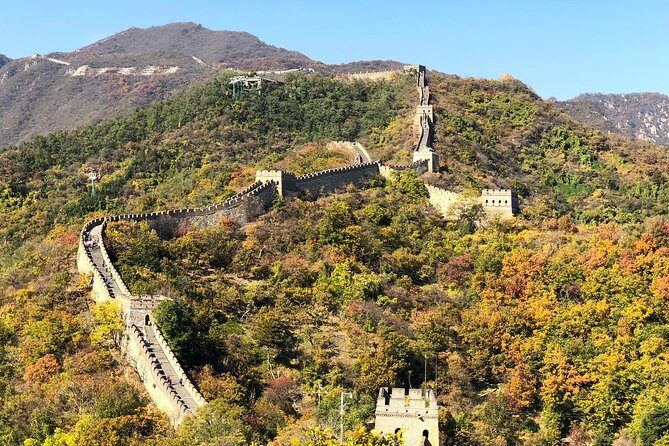
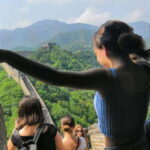
Another plus: the setting is part of the show. The wall winds across rugged peaks like a line drawn by a ruler through cliffs. And because the park changes with the seasons—flowers in spring, green in summer, color in autumn, snow in winter—you’re more likely to get a view that matches your travel month instead of a single generic “wall day.”
You can also read our reviews of more tours and experiences in Beijing


Where You Start: The North Entrance at Jundushan
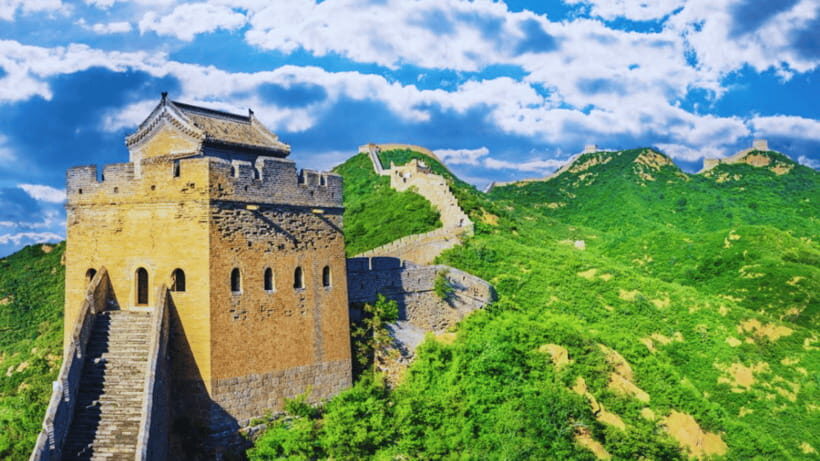
Your day begins at the Badaling entrance near Jundushan in Yanqing District. Specifically, it’s described as being at the north entrance of the mountain pass. That matters because Badaling’s layout is built around the pass and the approaches to the fortifications.
Once you arrive, the entry is straightforward: you show your ticket to the staff at the designated entrance. There’s no “mystery check-in.” You’re basically joining the flow of visitors headed toward the wall corridor and nearby historic areas.
This is also a great place to get your bearings. Early on, take a few minutes to look at the gates and the way the wall threads through the terrain. It makes later views feel more logical instead of random. And trust me, the Great Wall has a way of making you feel like you should have brought more time.
Timing That Actually Works: Morning vs Afternoon Sessions
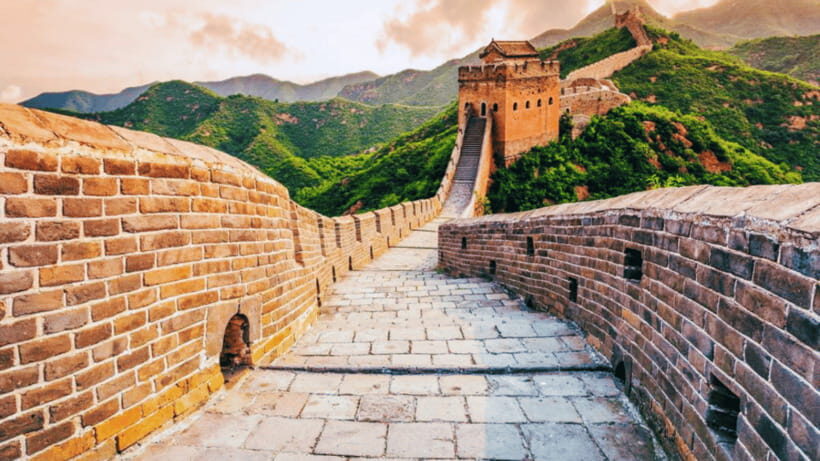
Badaling runs in two sessions, which helps you avoid arriving at the wrong moment and stressing. The park sessions are:
- Morning: 6:30 AM to 12:30 PM
- Afternoon: 12:31 PM to 4:30 PM
If you can, I usually lean toward morning for one reason: the wall feels more forgiving when you’re not fighting late-day crowds and light. Plus, the available cable options start earlier in the morning.
Cable timings differ too:
- Northern aerial cableway operates from 6:30 AM
- Southern ground cable car operates from 9:00 AM
Even if you plan to walk most of it, knowing these times helps you decide where you might save energy. For example, if your legs are already tired, you can plan a route that includes a cable-assisted section at the right moment.
Walking the Wall: The Climb Is Real (Here’s the Math)
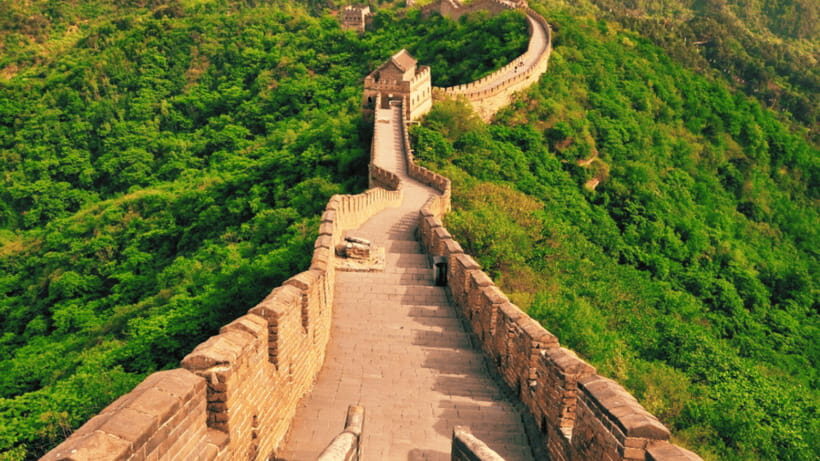
Let’s talk about the physics. Badaling’s wall section from the pass to the South Fourth Tower stretches over 1600 meters and rises about 127 meters. That’s not just a “slight uphill.” It’s the kind of gradient where you feel your breathing change if you go too fast.
The key detail that makes this easier to understand is the relationship between distance and height: every 6 meters of wall length brings roughly a 1-meter rise. So if you start pushing uphill early without pacing, the effort stacks up quickly.
Here’s how I’d use that info to plan your day:
- If you want the full wow factor, pick a target tower or segment and walk at a steady pace, not a sprint.
- If you’re trying to keep it comfortable, choose an out-and-back plan so you’re not forced to rush the descent.
- If the day is hot or you’re traveling with anyone who gets tired fast, you’ll want to build in an energy-saving option.
The best advice I can give is simple: you don’t need to conquer the entire wall to feel like you saw the Great Wall. Even a shorter stretch gives you scale, texture, and those long mountain views that make Badaling famous.
East and West Gates: Juyong Outpost and Northern Gate Key
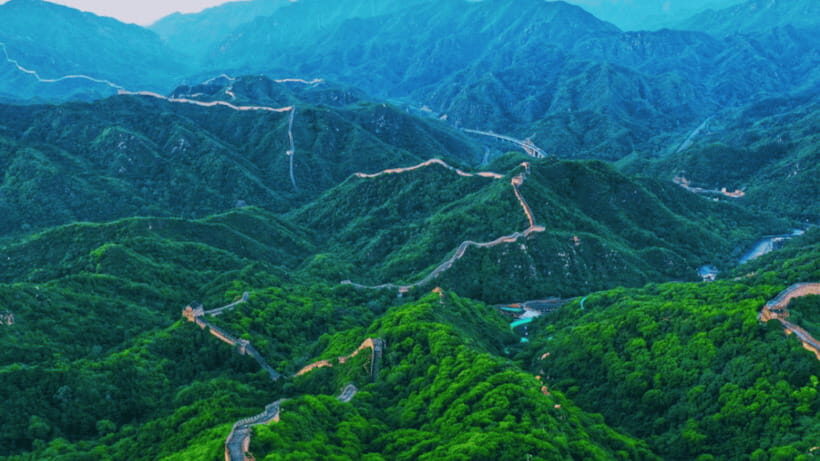
One reason Badaling feels memorable is how the fortification is structured. Badaling includes east and west gates, each with stone and brick structures and a platform connecting the wall. Those gates give you visual landmarks as you walk and help you orient yourself when you’re facing the wall’s twists and turns.
The east gate reads Juyong Outpost, and the west gate is inscribed Northern Gate Key. Standing near these, you’ll notice the wall isn’t just a walkway. It’s part of a defensible system—designed around control points, entrances, and movement between towers and sections.
If you’re a “look up and read everything” person, this is a good match. If you’re more of a “walk and feel it” person, these gates still help. They break the wall into chunks so your brain can track progress instead of getting lost in a single long stretch of stone.



What the Historical Exhibits Add (So You Don’t Just Take Photos)
This ticket includes access to historical exhibits, which is the piece that turns a great view into a meaningful visit. Without some context, the Great Wall can feel like a scenic hike that happens to be old.
With the exhibits, you can connect what you’re seeing to how the wall evolved. Badaling was constructed in 1505 during the Ming Dynasty and later reinforced in the Jiajing and Wanli periods. That’s useful because it reminds you the Great Wall wasn’t a one-time build with a permanent blueprint. It was improved over time, strengthened, and adapted as needs changed.
Even if you don’t spend hours reading every display, a quick pass helps you “see” the wall differently while you walk—less like a single monument and more like an engineered defense system layered across centuries.
Views by Season: Plan for Weather, Not Just Scenery
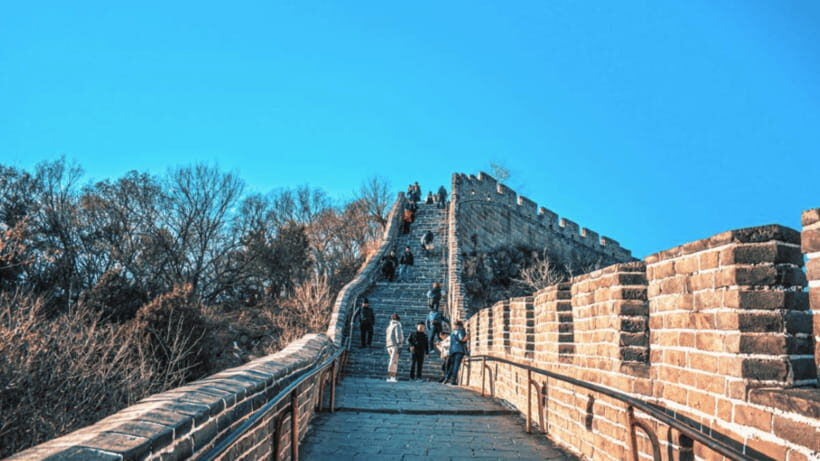
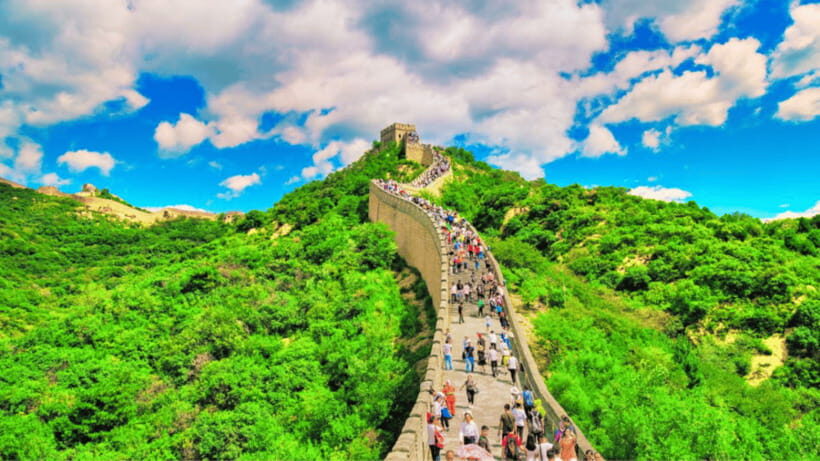
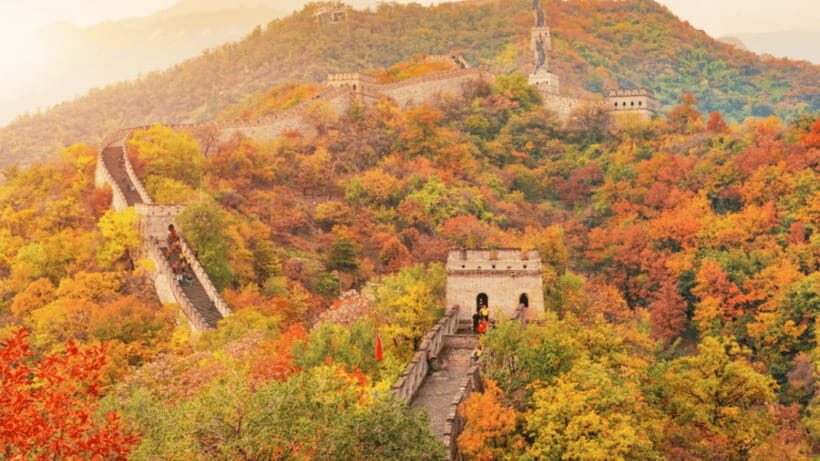
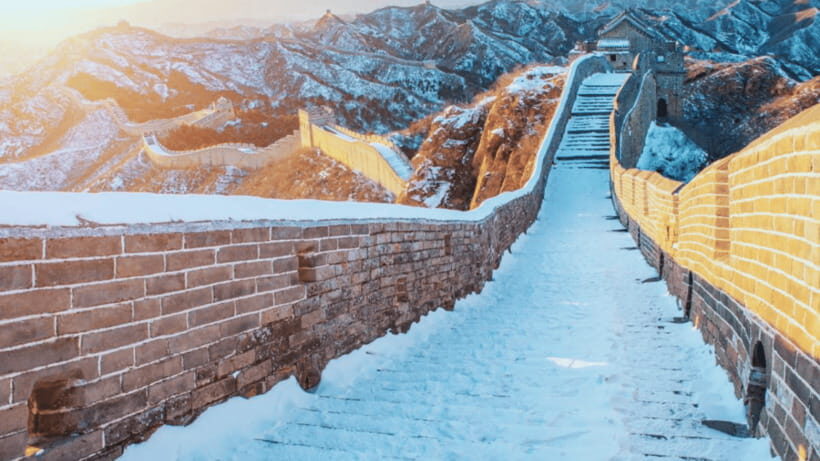
Badaling changes character across the year, and that affects your experience more than people expect. The scenery shifts with the seasons:
- Spring: blooming flowers
- Summer: lush greenery
- Autumn: colorful foliage
- Winter: snow-covered scenery
You can use this in a practical way. If you’re visiting in warmer months, start early so you’re not dealing with peak heat during the steep climb. In winter, plan for colder air and icy footing on stone steps. The wall is sturdy, but your shoes still have a big job to do.
And here’s a small but real tip: when the sky is clear, you’ll see more of that “wall across mountains like a dragon” effect. When it’s hazy, the wall still looks impressive, but your views will feel flatter. So if you have flexibility, check the weather before you commit to the day’s hiking effort.
Cable Car and Slideway Options: Use Them Strategically
Cable cars and the slideway cost extra. They’re not included in the ticket, so you’ll need to pay separately if you want them. Still, they’re a smart tool if you want to see more wall without burning the entire day in climbing.
One practical way to think about it:
- If you want a lighter workload, use the cableway for one section and walk another.
- If you want the full experience, walk most of it so you can feel the wall’s steepness, tower spacing, and terrain challenges.
A strong piece of advice I’ve picked up from experienced visitors is that you really should walk when you can. The scale hits harder on foot. You notice the changes in elevation and the wall’s narrowing shape in a way you don’t get from a ride. If your goal is to understand the Great Wall as a physical structure, walking is the fastest path.
Value and Price: Why $13 Can Make Sense
At $13 per person, this is not priced like a luxury tour. You’re basically paying for access: admission plus scenic views and entry to historical exhibits. That’s why it can be good value—this isn’t asking you to pay for a lot of guide time.
It’s also valuable if you’ve ever struggled with ticketing. Getting tickets in advance can be difficult for foreigners, so a ticket solution that works smoothly matters. The practical result is you spend more of your trip time on the wall and less time stuck in ticket hurdles.
That said, “admission ticket” value depends on your expectations. If you want a guided narration that tells you what to see minute by minute, you’ll need to add a guide or audio plan elsewhere. If you’re happy to explore, read a bit, and take your time pacing the climb, the price feels more than fair.
What to Bring (And What to Leave Behind)
This experience is built around fast entry, so pack for the wall, not the hotel.
Bring:
- Passport (required)
Not allowed:
- Pets
- Weapons or sharp objects
- Explosive substances
That list is typical for secure attractions, but it’s still worth checking before you arrive. For the rest of your comfort, I’d also plan for the basics that make stone steps tolerable: water, sun protection, and shoes with decent grip. (The ticket itself doesn’t mention clothing, but your feet will thank you.)
Also, because the process requires correct passport info, double-check spelling. You’ll want your full name exactly as shown on your passport to avoid delays.
Booking Details You Must Get Right (QR Isn’t the Plan)
Here’s the one part that can catch people off guard: the GetYourGuide QR code isn’t valid for this experience.
Instead, you’re asked to communicate directly with the provider via WhatsApp or email at [email protected], or to wait for the confirmation email. You’ll need to send:
- your full name as it appears on your passport
- your passport number
If the passport name and number aren’t received on time, the booking can be canceled, and a cancellation fee may apply. So don’t wait until the last minute. I’d treat this like passport check-in for a flight: do it early, confirm it, then breathe.
Once that part is sorted, entry is simple—show your ticket to staff at the Badaling entrance and head toward the wall corridor.
Who This Ticket Is Best For
This ticket works well for travelers who:
- want a straightforward admission without a guided tour
- like planning their own walk pace
- want access to historical exhibits alongside the wall views
- can handle a steep hike and/or plan cable usage if needed
It’s also listed as wheelchair accessible. If that’s important for you, plan your route around where you can realistically move during the park hours and consider whether you’ll need help managing stairs or uneven stone steps.
If you’re traveling with kids or anyone who dislikes long climbs, you’ll likely want to plan for cable car segments. If you’re the type who enjoys taking your time and reading as you go, Badaling is a great pick.
Should You Book This Badaling Great Wall Admission Ticket?
If your goal is one strong, classic Great Wall day, I think this is a solid booking choice—especially because the price is low and the access includes exhibits.
Book it if:
- you want admission + exhibits with the option to choose how much you hike
- you want to avoid last-minute ticket stress
- you’re willing to handle the non-QR booking step by sending your passport details early
Skip or rethink it if:
- you need a full guided tour experience with narration
- you don’t have the patience to complete the passport-info step before entry
- you’re hoping cable cars are included in the price (they’re extra)
Bottom line: once you’re inside Badaling, you’ll get what you came for—historic towers, rugged terrain, and that jaw-dropping sense of scale as the wall stretches over the mountains.
FAQ
Where is the Badaling Great Wall entrance for this ticket?
Badaling Great Wall is located in Yanqing District, Beijing, at the north entrance of the ancient mountain pass, Jundushan.
How much is the admission ticket?
The price is listed as $13 per person.
How long is the ticket valid?
The ticket is valid for 1 day.
Are guided tours included?
No. This includes admission and access to historical exhibits, but guided tours are not included.
What times does the park operate?
The park operates in two sessions: Morning from 6:30 AM to 12:30 PM, and Afternoon from 12:31 PM to 4:30 PM.
When do the cable options start?
The northern aerial cableway operates from 6:30 AM, and the southern ground cable car operates from 9:00 AM.
Is the cable car or slideway included in the price?
No. Cable car or slideway usage requires an additional fee.
What do I need to bring to enter?
You need to bring your passport.
What info is required to complete the booking?
You need to send your full name as it appears on your passport and your passport number. If they’re not received on time, the booking may be canceled and a cancellation fee may apply.
Can I cancel?
Free cancellation is available up to 24 hours in advance for a full refund.