REVIEW · BEIJING
Traditional Chinese Tea Ceremony Experience
Book on GetYourGuide →Operated by Hutong Calligraphy · Bookable on GetYourGuide
Tea time can be a skill.
This Beijing-area traditional Chinese tea ceremony turns tasting into a lesson, with a friendly tea master showing each step with intention. I especially like the hands-on rhythm of warming teaware, smelling the leaves, and learning steeping timing, and I like how the English explanations make it feel understandable, not just ceremonial. One consideration: no full tour guide and transportation aren’t included, so you’ll want to be clear on the meeting point and how you’re getting there.
You also get a real cultural vibe—respect, harmony, and mindfulness—without it feeling preachy. The ceremony is designed to slow you down and teach you what to notice, not just what to drink. Also, it’s not for everyone: it’s not suitable for children under 7 and it’s not suitable for pregnant women.
In This Review
- Key things I’d bet on in advance
- A Chinese tea ceremony is less about drinking and more about noticing
- The ritual flow: warming teaware, smelling leaves, steeping on purpose
- Your tasting lineup in Beijing: oolong, pu-erh, green, jasmine, flower tea
- Meeting your English-speaking tea master: names you might hear
- Price and value: what $9 buys in real terms
- Who should book, and who should skip
- After the ceremony: buying tea to take home (or not)
- Calligraphy might be part of the package through Hutong Calligraphy
- Logistics that actually matter: meeting point, pacing, and group size
- Should you book this Beijing tea ceremony?
- FAQ
- How long does the tea ceremony take?
- How much does it cost?
- What’s included in the experience?
- What teas will I taste?
- Is transportation included?
- Do I need a tour guide?
- Is the ceremony in English?
- Can I buy tea after the ceremony?
- Is it suitable for kids?
- What’s the cancellation policy?
Key things I’d bet on in advance
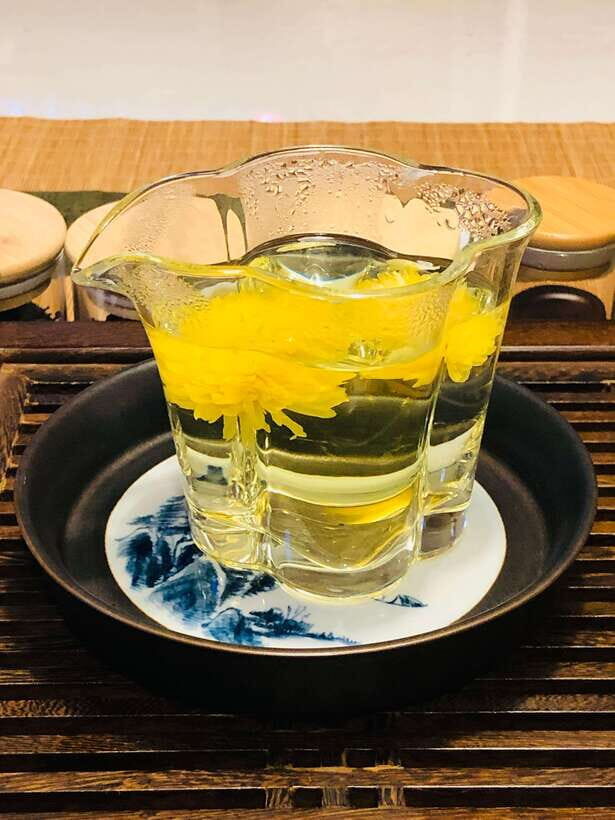
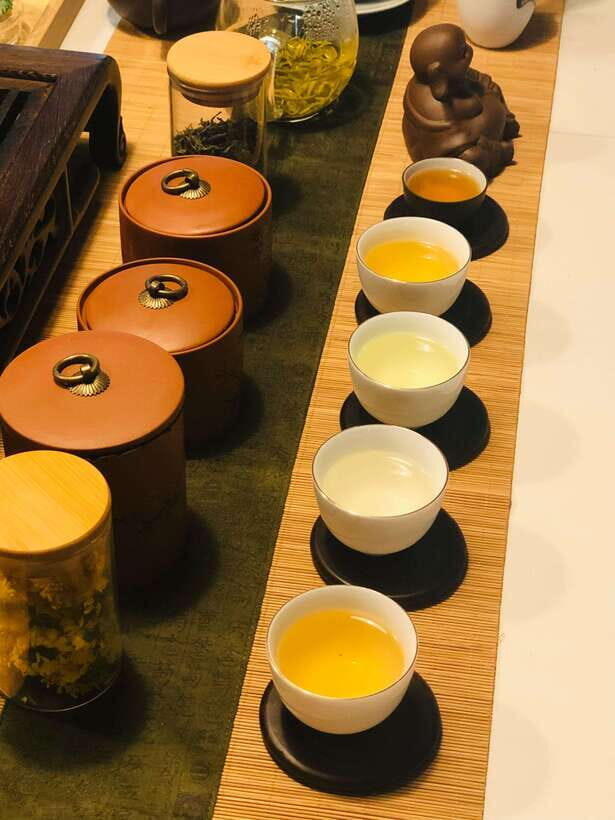
- 5 mini cups tea are included, so you’ll taste more than one style without overcommitting
- Oolong, Pu-erh, green tea, jasmine tea, and flower tea are part of the tasting set
- English-speaking hosting means you can actually ask what you’re tasting
- The steps focus on water temperature and steeping time, not just pouring politely
- You have an optional chance for tea shopping after the ceremony
- Some sessions may include calligraphy through Hutong Calligraphy, depending on your booking
A Chinese tea ceremony is less about drinking and more about noticing
China is where tea culture truly got rolling, and this ceremony in Beijing is built around that idea: you’re practicing appreciation. You’re not rushing through cups. Instead, you’re learning how the process changes the flavor—how the same leaves can taste different depending on temperature, timing, and even how the tea is poured.
What you’ll feel, fast, is that tea isn’t just a beverage. The ritual treats each motion like it matters. Warming the teapot first isn’t busywork; it helps set up the brew. Smelling the leaves isn’t optional; it’s often where you pick up the teas’ character before you even sip.
Also, the tea master approach is practical. They’ll show you what to look for and what to remember. That’s why it works well even if you’re not a tea nerd—you leave with a checklist for enjoying tea at home.
You can also read our reviews of more tours and experiences in Beijing.

The ritual flow: warming teaware, smelling leaves, steeping on purpose
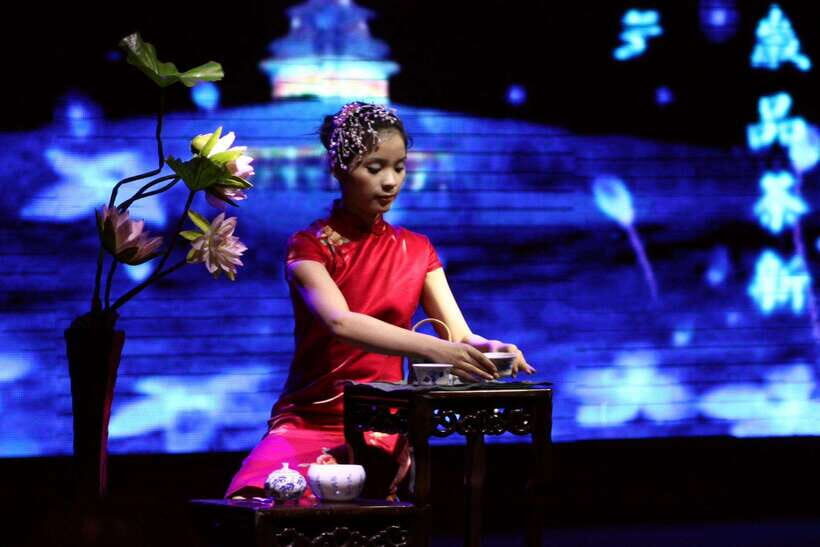
Expect a guided ceremony with clear steps. Even if your group is small, the tea master will slow everything down so you can follow along.
Here’s the basic rhythm you’ll experience:
- You’ll start with a greeting and an explanation of the ceremony mindset—respect, harmony, mindfulness—then you’ll move into the craft.
- You’ll see teaware get warmed. This matters because it helps the tea brew more evenly from the first seconds.
- You’ll smell high-quality tea leaves. This is where the experience gets surprisingly educational. Aroma cues you into what the tea is likely to taste like.
- You’ll learn about the proper water temperature. Different teas want different heat levels, and that affects bitterness and sweetness.
- You’ll learn steeping timing, so you can understand why one cup tastes lighter while another tastes stronger.
- You’ll pour and taste, paying attention to sight, smell, and flavor in sequence.
One of my favorite parts is that the ceremony makes you do micro-attention. You’re not just holding a cup; you’re watching the color, noticing aroma changes, and timing your own impressions. It’s the kind of calm that’s rare in a city schedule.
Your tasting lineup in Beijing: oolong, pu-erh, green, jasmine, flower tea
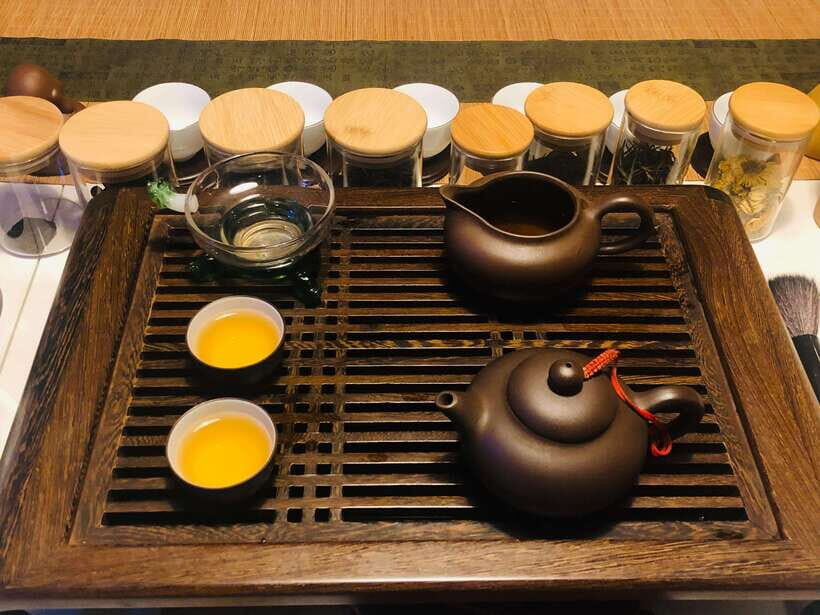
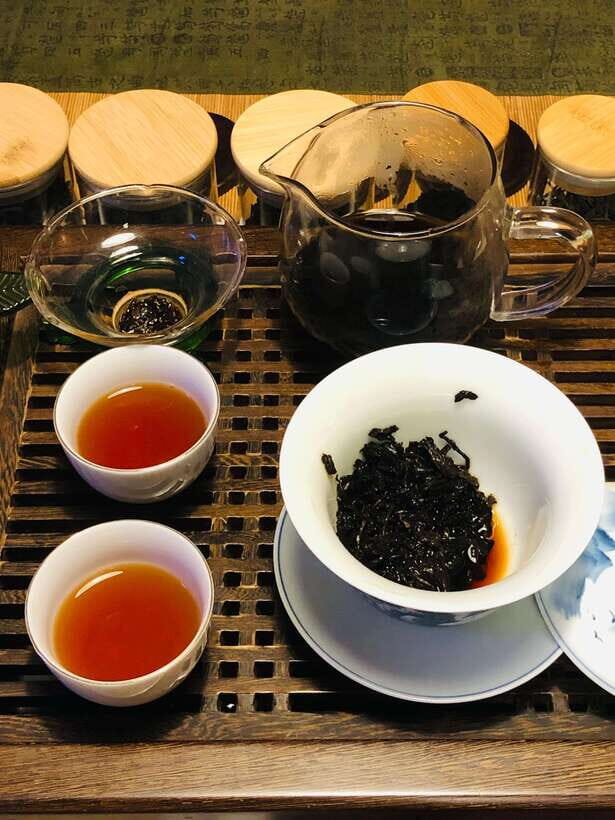
The ceremony isn’t about one signature tea. You’ll taste various types of tea, including Oolong, Pu-erh, green tea, jasmine tea, and flower tea. That variety is what turns this from a nice show into a useful education.
How to think about the tasting:
- Oolong tends to show complexity. You’re likely to notice aroma shifts as you steep.
- Pu-erh often feels earthy and deep. Timing matters here so you don’t get one-note heaviness.
- Green tea is usually about freshness and balance. Water temperature is key so it doesn’t go sharp.
- Jasmine tea pairs tea leaves with flower fragrance. When it’s done well, the floral note feels integrated, not like perfume.
- Flower tea leans into scent and appearance. You’ll pay attention to the visual and aromatic side as much as the sip.
Even if you can’t name what you’re tasting, you’ll learn what variables to blame when a cup tastes off. Was the water too hot? Was the steep too long? Did the pouring change how the brew released its character? The tea master demonstrates this with intention, so you can connect causes to results.
Meeting your English-speaking tea master: names you might hear
The hosting is English, which is a huge deal for this kind of experience. When you can ask questions and get answers, tea tasting turns from theater into understanding.
From the experience, you may meet tea masters and hosts such as Richard (including Richard Li), Kostya, and Feye. People also reference the friendly, patient tone of the host while explaining techniques step-by-step.
How I’d use that advantage: ask simple, direct questions as you go. For example:
- What makes this tea respond differently to water temperature?
- Why does steeping time change the taste?
- What aroma should I notice first in this tea?
You’ll get better at tasting faster than you expect.
Price and value: what $9 buys in real terms
At $9 per person, the value is about education per minute. You’re not paying for a long sightseeing route. You’re paying for a tea master to guide you through technique, plus you get five mini cups included.
That’s the key: five mini cups means you can explore without committing to one tea for hours. It also keeps the experience from turning into a single-note tasting session.
What’s not included matters too:
- No transportation is included, so you’ll handle getting yourself to the meeting point.
- Shopping expenses aren’t included. You can purchase tea afterward if you want, but you’re not required to.
- There’s no tour guide included in the classic sense. You’ll be hosted, and you’ll get explanations, but don’t expect a full multi-stop guided tour with narration across major sites.
Think of this as a focused skill lesson—one that can add a lot to your Beijing memories for a small price tag.




Who should book, and who should skip
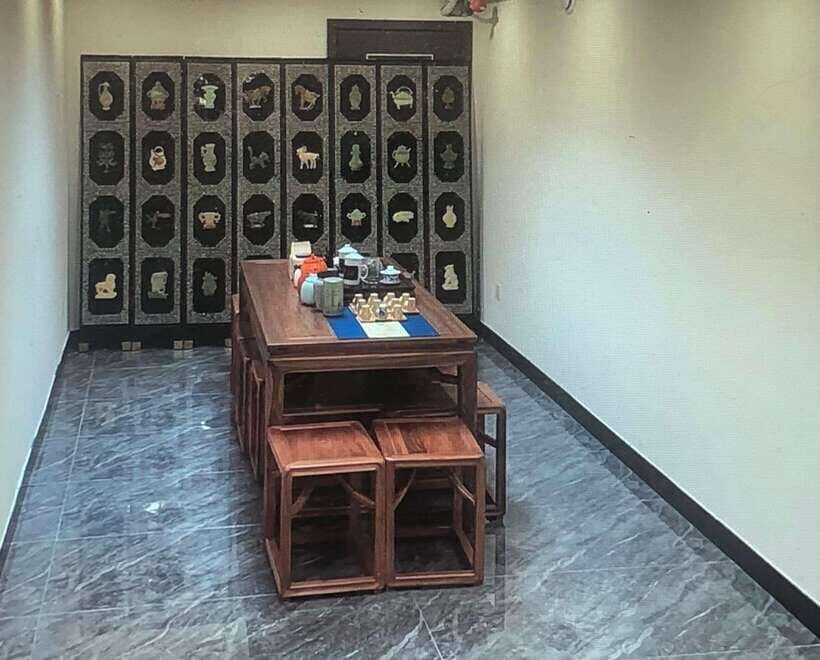
This is a great fit if you want a calm cultural activity that doesn’t require museum endurance. It’s also been a hit with older kids—there are mentions of children around 10 and 13 enjoying the activity.
But it’s not suitable for children under 7. It’s also not suitable for pregnant women. If either applies, it’s better to choose a different Beijing experience.
As for timing, the duration can range from 30 minutes to 3 hours, depending on the session and how the tea master paces the tasting and explanations. If you’re visiting Beijing and want something lighter than a full-day plan, this flexibility helps you fit it around other stops.
After the ceremony: buying tea to take home (or not)
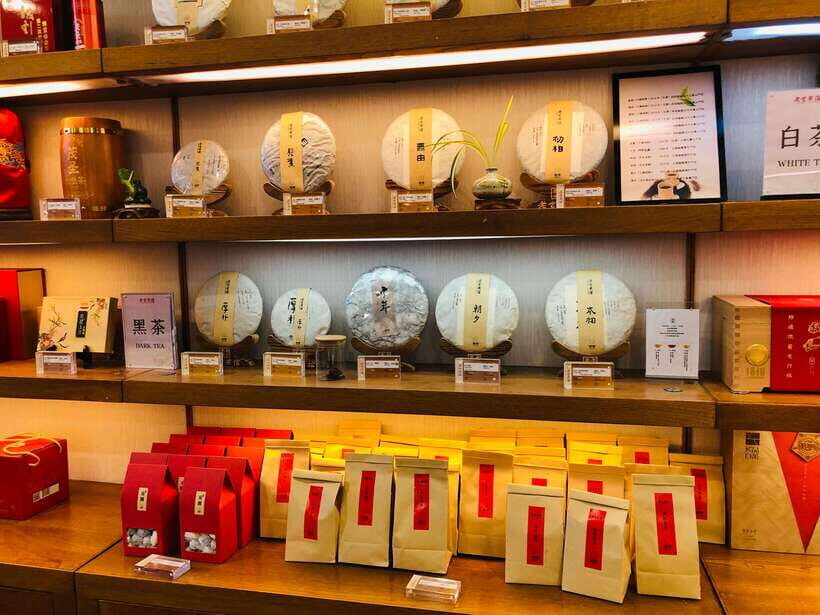
You’ll have the option to purchase tea afterward. This is where many people decide whether they just liked the taste—or whether they want to reproduce the experience later.
A practical approach:
- Taste first, then ask what the tea is best for at home (especially about water temperature and steeping timing).
- If you’re unsure, buy less and choose one style you truly enjoyed.
- Consider whether you want something for everyday sipping or something that feels special for gifting.
Shopping expenses are at your own cost. Some people also mention picking up tea with guidance during the exit portion, which can make the purchasing feel less random.
Calligraphy might be part of the package through Hutong Calligraphy
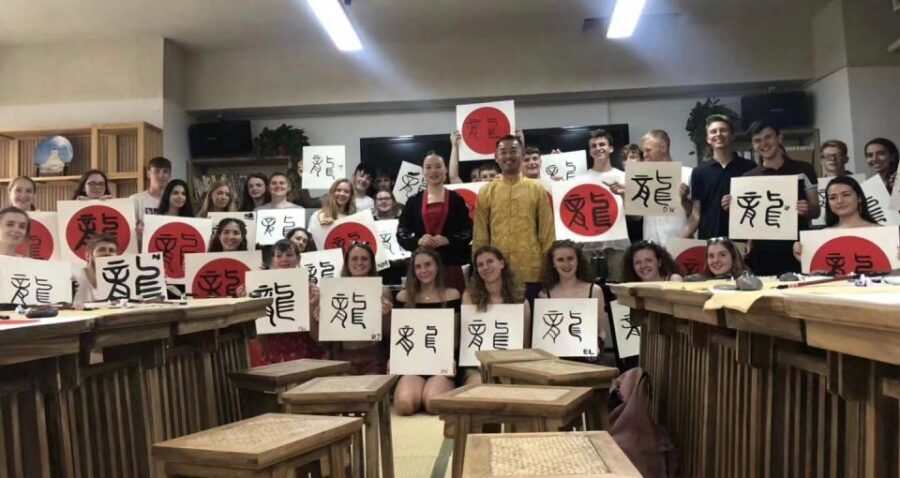
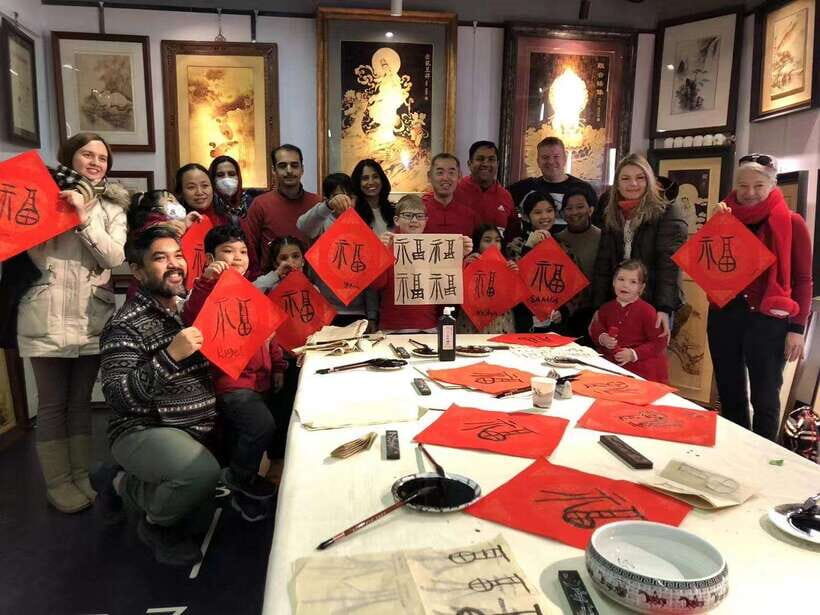
Your experience provider is Hutong Calligraphy, and some sessions are described as including calligraphy after the tea ceremony. People have mentioned calligraphy being a standout part of their afternoon, and it even worked for people with no prior brush experience.
That said, the included items list focuses on the tea ceremony and five mini cups. So I’d treat calligraphy as a potential add-on or paired activity rather than a guaranteed part of every booking. When you confirm your schedule, check whether calligraphy is included in your option.
If it is, you’ll get a nice contrast: tea teaches you to slow down and taste detail; calligraphy asks you to slow down and shape motion with care.
Logistics that actually matter: meeting point, pacing, and group size
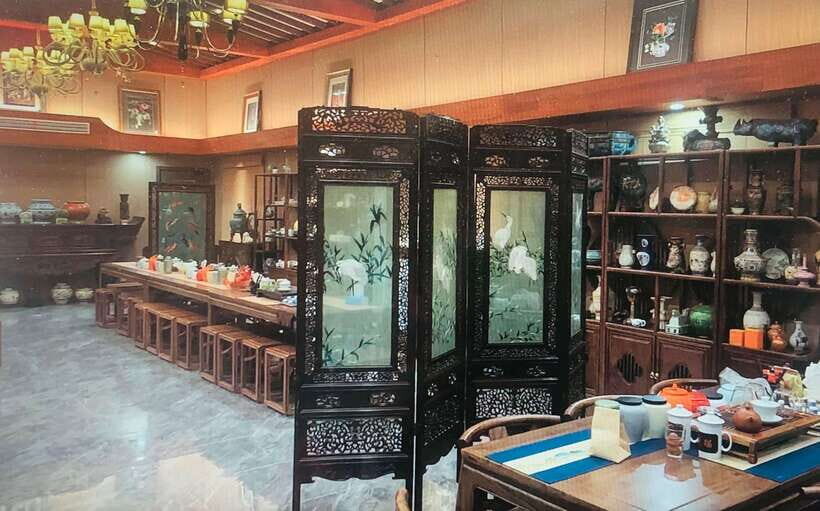
Here’s the practical truth: meeting points can vary based on which option you book. The host or greeter speaks English, and you’ll be guided back to the meeting point after the ceremony.
Transportation isn’t included. Some people describe help with getting from nearby public transit, but that isn’t something you should assume every time. Build your plan so you can arrive without relying on a pickup.
Because the ceremony can run anywhere from 30 minutes to 3 hours, treat it like a flexible block. If your day is tight, choose a shorter session. If you want a relaxed cultural reset, choose the longer option.
Also, if you book, you’ll be asked to leave a WhatsApp number. That’s there for quick coordination, not to bother you—so make sure it’s active.
Should you book this Beijing tea ceremony?
I think you should book it if you want a hands-on cultural experience that teaches real technique: smell the leaves, learn temperature, understand steeping time, and taste multiple types in one sitting. For the price of $9, getting five mini cups plus guided explanations is hard to beat.
Skip it if you’re looking for a big sightseeing day with lots of stops, or if you need included transportation. And if you’re under 7 (or if you’re pregnant), this one isn’t listed as suitable, so don’t force it.
If you want a calm, skill-building afternoon that connects nature and craft in a way that actually sticks, this is an easy yes.
FAQ
How long does the tea ceremony take?
The duration can be 30 minutes to 3 hours, depending on the starting times and the session pace.
How much does it cost?
It’s listed at $9 per person.
What’s included in the experience?
You get the tea ceremony plus 5 mini cups of tea.
What teas will I taste?
You’ll taste multiple types of tea, including Oolong, Pu-erh, green tea, jasmine tea, and flower tea.
Is transportation included?
No. Transportation is not included.
Do I need a tour guide?
A full tour guide is not included. You’ll have an English-speaking host or greeter for the ceremony.
Is the ceremony in English?
Yes, the host or greeter is listed as speaking English.
Can I buy tea after the ceremony?
Yes, you have the option to purchase tea after the ceremony, and shopping expenses are at your own cost.
Is it suitable for kids?
It’s not suitable for children under 7.
What’s the cancellation policy?
You can cancel up to 24 hours in advance for a full refund, and you can use reserve now & pay later to keep plans flexible.