REVIEW · BEIJING
Private China Tour to Beijing, Xi’an, Zhangjiajie and Shanghai
Book on Viator →Operated by Travel China Guide · Bookable on Viator
Beijing to Shanghai, all in one smooth run. This private 11-day route strings together the Great Wall, the Forbidden City, the Terracotta Army, and Zhangjiajie’s otherworldly cliffs. Add in rickshaws in old Beijing and a Shanghai river cruise, and you get variety without planning stress.
Two things I especially like: you’re guided door-to-door with an air-conditioned vehicle, and the itinerary targets the big “you came all this way for this” sights with tickets handled. The main drawback to consider is physical pace—expect stairs and long walks, especially on the Great Wall and Tianmen Mountain.
Key points to know before you go
- Private group touring: only your party participates, so your guide can pace to you
- Big-hitter sights with tickets included: Forbidden City, Terracotta Warriors, Badaling Wall, and more
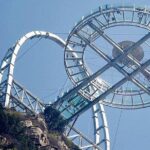
- Zhangjiajie views that look like a movie set: Southern Sky Column tied to Avatar, plus a glass bridge experience
- Carefully sequenced city transfers: high-speed train into Xi’an and flights onward to Zhangjiajie and Shanghai
- Practical inclusions: breakfasts, some lunches, bottled water daily, and mobile tickets for attraction entry
In This Review
- A smart route through China’s four most memorable cities
- Day 1 in Beijing: airport meet-up and a fast start
- Tiananmen Square and the Forbidden City: the imperial core, paced by a guide
- Rickshaw through Hutongs, then Temple of Heaven: old Beijing in two moods
- Badaling Great Wall plus Ming Tombs: big views and a quieter kind of awe
- Summer Palace, then high-speed train to Xi’an: a switch from gardens to ancient streets
- Terracotta Warriors and the Small Wild Goose Pagoda: Xi’an’s must-see spine
- City Wall, Great Mosque, and Muslim Quarter: the everyday Xi’an breaks in
- Flying to Zhangjiajie and then disappearing into the clouds
- Zhangjiajie National Forest Park: Bailong Elevator, Yuanjiajie, and Southern Sky Column
- Grand Canyon of Zhangjiajie and Golden Whip Brook: a scenic hike that still has structure
- Tianmen Mountain National Forest Park: the 999 stairs moment
- Shanghai Urban Planning Exhibition Hall, Yu Garden, and the Bund: old charm plus city ambition
- Getting your money’s worth: tickets, meals, water, and mobile entry
- Price and logistics: how $2,999 can be good value for this exact route
- Practical tips that make this kind of China trip easier
- Who should book this tour (and who should rethink it)
- Should you book this private China tour?
- FAQ
- What’s included in the tour price?
- Is this tour private or shared with other people?
- Are attraction tickets handled for you?
- What about meals and vegetarian food?
- Do I need to bring my passport details?
- Where does the tour start and what time?
- Is the tour suitable for older travelers?
A smart route through China’s four most memorable cities
This tour is built for people who want the highlights across Beijing, Xi’an, Zhangjiajie, and Shanghai without wasting days figuring out transit, tickets, and timing. You’ll start in Beijing with the imperial core, move west to Xi’an for China’s ancient “must-see” site, then head south-east to Zhangjiajie for dramatic terrain, and finish in Shanghai where old meets modern.
What makes the approach feel efficient is the way it groups experiences by theme. Beijing is about empires and courtyards. Xi’an is about dynasties and everyday local life. Zhangjiajie is all scenery and viewpoints. Shanghai is about city identity—then riverside and neighborhood texture.
This kind of trip is also where private touring pays off. You’re not squeezed into a big bus rhythm. You’ve got a professional guide and an experienced driver moving you in a comfortable vehicle, which matters on a multi-stop itinerary like this.
Day 1 in Beijing: airport meet-up and a fast start
On arrival, your guide meets you after you clear customs and reclaim luggage at Beijing Airport. A driver then transports you to the hotel and helps with check-in. That “meeting on arrival” piece sounds basic, but it’s a real quality-of-life upgrade—especially if you arrive tired or your flight lands at an awkward time.
You also get two practical benefits right away:
- you’re not negotiating public transit with jet lag
- you’re not trying to locate the right subway line while hungry
If you’re someone who likes to hit the ground running, this start style fits you.
You can also read our reviews of more private tours in Beijing
Tiananmen Square and the Forbidden City: the imperial core, paced by a guide
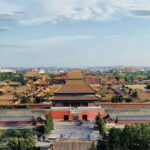
Tiananmen Square is the giant stage of Beijing. You’ll spend time seeing the scale of what’s often described as the biggest urban city square in the world. It’s short on time in your schedule, but big on visual impact.
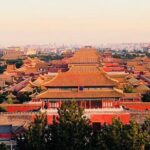
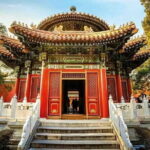
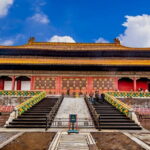
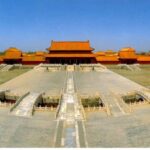
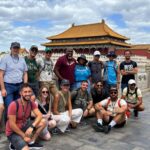
Then comes the Forbidden City (Palace Museum). The guide takes you into the imperial palace complex and you explore the halls and pavilions where the emperor handled political affairs. With admission included, you’ll avoid the common hassle of deciding when and how to get in.
What I like here is that this isn’t just “walk, take photos, leave.” You’re guided through the meaning of what you’re seeing—how the palace functioned, not only what it looks like. You’ll finish this day with a stronger mental map than if you visited on your own.
Practical consideration: the Forbidden City is huge. Even when admission is handled, you’ll still want comfortable shoes and a willingness to walk more than you think you will.
Rickshaw through Hutongs, then Temple of Heaven: old Beijing in two moods
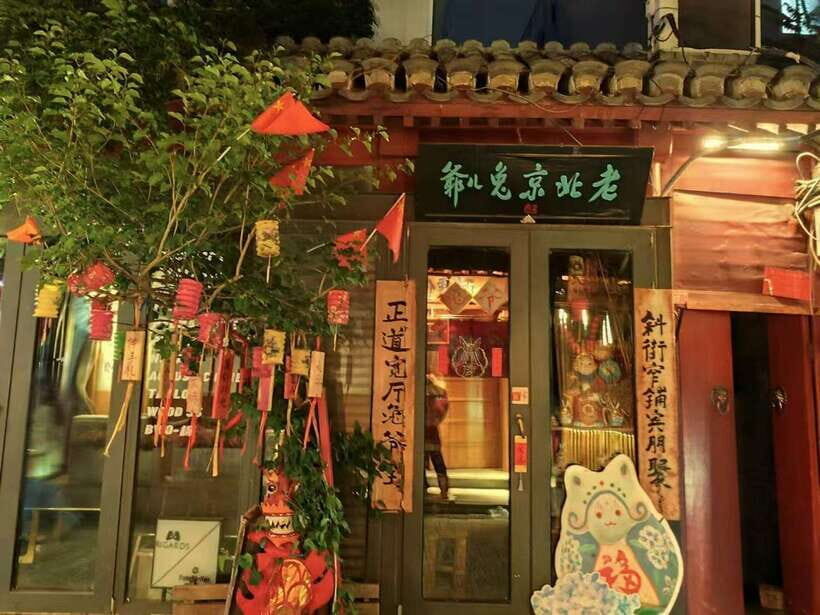
After the palace area, you shift into older Beijing with a Hutong tour around Shichahai. The highlight here is the rickshaw ride along traditional alleys, about 40 minutes. That ride matters because it shows you the city’s “human scale”—narrow lanes, local rhythms, and a sense of how neighborhoods are laid out.
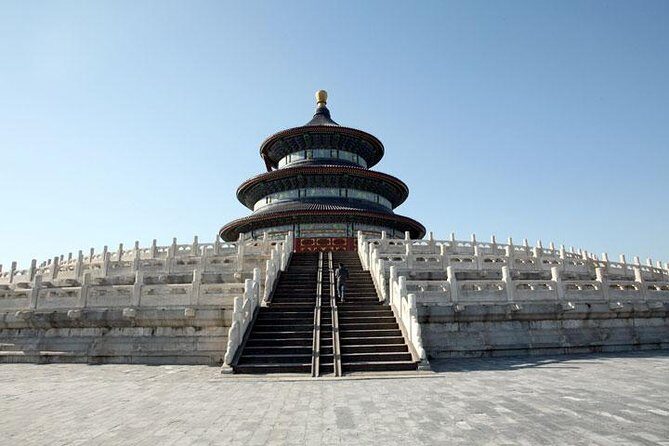
Then you visit the Temple of Heaven, originally the place where emperors worshipped the God of Heaven in the Ming and Qing dynasties. This stop gives you contrast. The palace is governance and power. The Temple of Heaven is ritual and worldview.
Both have admission included, so you can spend your energy on the experience rather than on logistics.
If you’re the type who likes texture—doorways, courtyard life, street patterns—this pairing is a strong choice. It’s not only monuments; it’s how people historically lived and how they organized belief.
Badaling Great Wall plus Ming Tombs: big views and a quieter kind of awe
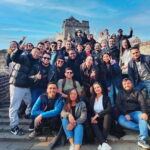
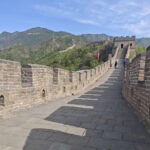
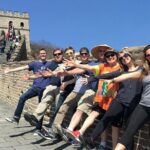
The Great Wall at Badaling is a centerpiece. You’ll head out in the morning and experience the wall firsthand, with time to stand on it and look along the line stretching into distance. The key value here is perspective: from the wall, the scale becomes real, and you understand why this site has such gravity in Chinese history.
You also add the Ming Tombs, including highlights like the Sacred Way and the Dingling Tomb. This is a different flavor than the Wall. The Wall is engineering and defense across space. The tomb area is about imperial afterlife, procession, and ceremony carved into stone.
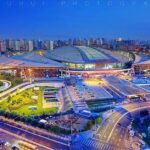
A small but useful bonus: on the return, you pass the Bird’s Nest (National Stadium) for photos. It’s brief, but it helps anchor the modern Beijing landmarks to your wider “old empire to present city” journey.
Physical note: this day can be walking-heavy, and the ground can be uneven. If you have mobility limits, plan to go slowly and take breaks when your body asks for them.
Summer Palace, then high-speed train to Xi’an: a switch from gardens to ancient streets
Day 4 starts with the Summer Palace (Yiheyuan), described in your plan as the largest existing imperial garden with graceful landscape and magnificent constructions. You get about two hours here, which is long enough to enjoy the main areas without rushing like a checklist.
Then it’s time to move west by high-speed train to Xi’an. Your Xi’an guide and driver pick you up at the railway station and take you to your hotel for check-in. This train transfer is a major value point of the itinerary. It saves time versus long-haul road travel and reduces the fatigue of constant airport waits.
If you’re trying to see four cities in 11 days, these travel transitions are not “extra.” They’re what make the pace reasonable.
Terracotta Warriors and the Small Wild Goose Pagoda: Xi’an’s must-see spine
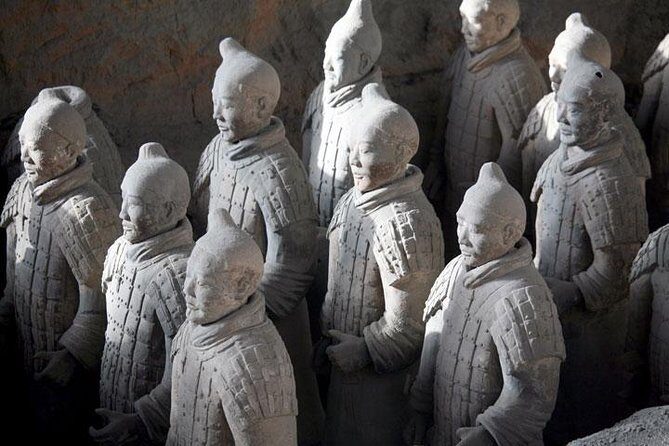
Xi’an’s anchor stop is the Museum of Qin Terracotta Warriors and Horses. You’ll tour the excavated pits and see the warrior figures and ancient weapons. Even before you learn the deeper story, the visual weight hits fast. It’s the kind of sight that makes you pause and realize how much work went into a single project.
After that, you move to the Small Wild Goose Pagoda and nearby Xi’an Museum. The pagoda is a brick structure that’s still standing even after earthquakes. That kind of survival adds another layer to what you’re seeing: not just ancient art, but durability through time.
This day’s mix is smart: Terracotta Warriors are massive and iconic. The pagoda is smaller, more contemplative, and gives you a different angle on Xi’an’s history.
City Wall, Great Mosque, and Muslim Quarter: the everyday Xi’an breaks in
One of the best parts of Xi’an for many people is that it doesn’t stay locked in ancient ruins. This itinerary gives you the living city side too.
You start with the Xi’an City Wall (Chengqiang). The plan includes a leisure visit to the City Wall Park, where you can observe daily life of locals, then you visit the City Wall itself. It’s one of those rare “heritage and real people at the same time” setups.
Next, you visit the Great Mosque of Xi’an, noted for typical Islamic architectural features, followed by time in the Muslim Quarter. You can stroll freely and there’s also a snack tour arrangement at a popular restaurant with varieties of local snacks. This is where the trip becomes more than landmarks—you taste the city.
Then you add an older dynasty layer with Tomb of Emperor Jingdi (Hanyangling), also called the Han Yang Ling Museum. The standout feature noted in your plan is the excavation areas, which you’ll visit in the afternoon along the way to the airport.
This day keeps moving, but it’s a balanced package: fortified wall, religious architecture, local food, and then a deeper tomb site.
Flying to Zhangjiajie and then disappearing into the clouds
After Xi’an, you go to the airport and catch your flight to Zhangjiajie, then get transferred to the hotel. Zhangjiajie is where the trip’s tone shifts from history-heavy to scenery-heavy.
This part matters because your brain needs a change of gear. After palaces, warriors, and walls, you’re ready for dramatic terrain and wide views.
Zhangjiajie National Forest Park: Bailong Elevator, Yuanjiajie, and Southern Sky Column
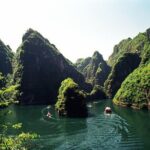
Zhangjiajie National Forest Park is your big full-day scenery block. You start with the Bailong Elevator to the Yuanjiajie Scenic Area, a named route designed to bring you quickly into the viewpoints.
The plan calls out the Southern Sky Column, known as a shooting spot tied to Avatar. Even if you’re not a movie person, this is still a top-name visual. The column’s silhouette looks like it was made for a film camera.
Your ticket inclusion helps here: you can focus on viewing platforms and getting oriented rather than wasting time debating entry points.
Practical consideration: you may spend a lot of time outside with uneven walking surfaces. Comfortable shoes and a light layer for changing weather are smart.
Grand Canyon of Zhangjiajie and Golden Whip Brook: a scenic hike that still has structure
Next comes the Grand Canyon of Zhangjiajie, described as a landscape museum blending mountains, caves, and water into one experience. The route includes admission, and the day also features Golden Whip Brook.
You take a scenic car to Shuirao Simen, then hike along the most beautiful part of Golden Whip Stream. The plan gives it as a 7.5-kilometer hike, about three hours. The point of this segment is that you’re not just watching. You’re moving through the scenery.
This is where pacing matters. If you go too fast, you’ll burn out before the best sections. If you keep a steady pace, you’ll get a satisfying mix of effort and payoff.
Tianmen Mountain National Forest Park: the 999 stairs moment
Tianmen Mountain is your final major Zhangjiajie day, and it’s built around Tianmen Cave as the natural wonder behind the name. If you’re energetic, the itinerary includes the option of climbing the 999 stairs, a well-known challenge.
This is one of those decisions you’ll want to think about in advance:
- If you climb, you’ll feel the achievement quickly
- If you don’t, you can still enjoy the park views and the ride elements, as time allows
After Tianmen, you fly in the evening to Shanghai and your guide and driver transfer you to the hotel.
Shanghai Urban Planning Exhibition Hall, Yu Garden, and the Bund: old charm plus city ambition
Shanghai starts with a quick hit of context: the Shanghai Urban Planning Exhibition Hall. You see how Shanghai grew from a small fishing village into a giant modern metropolis, with models and photos showing the planning. This stop works especially well early because it gives you a framework. When you see buildings later, you’ll know what story they’re trying to tell.
Then you go to Yu Garden (Yuyuan), a classic private garden with more than 400 years of history. Afterward, you walk past Yuyuan Bazaar outside the garden and keep exploring the old-town area.
Lunch is mentioned in the plan before the next big moment: the Huangpu River Cruise. This is where you admire both Chinese and Western architectural styles along the Bund area, plus modern skyscrapers. The cruise also gives you a break. Even if you’re not tired, it’s a nice reset after walking.
Then you have time at the Bund (Wai Tan) and you finish with Tianzifang, a cultural street area in old lanes.
Important detail: this day includes a blend of guided time and free time. That’s good. It keeps you from feeling over-scripted.
Getting your money’s worth: tickets, meals, water, and mobile entry
The price is high enough that you’ll want to understand what’s folded in. Here’s what you can rely on from the tour package:
- Hotel accommodation on a twin-sharing basis
- A mix of breakfasts (10) and lunches (6)
- Two bottled waters per person per day
- Professional guide and experienced driver
- Air-conditioned vehicle
- One-way economy-class airfare involving Xi’an, Zhangjiajie, and Shanghai
- Mobile ticket support for entry
On top of that, your day-by-day plan lists many major attractions with admission included—such as Forbidden City, Great Wall at Badaling, Ming Tombs, Summer Palace, Terracotta Warriors, Small Wild Goose Pagoda, Xi’an City Wall, Great Mosque, Terracotta site museum, and the main Zhangjiajie parks stops and admissions.
So when you’re budgeting, this tour isn’t only “transport plus a guide.” It’s also a lot of ticket friction removed, which can easily add up on a multi-city route.
Price and logistics: how $2,999 can be good value for this exact route
At $2,999 per person, this is the kind of tour that makes sense when you value time, comfort, and low mental load. You’re paying for:
- private guide coverage across four cities
- drivers and A/C vehicle transfers in each city
- flights between the major regions
- a schedule designed around major ticketed highlights
If you tried to DIY this itinerary, you’d likely spend time coordinating trains/flights, researching which tickets are worth pre-booking, and negotiating entry times for sites that can get crowded. Even when DIY costs less on paper, it often costs energy and time.
This tour also includes accommodations and recurring meals, which helps stabilize your daily spending. That’s a real value when you’re bouncing between cities.
One caution: gratuities to guides and drivers are not included, and they’re recommended. If you’re someone who hates “extra payments at the end,” set aside a budget for tipping ahead of time.
Practical tips that make this kind of China trip easier
Here are a few things I’d do to make this itinerary feel smooth:
- Wear shoes built for walking. You’ll do long days at the Forbidden City, along the Wall, in Xi’an, and in Zhangjiajie.
- Plan for weather shifts. Mountain parks can feel cooler or windy even when the city is warm.
- Bring a day pack. It helps keep water, a light layer, and essentials organized when you’re moving between parks.
- Use the mobile tickets promptly. Keep your passport handy for any identity checks tied to entry.
- Have a relaxed attitude about pace. Private tours still move; they just move smarter.
Who should book this tour (and who should rethink it)
This itinerary fits best if you:
- want high-impact sights in four cities without juggling details
- prefer private guiding and chauffeured travel over public transit
- like a balanced mix of monuments, food time, and scenic viewpoints
It may not be the best match if:
- you need a very slow schedule or minimal walking
- you have health or mobility constraints. The tour notes it is not suitable for people over 80 years old.
- you’re hoping for a purely free-form trip. This plan is structured and time-based.
In Zhangjiajie especially, terrain and hiking length matter. The 7.5-kilometer Golden Whip Brook walk and the option of climbing the 999 stairs on Tianmen are real physical signals.
Should you book this private China tour?
I’d book it if you want a guided highlights marathon that still feels thoughtfully put together: imperial Beijing, ancient Xi’an, cinematic Zhangjiajie, and a Shanghai finale that includes both city planning context and riverside views.
Skip it if you’re traveling mainly for quiet, slow sightseeing, or if long days on foot will be a problem for you. Also, if you’re the kind of traveler who loves handling tickets and routes yourself, you might find more flexibility elsewhere.
For the right traveler, this is a strong value because it handles the hard parts—guides, key admissions, city transfers, and multi-day organization—so you can focus on the moments you actually came for.
FAQ
What’s included in the tour price?
The package includes hotel accommodation based on twin-sharing, one-way economy-class airfare involving Xi’an, Zhangjiajie, and Shanghai, two bottled waters per person per day, a professional guide and experienced driver, an air-conditioned vehicle, and breakfast (10) plus lunch (6).
Is this tour private or shared with other people?
This is a private tour/activity. Only your group participates.
Are attraction tickets handled for you?
Yes. The tour uses mobile tickets, and many stops list admission as included as part of the plan.
What about meals and vegetarian food?
Breakfast is included, and there are also lunches included on some days. A vegetarian option is available—tell the provider at booking if you need it.
Do I need to bring my passport details?
Yes. Passport name, number, expiry, and country are required at booking for all participants, and a current valid passport is required on the day of travel.
Where does the tour start and what time?
The meeting point is Beijing Capital Airport, Shunyi, Beijing 101300 China, with a start time of 9:00 am.
Is the tour suitable for older travelers?
The tour is not suitable for people over 80 years old, according to the provided information.