REVIEW · BEIJING
Ming Tombs Private Tour: Sacred Road, Dingling and Changling
Book on GetYourGuide →Operated by Fun Beijing Travel · Bookable on GetYourGuide
Ming Tombs feel calmer. This private tour focuses on three of the site’s biggest draws, with a real guide and front-door transfers from your Beijing hotel. I like that you don’t waste time figuring out buses or ticket queues, and you can keep a steady rhythm instead of rushing.
Two standout strengths for me are the Sacred Road with its 32 pairs of carved stone guardians, and the chance to see Dingling’s underground palace that’s been fully excavated. The main drawback to weigh is cost: at $135 per person, you’ll want this to be a priority day, not a casual add-on.
One more practical note: the tour may include optional stops like jade and tea, and you should only say yes if that’s your thing. Also, one past guest flagged a poor pace and some unclear ticket handling, so it’s smart to confirm details with your guide on the day.
In This Review
- Key highlights worth knowing before you go
- Why the Ming Tombs are more than another royal cemetery
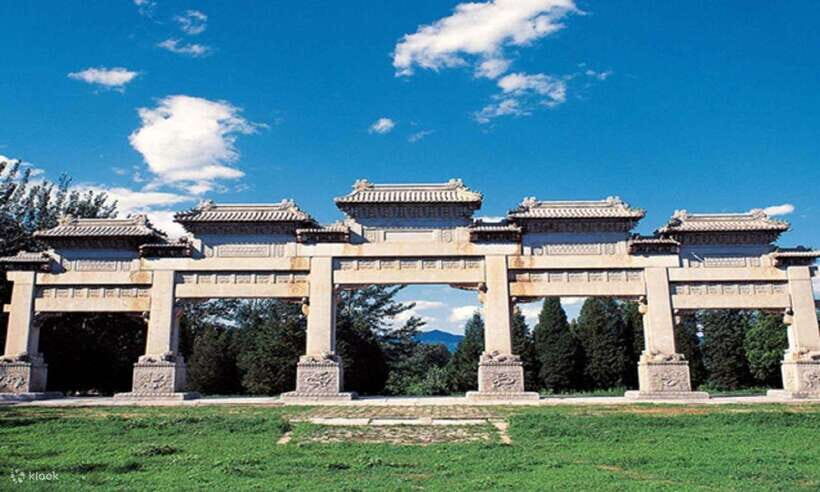
- Sacred Road: the ceremonial avenue and its 32 pairs of guardians
- Dingling’s underground palace: 27 meters down into Ming burial design
- Changling Tomb: Zhu Di, nanmu pillars, and the feeling of age
- The value of private pacing: photos, silence, and better explanations
- Transportation and timing: a focused 6-hour Beijing escape
- Food, tickets, and what you’ll need to bring
- Price and value: does $135 per person make sense?
- Optional jade and tea stops: say yes only if it fits your day
- Should you book this Ming Tombs private tour?
- FAQ
- How long is the Ming Tombs private tour?
- Is hotel pickup and drop-off included?
- Is this a private tour?
- Which main places are included?
- Are entrance fees included?
- Is food included?
- What is included with the tour besides the guide?
- Do I need a passport?
- What’s the cancellation policy?
Key highlights worth knowing before you go
- Sacred Road’s stone symbolism: 32 pairs of statues, with lions, elephants, horses, and civil/military officials
- Dingling Underground Palace: 27 meters down, with 3 connected chambers carved from solid stone
- Changling’s best-preserved setting: nanmu pillar hall (Ling’en Hall) and peaceful courtyards with ancient cypresses
- Private, English-speaking guidance: stories that connect architecture, history, and feng shui ideas
- Easy logistics: skip ticket lines and go by private vehicle with hotel pickup/drop-off (within the 4th ring road)
- Photo stop for modern Beijing: a brief pass by the Bird’s Nest and Water Cube if traffic allows
Why the Ming Tombs are more than another royal cemetery
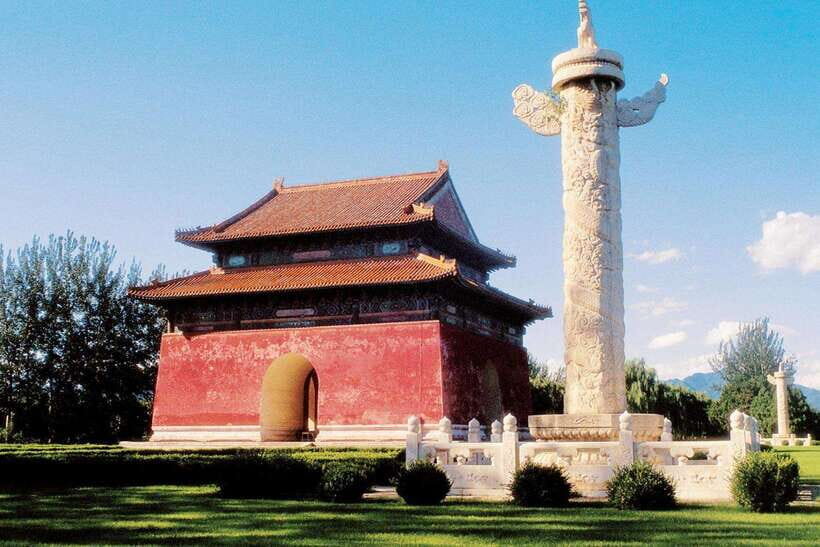
The Ming Tombs are a UNESCO World Heritage Site and, as the largest imperial mausoleum complex in China, they’re built to do more than store bodies. The layout reflects traditional Chinese feng shui philosophy, meaning the whole site is designed around balance, direction, and ceremony. That’s exactly where a good guide pays off: without context, you can end up staring at stone and guessing what you’re looking at.
This tour is built around the most important, most meaningful pieces: Sacred Road, Dingling, and Changling. Those aren’t random stops. They form a story arc—from the ceremonial approach, to a rare underground burial space, and finally to the tomb tied to Emperor Zhu Di, the driving force behind the Forbidden City and the Ming Tombs.
If you like your sightseeing with explanations you can actually use, this format helps. You’ll hear why statues are placed where they are, what courtyards and halls were meant to do, and how the Ming approach to architecture shows up in the wood and stone.
You can also read our reviews of more private tours in Beijing
Sacred Road: the ceremonial avenue and its 32 pairs of guardians

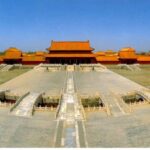
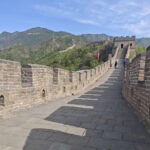
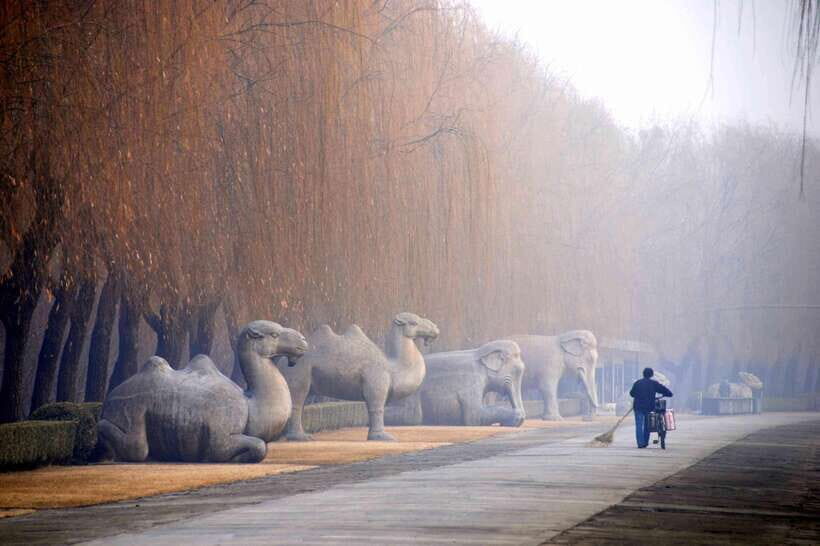
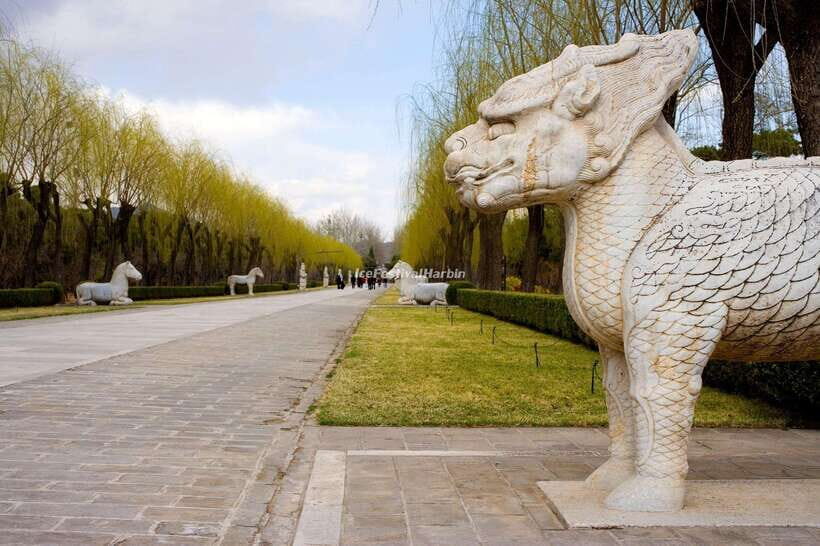
Your day starts at the Sacred Road, a grand ceremonial avenue originally built for Emperor Zhu Di’s Changling Tomb and later used as the shared approach for all 13 mausoleums. The scale is impressive: the path stretches 7.3 kilometers and is lined with 32 pairs of exquisitely carved stone statues.
Here’s what makes this part so memorable. The statues aren’t just decoration. You’ll see lions, elephants, and horses, plus civil and military officials—each pair connected to the idea of power, order, and protection for the emperor’s journey after death. A guide will explain the symbolism behind what’s carved in front of you, which turns a long walkway into a sequence you understand.
One practical advantage: the Sacred Road can feel calmer than China’s biggest headline attractions in Beijing. That matters because you can actually take photos without constant crowd-control pressure. You’re also more likely to notice smaller details when you aren’t surrounded by elbows and instant “next, next, next” energy.
If you’re sensitive to walking distances, keep expectations realistic. The road itself is long, but your guide’s pacing should keep the experience manageable. A private group is useful here.
Dingling’s underground palace: 27 meters down into Ming burial design
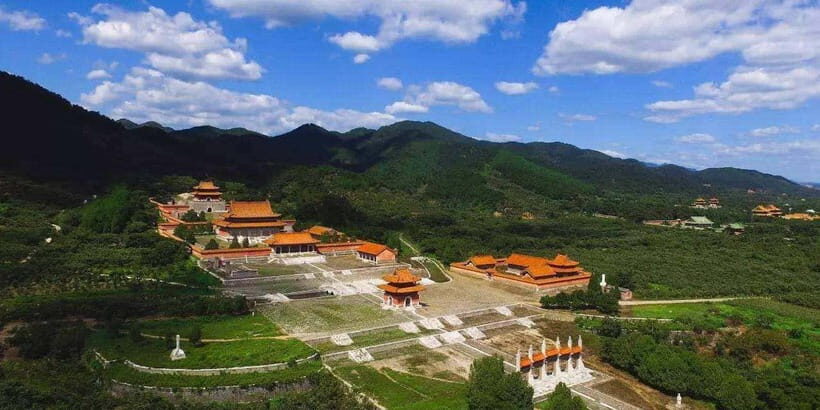
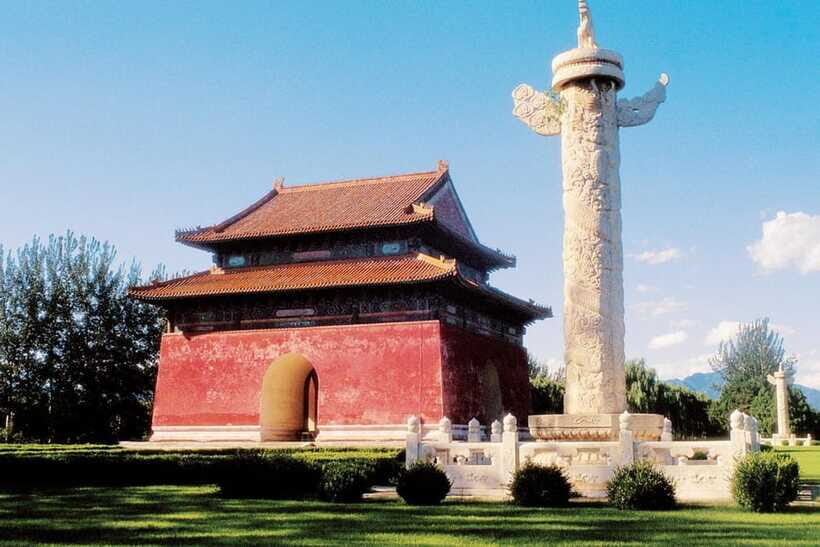
Next comes Dingling, the mausoleum of Emperor Zhu Yijun and his two empresses. Dingling is special for one big reason: it’s uniquely among the Ming Tombs because its underground palace has been fully excavated. That turns Dingling from a “look at what remains above ground” stop into a rare, concrete window into Ming burial practices.
You’ll start above ground—courtyards and halls—so you get the ceremonial surface layout. Then you descend into the underground palace area, 27 meters deep. The space is made up of 3 connected chambers carved from solid stone. That detail is worth holding in your head: you’re not walking through a replica. You’re seeing how the tomb system was engineered underground.
What you’ll notice right away is preservation and scale. The sarcophagi of the emperor and empresses are well-preserved, and there’s an on-site museum with artifacts unearthed from the tomb. Expect to see gold and silver vessels, jade carvings, silk fabrics, and imperial robes.
This is the stop where an experienced guide can really change your day. One guide named Mr. Zhang was praised for explaining the history of the Ming Tombs and how they were excavated, and that kind of explanation helps you connect what you see with why it matters.
Changling Tomb: Zhu Di, nanmu pillars, and the feeling of age
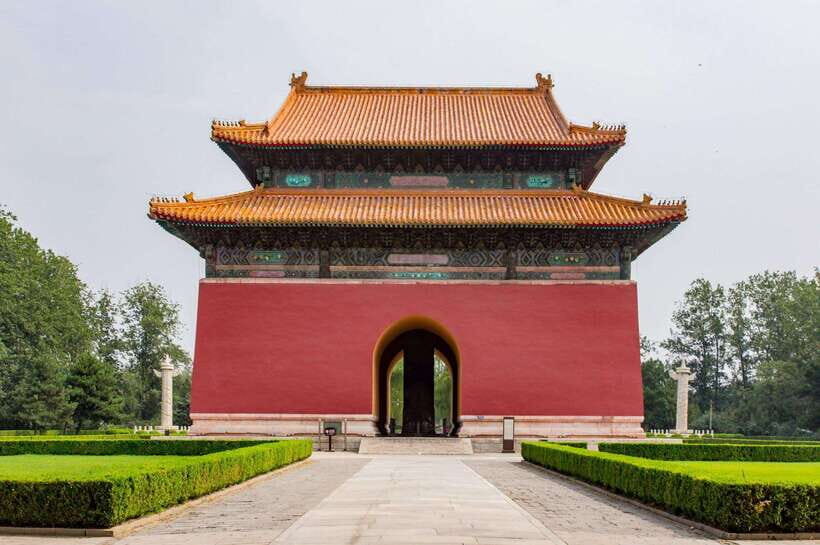
Then you’ll finish with Changling Tomb, described as the largest and best-preserved tomb in the complex. It’s dedicated to Emperor Zhu Di, the third Ming emperor—the person credited with pushing forward the construction of the Forbidden City and the Ming Tombs. Even if your focus is architecture, that political context makes the site easier to place.
Changling also gives you variety. There’s an imposing main hall, and you’ll get a look at Ling’en Hall, famous for its massive nanmu pillars. Nanmu is a rare type of Ming-era wood, and the hall is a good example of Ming wooden architecture at its scale and confidence.
Step inside and you’ll see the intricate beam structures and the spacious interior that once hosted imperial sacrificial ceremonies. Then the pace shifts again as you move through courtyards surrounded by ancient cypresses. That mix—formal hall, crafted interior, then quiet outdoor space—is part of why Changling feels complete.
In short, this isn’t only about big walls. It’s about how Ming ceremonial life was staged through buildings, materials, and the order of spaces.
The value of private pacing: photos, silence, and better explanations
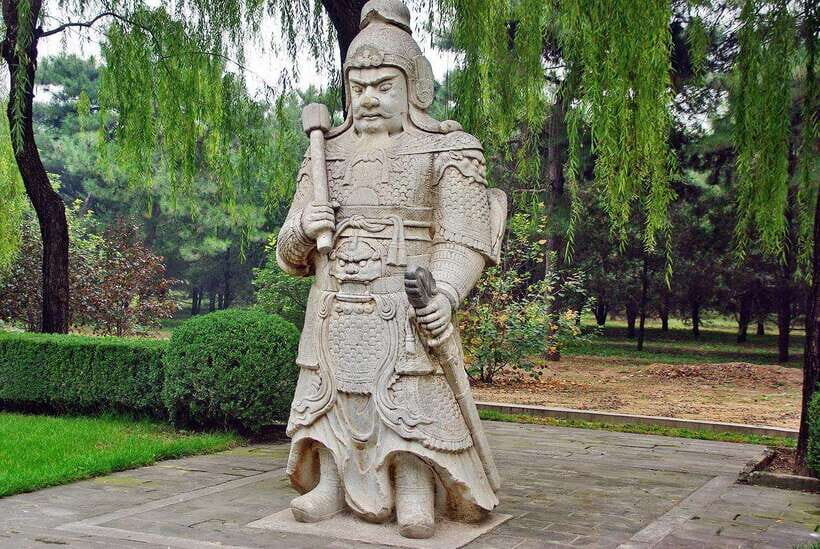
A private tour changes how you experience sites like this. You’re not stuck with the loudest voice in the group deciding the pace. Instead, you can slow down at the Sacred Road when the light is good, or spend extra time with the underground details at Dingling if that’s what you care about most.
This also affects photo-taking. One guest specifically called out how the Sacred Road experience stays calmer than major Beijing bottlenecks, which makes it easier to photograph without worrying about losing the guide.
Guides matter here. English-speaking guides on this tour have been praised for making complicated Ming context feel understandable. Names you might meet include Lily, Sherry, and Mr. Zhang. Lily and Li were praised together for clear explanations, and Sherry was praised for background details that make the tomb architecture feel less abstract. In other words: you’ll get more out of the stone and spaces if your guide tells you what to look for.
That said, keep expectations grounded. One negative experience mentioned a rushed, disorganized approach and unclear details around ticket handling. If you want the day to run smoothly, treat the first few minutes after pickup as your checklist moment: confirm the main stops you’ll hit and ask how any additional purchases or add-ons will work.
Transportation and timing: a focused 6-hour Beijing escape
This is a tight day: about 6 hours total, designed for a Ming Tombs morning rather than a full day commitment. You start with pickup in Beijing by your professional guide and driver, and the tour is meant to run without you navigating on your own.
The tour includes hotel pickup and drop-off for hotels within the 4th ring road of Beijing. For a day trip like this, that detail is more than convenience. It can save you time and stress, since Ming Tombs are farther out and cross-town transit can eat your morning.
Your tour route is practical:
- Morning visit to Dingling (guided tour around 1 hour)
- Main mausoleum complex time covering Ming Dynasty Tombs (guided tour around 2 hours, including the Sacred Road and Changling Tomb coverage within that block)
- A brief photo stop related to Niaochao and Water Cube (about 5 minutes), if traffic allows
Because it’s private, you won’t be waiting around for other groups to finish a photo moment. That’s the kind of “small” advantage that adds up on a day trip.
Food, tickets, and what you’ll need to bring
Food isn’t included. That means you’ll either snack on the way or plan your meal around the tour timing. Bottled water is included, which helps you stay comfortable during the walking and the time outdoors.
Entrance fees are included, and you’ll skip the ticket line. That combo matters in real life. When you’re paying for a private vehicle and guide, you also want the on-site process to be handled smoothly. Skipping the queue is one of the reasons private formats can feel worth it here.
What you bring is simple: you’ll need your passport. Also, when you book, the tour requires passport number, full name, and nationality for everyone in your group. If you have multiple people traveling together, I strongly suggest you collect that information early so it doesn’t become a last-minute problem.
Price and value: does $135 per person make sense?
At $135 per person for a 6-hour private day, you’re paying for three things at once: expert guidance, private transportation, and entrance fees.
If you go on your own, you’ll still spend money on transport and tickets, and you’ll need to handle the timing of sites and the mental work of figuring out what everything means. This tour swaps that uncertainty for a guide who connects the details: why Sacred Road statues are there, what Dingling’s excavation reveals, and how Changling’s architecture connects back to Emperor Zhu Di.
The value becomes clearer if your goal is understanding, not just photos. The underground palace at Dingling is a good example. Seeing 27 meters down is impressive. Getting the explanation for what the chambers are and what was found in the tomb makes it more than a “wow moment.”
The potential downside is price sensitivity. One review called the tour expensive, which makes sense if you’re comparing it to group tours or a DIY plan. If Ming Tombs are a high-priority stop and you want a calmer, guided experience without navigation friction, the cost is easier to justify.
Optional jade and tea stops: say yes only if it fits your day
In some cases, after the tomb visits, you may be offered additional stops such as a jade workshop and a tea tasting. One guest described agreeing to both, while also noting that these stops are essentially optional and happen only after the customer says they’re okay.
This is shopping-adjacent, and you should treat it like that. If you enjoy cultural craft demonstrations or you’re curious about tea rituals, it can add variety. If you mainly want a tomb-focused morning, you can keep your time strictly on the site and skip anything that feels like a sales detour.
The best approach: decide in advance what role, if any, you want these add-ons to play. Your day is short, so every extra hour matters.
Should you book this Ming Tombs private tour?
I’d book it if you want Ming Tombs treated like a real story, not a checklist. The combination of Sacred Road symbolism, Dingling’s fully excavated underground palace, and Changling’s Zhu Di connections is exactly the kind of three-part route that benefits from a skilled guide and a private schedule.
You should think twice if $135 feels too high for your budget, or if you prefer totally unscripted travel where you decide every stop on the fly. And if you’re sensitive to pace and clarity, I’d be proactive at the start of the day: confirm the order of stops and ask how any extra purchases are handled so there are no surprises.
For many people, the real win is this: you get to see the stone, but you also understand the logic behind it.
FAQ
How long is the Ming Tombs private tour?
It lasts 6 hours.
Is hotel pickup and drop-off included?
Yes, pickup and drop-off are included for hotels within the 4th ring road of Beijing.
Is this a private tour?
Yes. It’s a private group with an English-speaking live guide.
Which main places are included?
You’ll visit the Sacred Road, Dingling, and Changling Tomb, all within the Ming Tombs complex.
Are entrance fees included?
Yes. Entrance fees are included, and you’ll skip the ticket line.
Is food included?
No. Food is not included.
What is included with the tour besides the guide?
Bottled water, professional guide, private vehicle transport, entrance fees, and hotel pickup and drop-off (within the 4th ring road).
Do I need a passport?
Yes. You’ll need to bring your passport, and booking requires passport number, full name, and nationality for everyone.
What’s the cancellation policy?
Free cancellation is available up to 24 hours in advance for a full refund.