REVIEW · BEIJING
Beijing:Eastern Qing Tomb/Huangyaguan Great Wall/Dule Temple
Book on GetYourGuide →Operated by Fun Beijing Travel · Bookable on GetYourGuide
Three sites, one big day of history. The mix of imperial mausoleum grandeur, Huangyaguan Great Wall views, and a working Buddhist temple makes this route feel more like a real itinerary than a checklist. You can even tailor it by choosing which 1–2 attractions you want to prioritize.
I really like two things about how this trip is run: the door-to-door private vehicle (so you’re not wrestling public transit), and the flexibility to pick 1 or 2 spots from the three major destinations. That means you can go big on the Great Wall—or spend more time on the tombs, depending on your interests and energy.
One watch-out: entrance fees and lunch aren’t included, and you’ll buy tickets on-site. That’s not a deal-breaker, but it does affect your total budget for the day.
In This Review
- Key things to know before you go
- The Beijing-to-Tianjin day route that actually makes sense
- Price and value: what $96 really buys you
- Eastern Qing Tombs: Cixi and Qianlong in one of China’s best-preserved mausoleums
- Huangyaguan Great Wall: 3 km, 20 watchtowers, and mixed-age construction you can actually spot
- Dule Temple: a rare surviving timber temple and giant Guanyin sculpture
- Guided tour vs transfer-only: choose how you want the day to feel
- Option 1: Guided tour
- Option 2: Transfer service
- Timing, tickets, and the small decisions that make the day smoother
- Tickets and lunch
- What to bring
- Hotel pickup matters
- Who should book this trip (and who should consider a different plan)
- Should you book this one?
- FAQ
- What does the $96 per person price include?
- Can I choose only one or two attractions?
- What’s the difference between the guided tour and the transfer service?
- Are entrance tickets included?
- Is lunch included?
- How long is the trip?
- Is hotel pickup and drop-off included?
Key things to know before you go
- Choose your own 1–2 attractions: You can build a shorter, more focused day, or take the full loop if that’s your style.
- Two service styles: A full guided tour with explanations, or a transfer-only setup where the driver waits.
- Tickets on-site: Entrance fees are not included, so you’ll plan for that cash/time buffer.
- Hotel pickup in Beijing: Your guide meets you in the hotel lobby with your name on it.
- Balanced timing at each stop: About 2 hours for the tombs, 2 hours for Huangyaguan, and 1 hour for Dule Temple.
- Private group feel: This isn’t a crowded bus day; it’s set up for calmer pacing.
The Beijing-to-Tianjin day route that actually makes sense
This is one of those day trips where the logistics are doing you a favor. You start in downtown Beijing with hotel pickup, then head north/east to Tianjin Jixian for three major attractions that don’t always pair well on their own when you’re planning independently. The payoff is a single, connected day: imperial mausoleums, Great Wall engineering, and a rare temple built to survive centuries.
You’ll be working with a clear rhythm. Eastern Qing Tombs and Huangyaguan each get about two hours, so you can see the main areas without rushing through everything like a museum sprint. Dule Temple gets about one hour, which is enough to take in the big visual highlights—especially the towering Guanyin Pavilion and the giant clay sculpture—without turning the day into an endurance test.
And you get a true choice: go with a full guided tour (more explanation, more context), or select transfer-only (more freedom, less structure). That flexibility matters because each stop rewards different travel styles.
You can also read our reviews of more tours and experiences in Beijing.

Price and value: what $96 really buys you

At $96 per person for a 9-hour private-day setup, the core value here is transportation and (if you choose it) interpretation. You’re paying for the convenience of door-to-door pickup in Beijing, private vehicle travel, and—optionally—an English-speaking guide who can explain what you’re seeing while you’re there.
What it doesn’t include is also important for planning. Entrance tickets and lunch are separate, and tickets are purchased on-site. So your final day cost will depend on how many attractions you pick (1 versus 2) and what the ticket prices are that day.
If you’re the type who likes the “Why does this matter?” side of travel, the guided option usually feels like better value, because you’re not just looking at stone and timber—you’re getting the story tied directly to the buildings. If you’re more independent and you don’t want to spend extra time in guided pacing, transfer-only can keep the day lighter and more flexible.
Bottom line: this is a good value when you treat the $96 as the transportation + structure fee, and you mentally budget extra for entry tickets and food.
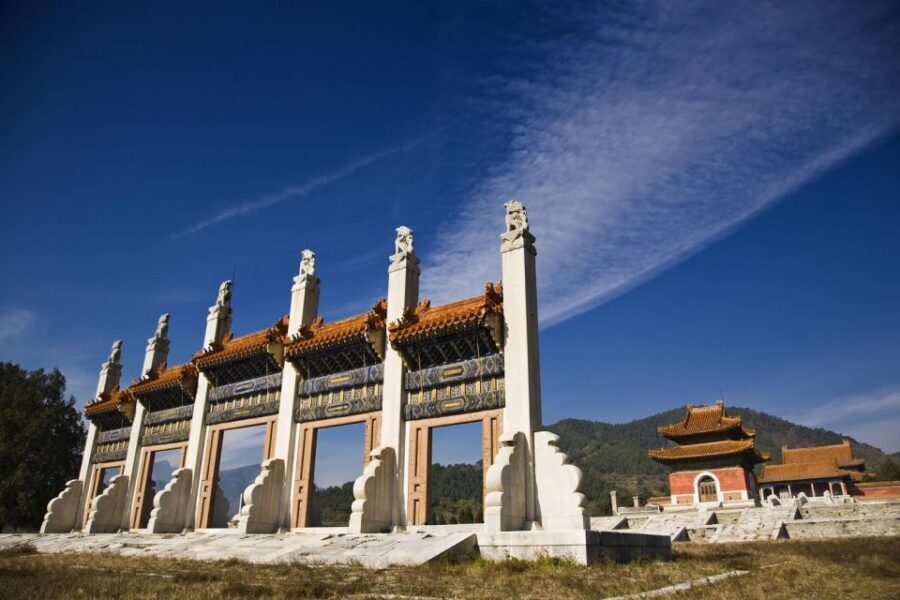
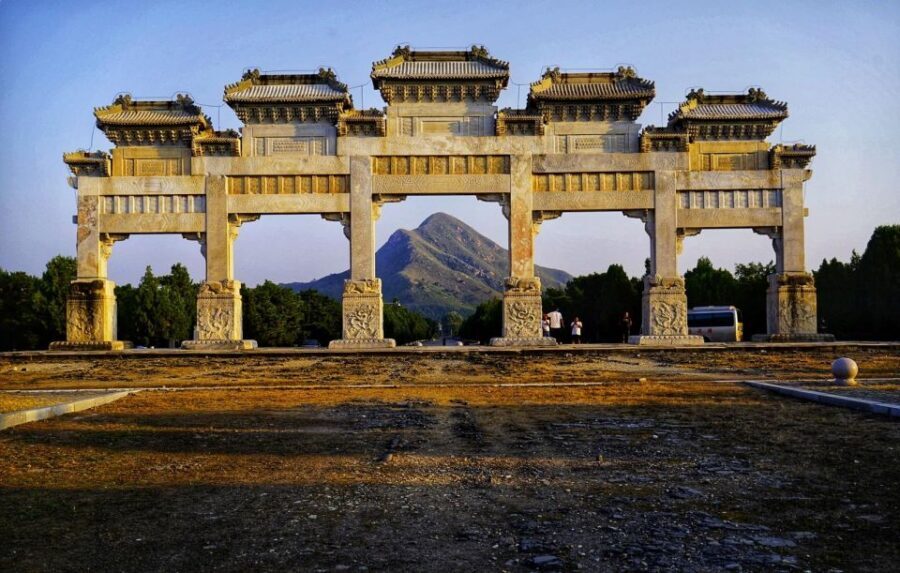
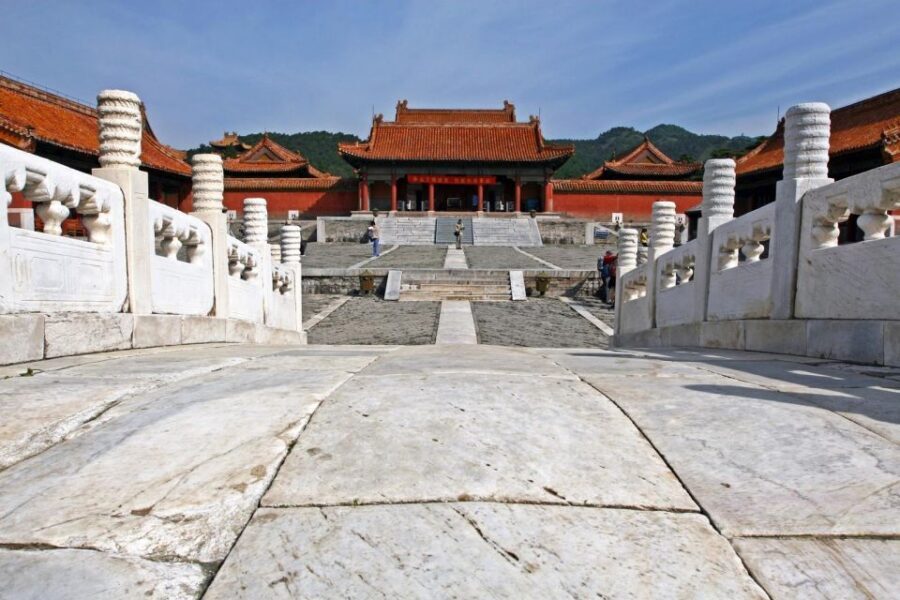
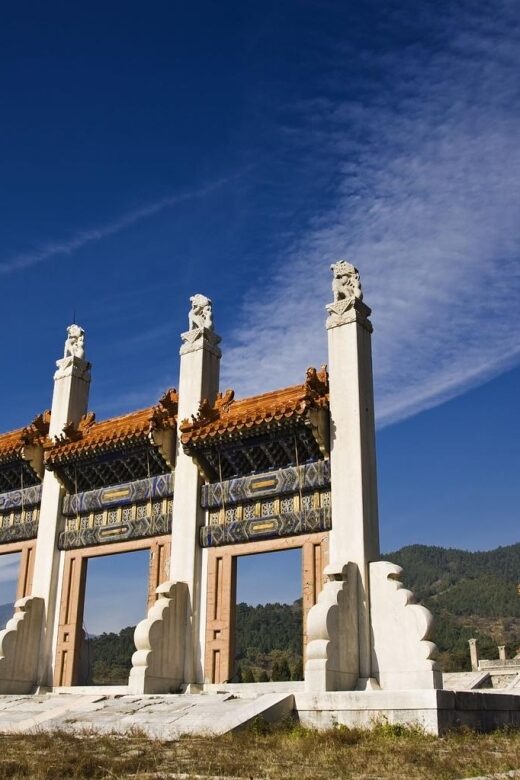
Eastern Qing Tombs: Cixi and Qianlong in one of China’s best-preserved mausoleums
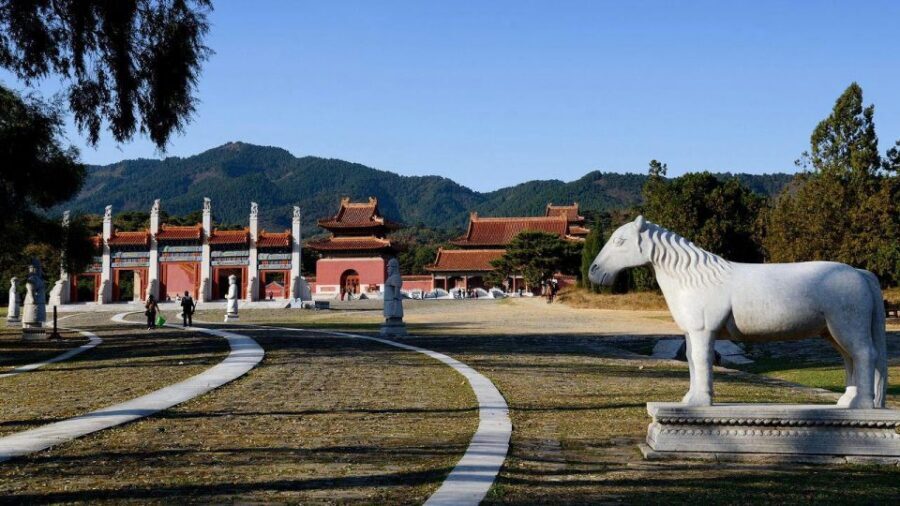
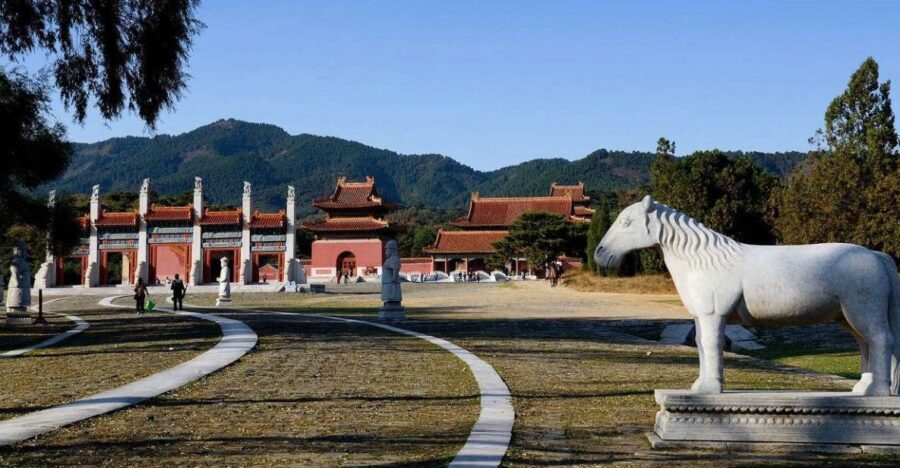
Eastern Qing Tombs is the kind of site that can feel overwhelming if you show up with zero context. That’s where a guide helps, because the place isn’t just one tomb—it’s a whole imperial complex. It’s described as China’s largest, most complete, and best-preserved extant Qing mausoleum, and it’s home to the tombs of five emperors, fifteen empresses, 136 imperial concubines, and many other royal family members.
Two names anchor the experience in a very visual way: Empress Dowager Cixi and Emperor Qianlong. Seeing how they fit into the wider Qing court adds meaning to the architecture and layout. Even if you only remember a few key points, those names help you connect what you’re looking at to the power and politics of the period.
If you love quieter travel days, Eastern Qing Tombs can be especially satisfying. In practice, this route has the advantage of timing and pacing: with private transport and a controlled day schedule, you’re less likely to feel stuck in a constant crowd flow.
A practical consideration: you’re going to be on your feet for a couple hours. Wear comfortable shoes, and plan for weather. Mausoleum grounds involve walking between areas, and you’ll want to move at your own pace, even if you’re using the guided option.
Huangyaguan Great Wall: 3 km, 20 watchtowers, and mixed-age construction you can actually spot
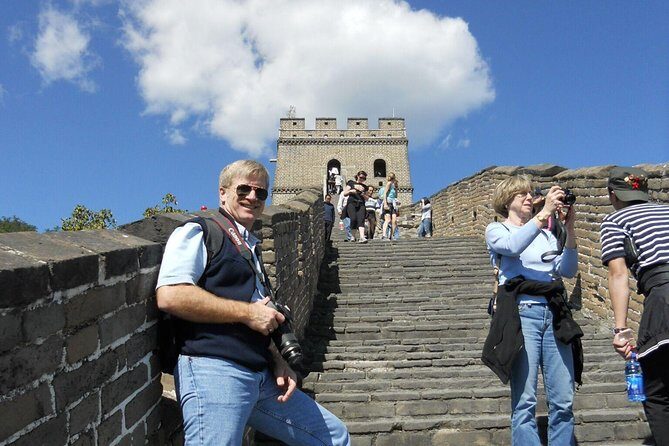
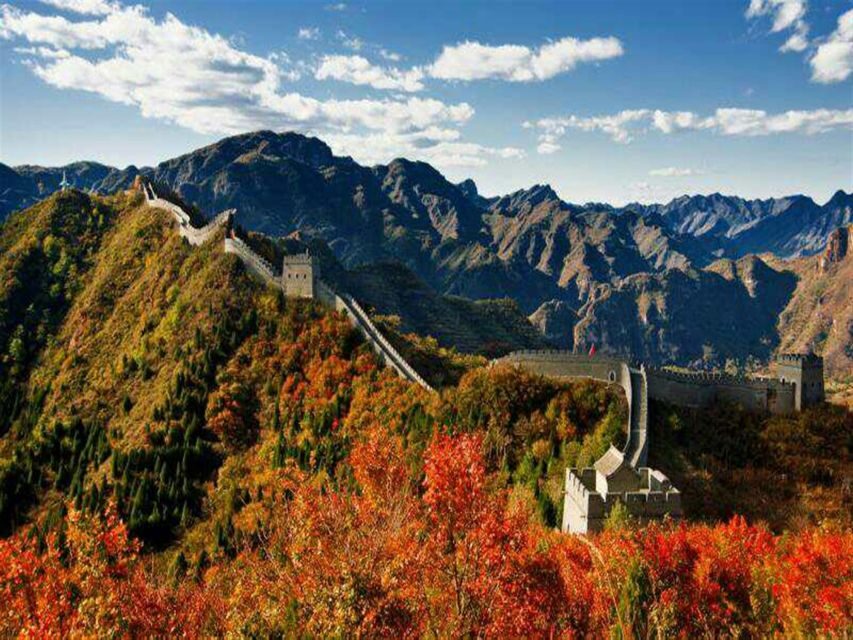
If you pick only one site from the three, the Great Wall is the obvious candidate. Huangyaguan is famous for having a renovated segment about 3 kilometers long, with around 20 watchtowers, a pass fort, and a gatehouse. That’s a lot to pack into one stretch, and it helps explain why the visit often feels substantial even within a two-hour window.
What makes this section especially interesting is the blend of construction styles. It combines Northern Qi Dynasty stone bases with Ming Dynasty brick battlements. In plain terms: you’re seeing layered history in the wall itself. That’s not just trivia—it changes how you read the structure as you walk along it.
The watchtowers also add variety. You’ll find different shapes, including solid and hollow designs, which gives you visual stops along the walk instead of a single repetitive view. It’s not only about looking outward; it’s also about watching the wall’s details as you go.
A helpful note on pacing: you can treat your two hours as “walk + pause for photos,” not “power-walk the whole thing.” With a guide, you can ask questions in real time and get context about what you’re standing in front of. With transfer-only, you’ll still have a lot of time to explore on your own—you just won’t have someone translating the site as you move.
Also, if you time it right, Huangyaguan can feel pleasantly uncrowded. One factor you control is your departure time and your tolerance for peak hours. If you prefer calmer photo moments, choose an earlier start when possible.
Dule Temple: a rare surviving timber temple and giant Guanyin sculpture
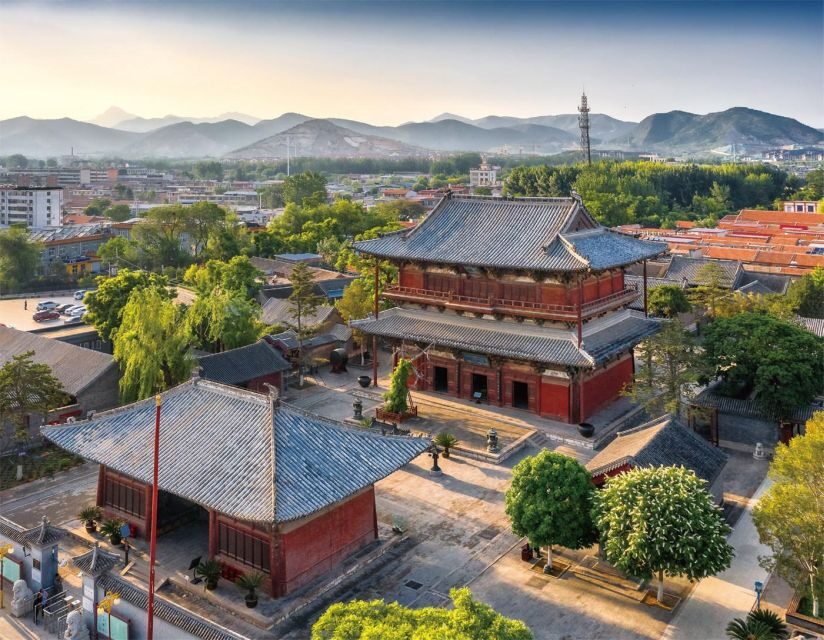
Dule Temple is the kind of place that makes you slow down without trying. It’s a 1,000-year-old World Heritage Site and is described as Asia’s oldest surviving timber structure. That alone makes it worth attention, because surviving timber architecture is rare on any scale.
The headline visual is the Guanyin Pavilion, which is about 23 meters high and described as the tallest existing double-story building. Then there’s the 16-meter-tall colorful clay Guanyin sculpture, one of the country’s largest. These aren’t small “nice details”—they’re major landmarks that anchor your visit within minutes of arriving.
Another reason Dule Temple works so well in a one-hour slot: the walls have intricate Buddhist murals. Even if you don’t know every symbol, the murals give the temple a lived-in feel. You’re not only looking at objects; you’re looking at traditional Buddhist art communicating meaning across space.
A practical note: this stop is shorter on the schedule, around one hour. Use that time well. Arrive ready to look up and look around. The pavilion height and the murals mean you’ll want time for your eyes to adjust.


Guided tour vs transfer-only: choose how you want the day to feel
This trip comes in two main styles, and they change the vibe.
Option 1: Guided tour
In the guided version, you meet your guide in your Beijing hotel lobby. They share histories and stories along the way and at each attraction, and you can ask questions. The guided format tends to work best for visitors who want to understand what they’re looking at rather than just ticking off sights.
If it helps, guides on this route can be very effective. For example, I’ve seen excellent results from guides such as Tian Wei and Kevin—both praised for adding context tied to the places you’re seeing.
Option 2: Transfer service
If you pick transfer-only, a driver picks you up and takes you to your chosen sites. They wait in the parking lot while you explore, then drop you back at your Beijing hotel. This can be ideal when you want freedom, you already know what you want to see, or you prefer a more self-paced walk.
One consideration: when you’re on your own, you’ll rely more on signage and your own reading. Since tickets aren’t included and you buy on-site, you’ll want to handle entrances confidently—especially if English support isn’t available once you step into the grounds.
Timing, tickets, and the small decisions that make the day smoother
This is a 9-hour trip, but your actual sightseeing time depends on which attractions you choose. The scheduled time per stop is roughly:
- Eastern Qing Tombs: about 2 hours
- Huangyaguan Great Wall: about 2 hours
- Dule Temple: about 1 hour
So picking two attractions usually makes for a full but manageable day. Picking just one can feel less rushed—especially if you’re tired from earlier travel or you just want to focus on one big highlight.
Tickets and lunch
Entrance fees are not included. You can buy tickets on-site, and lunch is at your own expense. That means you should plan to either eat nearby or bring a simple plan for food before the day gets away from you. In real life, the “where do I eat now?” question can either be easy or annoying depending on your timing.
What to bring
For comfort, think footwear and weather.
- Comfortable shoes for walking around mausoleum grounds and the Wall
- A light layer (temples and exposed areas can feel different from what you expected)
- Water for the Great Wall portion (especially if you’re doing even a short walk)
Hotel pickup matters
Your guide meets you in the lobby with your name on it. That’s a small thing, but it reduces stress. Before you go, make sure your hotel address and pickup instructions are clear, and confirm where the meeting point is inside the lobby area.
Who should book this trip (and who should consider a different plan)
This day trip is a strong match if:
- You want a private outing instead of joining a big group
- You want to see three distinct cultural landmarks in one trip day
- You’re deciding between going guided or exploring on your own
- You like historical sites and architectural visuals as much as scenic views
It might be less ideal if:
- You’re expecting tickets and lunch to be included in the base price
- You prefer ultra-free time and don’t want a structured visit duration at each stop
- You have mobility limits that make multiple walking zones difficult (the itinerary includes tombs and a Great Wall segment, both of which involve uneven terrain)
Also, consider your energy level. The day is only 9 hours, but it’s a full day of movement between sites. You’ll feel the walking even when the schedule looks reasonable on paper.
Should you book this one?
I’d book this route if you want a smart mix of imperial mausoleum, Great Wall engineering, and a temple with rare surviving timber architecture. The flexibility to choose 1–2 attractions lets you tailor the day to your interests without forcing a full three-stop marathon.
I’d be careful about it only if you dislike extra costs on travel days. Since entrance fees and lunch are not included, you’ll want to budget for that upfront. If that’s fine with you, this trip is a practical way to see Tianjin Jixian highlights from Beijing without the planning headache.
If you’re on the fence, choose based on your travel style: pick the guided tour if you want meaning while you walk; pick transfer-only if you want freedom and you’re comfortable navigating entrances on-site. Either way, the combination of Eastern Qing Tombs, Huangyaguan Great Wall, and Dule Temple is a satisfying one-day cultural hit.
FAQ
What does the $96 per person price include?
It includes transport by private vehicle. If you choose the guided tour option, it also includes an English-speaking guide. Entrance fees and lunch are not included.
Can I choose only one or two attractions?
Yes. You can pick 1 or 2 spots from Eastern Qing Tombs, Huangyaguan Great Wall, and Dule Temple.
What’s the difference between the guided tour and the transfer service?
With the guided tour, you have an English-speaking guide who provides explanations during the drive and at each attraction. With transfer service, you get a driver who transports you to the sites, waits in the parking lot, and drops you back after you finish.
Are entrance tickets included?
No. Entrance fees are not included, and tickets are available for on-site purchase.
Is lunch included?
No. Lunch is at your own expense.
How long is the trip?
The total duration is listed as 9 hours.
Is hotel pickup and drop-off included?
Yes. Pickup is from your Beijing hotel, and your guide will meet you in the hotel lobby with your name on it. After the trip, you’ll be taken back to your Beijing hotel.