REVIEW · BEIJING
Beijing Old Hutongs Tour by Rickshaw
Book on Viator →Operated by Hantang International Travel Service · Bookable on Viator
Old Beijing comes alive on two wheels.
I like this Beijing hutong rickshaw tour because it’s a practical way to glide through narrow alleyways while still fitting in a real sight like the Drum/Bell Towers. I also love the built-in tea tasting, which gives the afternoon a cultural center, not just sightseeing.
The main drawback to watch for is that parts of the tour can feel shop-heavy, and the exact flow can vary day to day. If you’re sensitive to pressure to buy, go in with a plan to say no politely—and keep an eye on what’s included.
If you want a quick, human-scale look at everyday Beijing, this is a good match. I especially recommend it for first-timers who want the hutong texture and a view from the Drum Tower without wrestling with transit.
In This Review
- Key things you’ll remember from this hutong rickshaw tour
- Hutongs by pedicab: the real reason to choose this tour
- Practical note
- Drum and Bell Towers: worth it, but plan for stairs
- Bell/Drum timing
- Tea tasting and the tea house stop: a calm cultural reset
- The shopping factor
- Visiting a local home: what you can expect (and what to watch)
- My advice
- Optional silk factory stop: fascinating process or retail stop?
- How to handle it
- Price and value at $77 for about three hours
- Where the “value” can slip
- Pickup, timing, and what to do if your day goes sideways
- Your best move
- When extra money disputes pop up
- Who this Beijing old hutongs rickshaw tour is best for
- Quick decision: should you book this tour?
- FAQ
- How long is the Beijing Old Hutongs Tour by rickshaw?
- Does the tour include hotel pickup and drop-off?
- What time do I join if my hotel is outside the 4th ring area?
- What is included in the tour price?
- Is a tea tasting part of the experience?
- Do I get admission to the Drum and Bell Towers?
- Is there an optional silk factory visit?
- Is the tour offered as a mobile ticket?
- Can I cancel for a refund?
Key things you’ll remember from this hutong rickshaw tour

- Rickshaw pedicab time inside the hutongs: slow enough to notice details, short enough to stay energized
- Drum and Bell Towers with admission: steep stairs and a worthwhile old-Beijing view
- A tea house stop with tasting: you’re not just drinking, you’re learning what you’re tasting
- A home visit for a glimpse of daily life: a quick look into traditional customs and routines
- Silk factory may appear depending on interest: fascinating if you like process demos, but it’s also retail
Hutongs by pedicab: the real reason to choose this tour
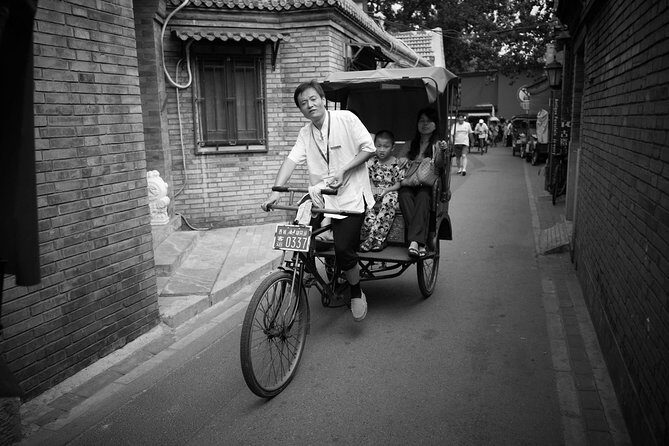
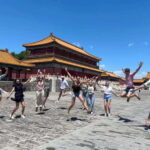
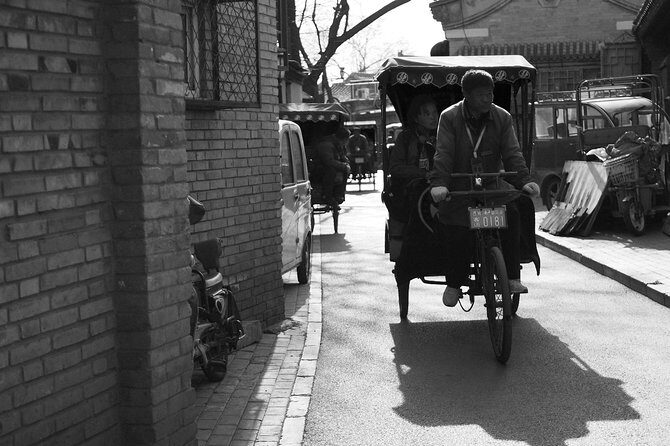
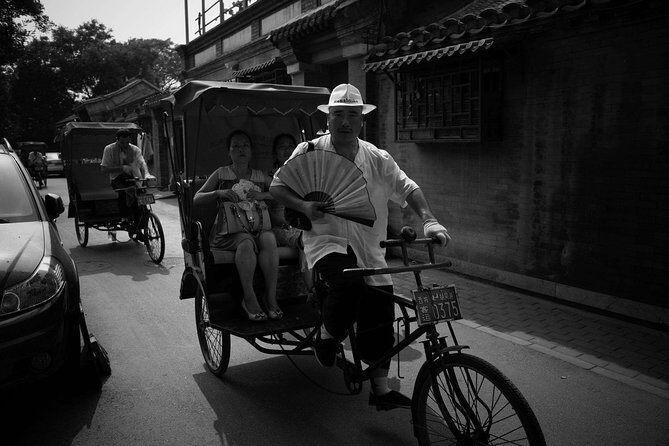
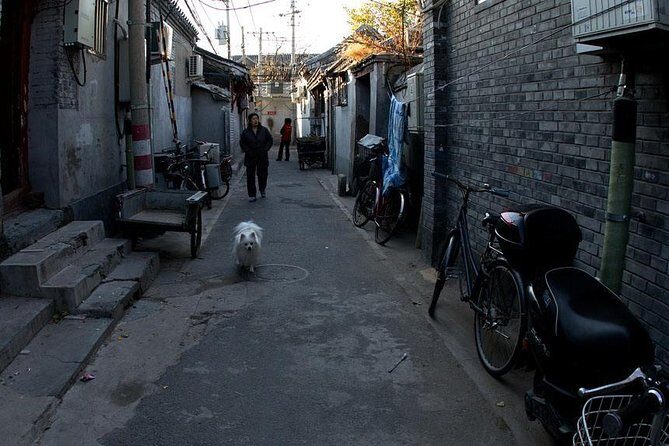
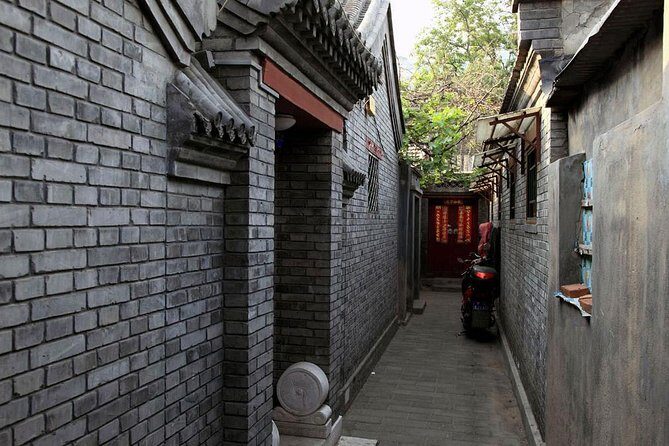
The magic here is the hutong itself—those small, winding lanes that feel like a different city from the big avenues. Walking helps, but it’s easy to get lost or miss the quieter streets. A rickshaw gives you the best of both: you can see the layout and life of the neighborhood without spending the whole day orienting yourself.
What you gain is speed plus intimacy. You’re moving at a pace that lets you read the scene: apartment doors, small courtyards, the rhythms of neighbors, and the way these lanes connect to major landmarks. When the driver threads the rickshaws through tight turns, it also helps you understand why Beijing’s old neighborhoods have always been built for local movement, not big vehicles.
Also, you’re not starting from a random meetup point. Pickup runs in a comfortable, air-conditioned vehicle, then you transition into the pedicab. That matters in Beijing, where weather can swing fast and rickshaw time is best when you’re not already exhausted.
You can also read our reviews of more tours and experiences in Beijing.


Practical note
If you’re traveling with kids, this is one of those tours that makes them sit up straighter because the rickshaw ride is the headline. If you hate stairs or cold, you’ll want to prepare carefully for the tower climb later.
Drum and Bell Towers: worth it, but plan for stairs
This tour is built around the Drum and Bell Towers, two of Beijing’s classic “big skyline” landmarks in the old core. The key experience isn’t just the building—it’s going up for the view, because it helps you connect today’s streets with older city planning.
Expect steep stairs. Even with a good guide, it’s not a flat museum walk. One reason this stop scores well is simply that the climb gives you a sense of scale: from up there, the hutongs and major roads start to make sense as a system, not random lanes.
If your group includes anyone who struggles with mobility, you’ll want to be up front before you climb. There have been cases where a guide didn’t climb due to personal limitations, so don’t assume everyone in your group will automatically go to the top. Ask early if you’ll have time for the full ascent and viewpoint.
Bell/Drum timing
In the schedule you’ll see a relatively short tower block (around half an hour is cited for this portion). That’s enough for entry and viewpoint time, but it does mean you should manage expectations: this isn’t a slow, lingering tower tour with long explanations.
Tea tasting and the tea house stop: a calm cultural reset
Between moving through hutongs and climbing towers, the tea house stop is your breathing room. The tour includes a tea tasting, and the tea house environment is described as richly decorated, which makes it feel like a real break—not a rushed pit stop.
What I like about adding tea here is that it turns a cultural detour into something sensory. You’re not just hearing facts. You’re tasting different types of tea and getting a basic sense of how tea is discussed and served locally.
There’s also a practical reason to be glad this stop exists: it breaks up the day and gives you a chance to warm up if you’re visiting in cool weather. Beijing can be chilly, and even a short seated interval can make the rest of the outing more comfortable.





The shopping factor
Be ready for a tea shop element. Some stops include the chance to buy tea and tea accessories. That doesn’t automatically mean you’ll be pressured, but it’s smart to treat purchases as optional. If you only want tea tasting, you’ll likely be fine skipping the retail side.
Visiting a local home: what you can expect (and what to watch)
The home visit is the heart of the “people live here” angle. Instead of just looking at architecture from outside, you meet a Chinese family and get a short, guided glimpse into customs and daily life. It’s typically a greeting-and-conversation style encounter rather than a long stay.
Here’s what helps: this is usually brief and structured. That’s good for visitors because it keeps the visit respectful and time-efficient. But it can also be a reality check if you’re expecting a deeper, more intimate window into family life.
Based on the experiences shared, the quality of the home stop can vary. On some days it may feel more like a demonstration than a true household visit. Sometimes you might be shown photos or conversation limited to a few prepared topics. On other days, it can feel more genuine—like you’re meeting people, not just following a script.
My advice
Go in curious, not demanding. Ask simple questions, listen more than you talk, and remember this is often a short window. If you want a specific mansion or attraction, double-check your expectations before you go, because not every itinerary detail everyone hopes for is guaranteed in the day’s routing.
Optional silk factory stop: fascinating process or retail stop?
You might be taken to a silk factory, and whether it happens can depend on interest. This can be a fun add-on if you enjoy how things are made. One detail that pops up in feedback is seeing silk-related materials and learning about silk worm cocoons—exactly the kind of “process” moment that feels more educational than generic shopping.
The downside is also clear: silk outlets can be retail-heavy. You may see a large selection of items like household goods or clothing, and the pricing can be steep. Even when the demonstrations are interesting, the overall experience can turn into a sales push.
How to handle it
If you like craft processes and don’t mind browsing, it’s worth saying yes. If your main goal is hutong life and history, you should be ready to leave with just photos and a story, not purchases. And if you do buy, treat it like shopping anywhere: compare value, don’t feel rushed, and keep your budget limits in mind.
Price and value at $77 for about three hours
At $77 per person for roughly three hours, the value depends on what you want most.
Here’s what you’re getting for the price:
- Hotel pickup and drop-off (within the 4th ring road area)
- A professional English-speaking guide
- Tea tasting
- Admission tickets included for the tower stop
- A rickshaw/pedicab experience through hutong lanes
- A small chance of an add-on silk factory stop
The best value is if you want everything bundled: guide + transport + entries + tea. If you’re the type who hates structured itineraries or you’d rather explore hutongs slowly on your own, you might question the fee.
Where the “value” can slip
A few issues show up in the experiences people shared: shortened time on the ground, shopping pressure, or misalignment around what the main attraction would be. That doesn’t mean the tour is automatically bad. It does mean you should choose this tour with your eyes open and ask the guide what you’ll do on that specific day.
If you’re paying for a specific highlight, confirm it early—before you’re already in the bus.
Pickup, timing, and what to do if your day goes sideways
This tour includes pickup for hotels within the 4th ring circle highway. If your hotel is outside that zone, you’re asked to go to Prime Hotel to join the tour at either 08:30AM or 01:00PM (the tour description lists No. 2, Wangfujing Ave., and a phone number).
That matters because missing pickup can lead to a long, stressful scramble—especially around tower timing and stairs. Beijing timing is real. If you arrive late, you might lose the best part of the day.
Your best move
- Keep your phone handy and double-check the pickup time you receive.
- Wear shoes that work on stairs.
- Bring a warm layer even in shoulder seasons. Hutongs and towers can feel colder than the main roads.
When extra money disputes pop up
One worry that appears in feedback is that guides or operators sometimes tried to collect additional money mid-tour. If that happens, stay calm and point to what you already paid, then follow the operator’s process. Take a clear photo of your confirmation and keep any mobile ticket screens ready. It’s not the kind of thing you want to negotiate while you’re stuck in a language gap.
Who this Beijing old hutongs rickshaw tour is best for
This works especially well if you’re:
- First-time visitors who want Old Beijing without spending all day navigating
- People who like a mix of sights + lived-in neighborhood feeling
- Families who want the rickshaw ride as an easy-to-understand activity
- Travelers who appreciate short cultural stops (tea, home visit) rather than hours of lectures
It may be less ideal if you:
- Hate shopping stops or sales talk
- Expect a single mansion-level attraction as the main event
- Need a very exact time plan with zero flexibility
Quick decision: should you book this tour?
I’d book it if you want a guided, efficient hutong experience with a rickshaw ride, a tower viewpoint, and a tea tasting that actually adds something. It’s also a solid choice if you’re okay with the possibility of a retail side stop like silk, and you’re comfortable saying no.
I’d think twice if you’re chasing a very specific attraction that might not be part of the day’s route, or if you strongly dislike tours where the schedule shifts. If that sounds like you, build a Plan B: either explore hutongs near where you stay or pair the tower with a simpler, self-guided hutong walk.
Either way, show up ready for stairs, pack warm clothes, and treat shopping as optional. Do that, and this tour can deliver a very satisfying snapshot of Beijing beyond the big postcard sights.
FAQ
How long is the Beijing Old Hutongs Tour by rickshaw?
The tour runs about 3 hours.
Does the tour include hotel pickup and drop-off?
Yes. Pickup and drop-off are included for hotels located within 4th ring circle highway. If your hotel is outside that area, you’re instructed to join at Prime Hotel.
What time do I join if my hotel is outside the 4th ring area?
The tour details list joining at Prime Hotel at 08:30AM or 01:00PM (depending on the option you booked).
What is included in the tour price?
It includes a professional English-speaking guide, rickshaw/hutong travel, tea tasting, and admission tickets. Food and beverages are not included.
Is a tea tasting part of the experience?
Yes. The tour includes tea tasting at a tea house.
Do I get admission to the Drum and Bell Towers?
Yes. Admission tickets are included for the tower stops.
Is there an optional silk factory visit?
You might have a chance to visit a silk factory depending on interest.
Is the tour offered as a mobile ticket?
Yes, the tour includes a mobile ticket.
Can I cancel for a refund?
Yes. Free cancellation is available up to 24 hours in advance for a full refund.