REVIEW · BEIJING
8-Day All-inclusive Private Tour to Beijing, Xi’an and Shanghai
Book on Viator →Operated by Travel China Guide · Bookable on Viator
China at full speed, with a guide.
This private, 8-day route stitches together Beijing, Xi’an, and Shanghai with smart pacing and minimal waiting—so you can spend your energy on monuments, not logistics. I like that you get a real guide’s help with timing and translation at big-ticket stops like the Great Wall and the Forbidden City, plus included admissions for many major sites.
Two favorites: the Mutianyu Great Wall with a pre-arranged round-trip cable car, and Xi’an’s Terracotta Warriors day that includes hands-on clay making. One thing to consider: the sightseeing days are structured and active, and lunch is sometimes on your own, so you’ll want to keep an appetite ready.
In This Review
- Key highlights you’ll feel right away
- The value in doing Beijing–Xi’an–Shanghai as one private loop
- Getting oriented in Beijing: airport pickup and an easy first afternoon
- Tiananmen Square to the Forbidden City: power, symbolism, and practical pacing
- Lama Temple and Temple of Heaven: two different spiritual moods in one day
- Mutianyu Great Wall and hutong rickshaws: views plus the real old-city texture
- Bird’s Nest photos and Summer Palace: modern Beijing brief, then imperial garden time
- The move to Xi’an: high-speed train time used for transit, not stress
- Terracotta Warriors day in Xi’an: museum focus plus a hands-on clay break
- Big Wild Goose Pagoda and Ever-Bright City: Tang dynasty flavor with free time
- Xi’an City Wall and the Great Mosque: fortifications and a different cultural quarter
- Flying to Shanghai: the reset that keeps your trip from dragging
- Shanghai Museum and Yu Garden: art and classical design in a tidy day
- Huangpu River cruise and the Bund: a one-hour view of Shanghai’s mood
- Tianzifang: finishing with artsy lanes instead of another big-ticket gate
- Meals, hotels, and included tickets: what you should expect on the ground
- Price and logistics: who this feels worth it for
- Should you book this private China tour?
- FAQ
- Where does the tour start, and what time?
- Is this a private tour?
- What transport is included between cities?
- Are entrance tickets included?
- How many hotel nights are included?
- What meals are included?
- What should I provide when booking?
- Can I change or cancel after booking?
Key highlights you’ll feel right away
- Private guide and driver for in-city transfers and big stops
- Mutianyu Great Wall with round-trip cable car arranged
- Terracotta Warriors museum visit + mini clay warrior workshop
- Huangpu River cruise (1 hour) plus time around the Bund
- 5-star hotel stays (8 nights) with breakfasts and a couple included lunches
- Train + flight routing that saves you from backtracking through China
The value in doing Beijing–Xi’an–Shanghai as one private loop
Paying $2,169 per person sounds like a lot until you look at what’s wrapped in: 8 nights of 5-star hotel accommodation with breakfast, a one-way high-speed train from Beijing to Xi’an, a one-way economy-class flight from Xi’an to Shanghai, and entrance fees to many top sights. Add a professional guide and experienced driver, plus air-conditioned vehicles and bottled water, and this starts to feel less like a “tour” and more like someone managing the heavy lifting for you.
This is also the kind of trip where timing matters. Beijing’s big sights can eat a whole day if you fight crowds and transit. Xi’an’s Terracotta Warriors is the same story. By building transfers (coach, train, plane) into the plan, you spend less time in transit limbo and more time where the payoff is.
The private format helps too. You’re not trying to coordinate with a large group, and it’s easier to ask quick questions—like where to stand for the best views or how long a photo stop really takes when lines form.
You can also read our reviews of more private tours in Beijing
Getting oriented in Beijing: airport pickup and an easy first afternoon
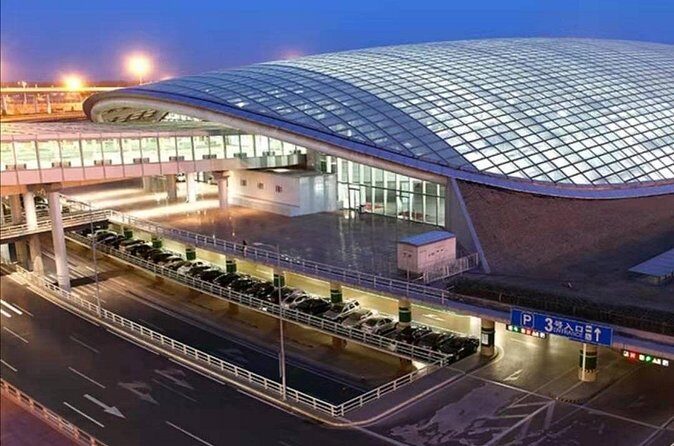
Your trip starts at Capital Airport Shunyi (meeting point listed), with pickup arranged and a start time of 9:00 am. On arrival, your guide meets you and transfers you to the hotel—then you’re free to relax or do some light self-exploration with guidance from your host.
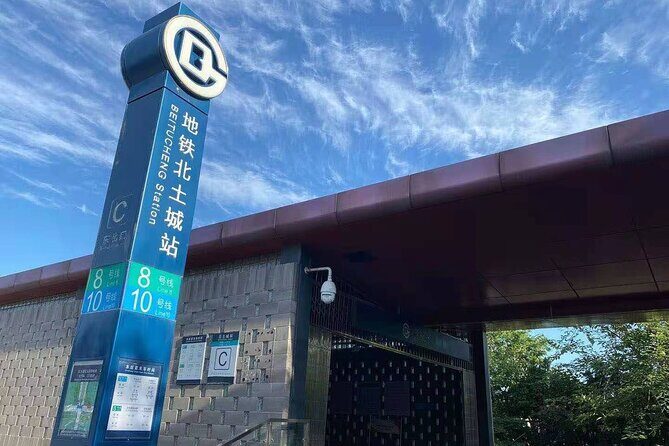
That matters more than you’d think. After a long flight, your biggest risk is wasting your first hours on confusion: figuring out where to buy essentials, figuring out the subway, trying to pick a direction. Here, you get your bearings fast, and the rest of the first day stays low-pressure.
Tiananmen Square to the Forbidden City: power, symbolism, and practical pacing
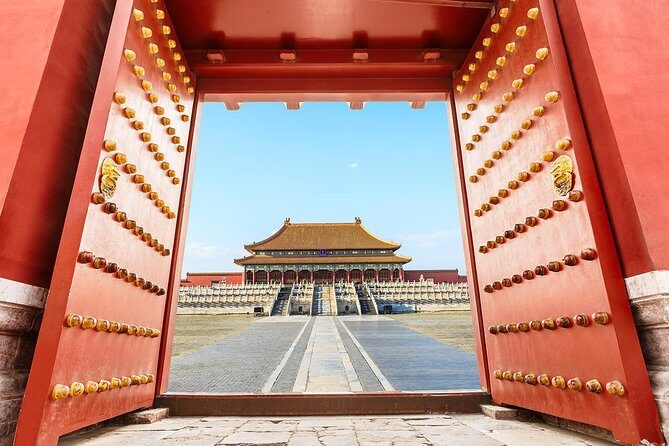
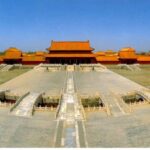
One morning begins at Tiananmen Square, a massive urban space where you really get the scale of modern Beijing’s central axis. It’s quick—just long enough to take in the space and get oriented before you head into the palace complex.
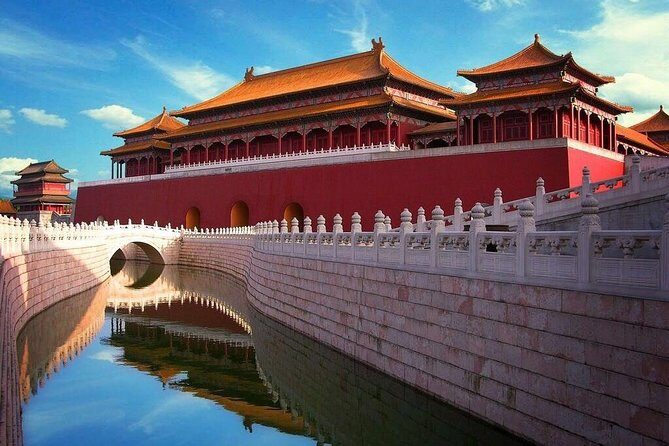
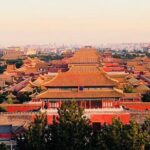
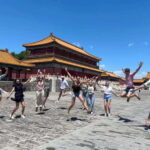
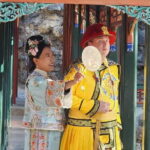
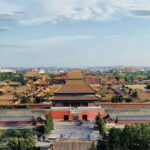
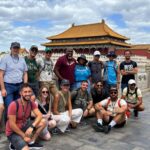
Then you go straight into the Forbidden City (the Palace Museum). This is where a guide earns their keep. You’re not just walking halls—you’re learning how the emperor lived and handled affairs, while also noticing art treasures you might otherwise miss. The tour also includes a welcome lunch (valued at CNY150 per person), so you’re not scrambling for food halfway through the museum.
Possible consideration: the Forbidden City is big, and it’s easy to feel rushed if you’re trying to see everything on your own. With a guided flow, you still cover the core highlights, but you should expect a steady walking pace.
Lama Temple and Temple of Heaven: two different spiritual moods in one day
In the afternoon, you visit Lama Temple (Yonghegong), an imperial lamasery that’s been standing for over 300 years and blends Han, Mongolian, and Tibetan architectural influences. If you like religious history that feels human—spaces shaped by different cultures over time—this stop has a natural sense of calm.
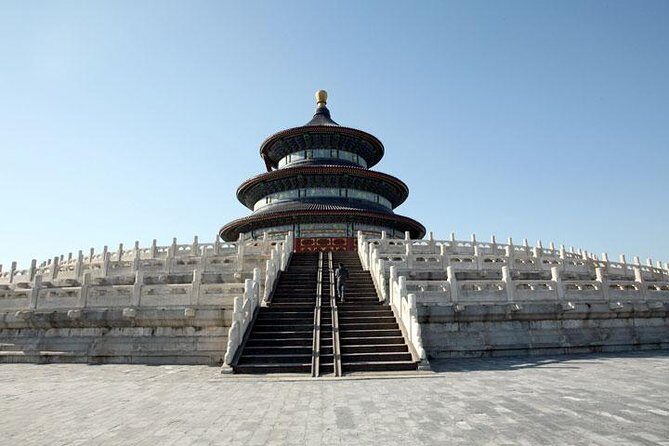
After that comes the Temple of Heaven, tied to the way emperors worshiped the heavens for good harvests. The architecture here is distinctive, and even if you’re not studying it like a scholar, you’ll feel the intention in how the grounds and structures align.
This combination works well because it shifts your perspective. You go from imperial governance symbols to sacred space design—same city, different emotional tone.
Mutianyu Great Wall and hutong rickshaws: views plus the real old-city texture
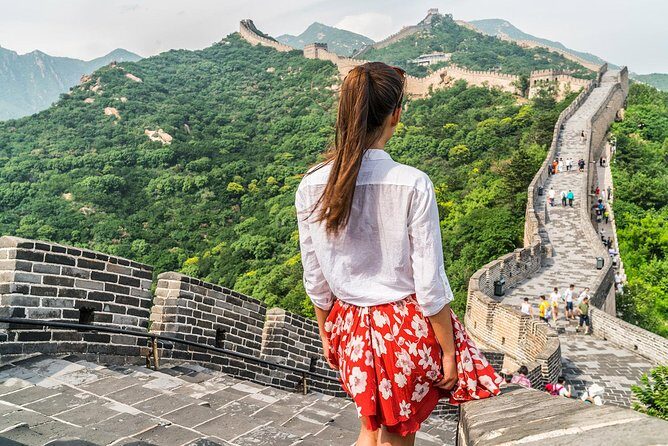
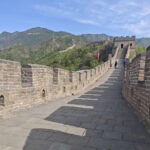
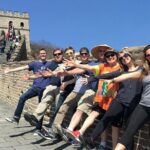
The Great Wall day is often the reason people book this route, and this one doesn’t waste time. You go to Mutianyu Great Wall, and the plan includes a round-trip cable car arranged for you. That’s a big deal for comfort and energy. Standing on the Wall with it stretching away gives you the classic, lifelong-view feeling—without requiring you to start with the steepest climb.
Back in Beijing, you add a hutong tour by rickshaw. Hutongs are the older alley neighborhoods, and this part matters because it gives you more than photos. You get to see the lanes as lived space, and there’s even a chance for a family visit—small, local, and the kind of moment that makes the big monuments feel grounded.
Practical note: the Walking + stairs + weather combo can hit differently depending on the season. If you’re traveling when it’s hot or cold, you’ll appreciate having set transportation and a guide to keep the plan moving.
Bird’s Nest photos and Summer Palace: modern Beijing brief, then imperial garden time
Later, you drive by the Olympic National Stadium, also called the Bird’s Nest. You won’t be touring inside—this is mainly a photo stop from a distance—but it’s a nice contrast after days of ancient architecture.
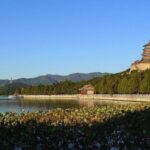
Then you shift to Summer Palace (Yiheyuan), described as the largest existing imperial garden. The experience here is built for strolling and lingering. Two hours gives you time to enjoy the garden layout and key constructions without feeling like you’re speed-running a park.
If you like your history with open air, this is the kind of break that prevents museum fatigue. It also sets you up for the next big move: leaving Beijing.
The move to Xi’an: high-speed train time used for transit, not stress
After the Summer Palace, you transfer to Xi’an by a 5-hour high-speed train. Your local guide and driver meet you at Xi’an North Railway Station, then you check into your hotel.
This is where this trip’s “all-inclusive style” approach pays off. Train days can be exhausting if you’re handling it on your own—wrong platform, wrong ticket, confusing station transfers. Here, you get a guided handoff so you arrive ready to start the next city.
Terracotta Warriors day in Xi’an: museum focus plus a hands-on clay break
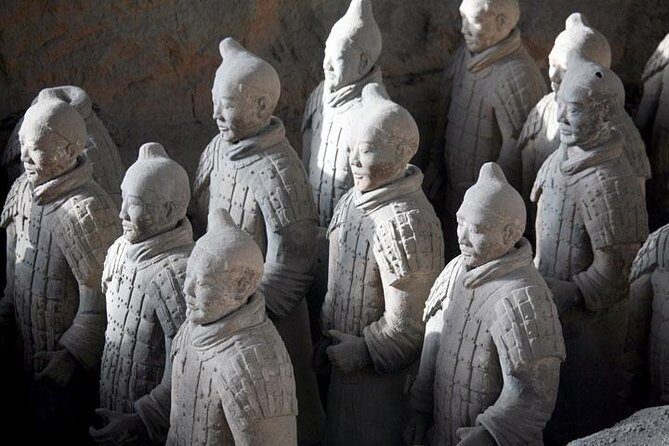
Xi’an’s highlight is the Museum of Qin Terra-cotta Warriors and Horses. The visit covers three excavated pits and the scale of the collection. This is one of those sights where the guide’s framing helps: you’re not just looking at figures—you’re seeing ancient weapons and understanding the larger story behind the discovery.
Lunch is on your own, but your guide helps recommend places near the site based on what you like. That’s a small detail, yet it’s exactly the type of help that keeps you from wasting time searching while hungry.
Then the day adds something you won’t get from a standard “stand and snap” visit: you get a family visit related to the first discoverer of the Terracotta Army, and you make a mini clay warrior with help from a local artisan. That workshop element turns the day from purely visual into something you carry home.
Big Wild Goose Pagoda and Ever-Bright City: Tang dynasty flavor with free time
After the Terracotta Warriors, you visit Big Wild Goose Pagoda (Dayanta), built in the Tang Dynasty to store Buddhist scriptures brought from ancient India. It’s a focused historical stop with a clear purpose, and it pairs well with the Qin-era morning because it gives you chronological variety.
Later, you have time at Grand Tang Dynasty Ever Bright City, a pedestrian street where you can watch cultural street performances and see people in traditional-style costumes. You also get a short window of free time, so you can wander at your own pace.
If you’re sensitive to crowded pedestrian areas, keep expectations realistic. This is one of those places designed for foot traffic.
Xi’an City Wall and the Great Mosque: fortifications and a different cultural quarter
The next morning starts with a relaxed look at City Wall Park, then you visit the Xi’an City Wall, described as the most complete existing urban fortification in China. If you want an extra push, you can rent a bike (bike rental fee not included) and ride part of the wall. It’s one of those activities where the effort feels worth it because the wall gives you an elevated sense of how Xi’an spreads.
Then you head to the Great Mosque of Xi’an, a relic where Chinese traditional forms and Islamic architectural styles blend. After that, you explore the Muslim Quarter around the mosque, with time to browse a lively bazaar for snacks and handicrafts.
This combo helps you balance the city. You get military-age architecture and everyday street life, not just monuments.
Flying to Shanghai: the reset that keeps your trip from dragging
After Xi’an, you fly to Shanghai. You’re taken to the airport, then your local guide greets you at arrival and drives you to the hotel.
This is another place where the plan’s structure helps you. Flying between cities reduces wasted hours that would otherwise go to ground transit, and Shanghai’s sightseeing is best when you’re fresh.
Shanghai Museum and Yu Garden: art and classical design in a tidy day
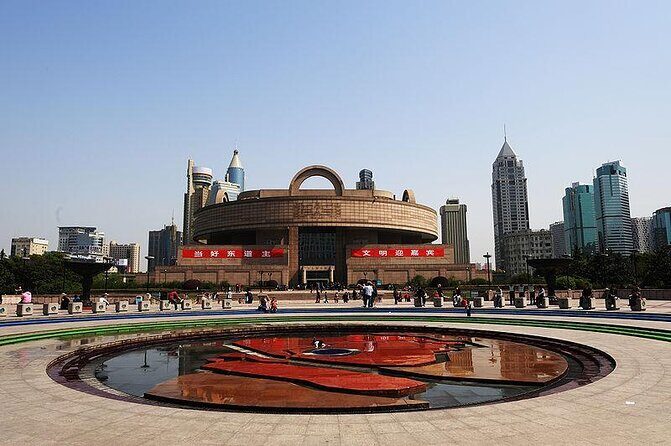
Shanghai has a way of feeling modern fast, so you start with culture that reaches backward. The Shanghai Museum is included, and it specializes in artworks from ancient times. It’s one of the four largest museums in China, which can be intimidating, but your guide makes it more manageable by focusing you on what’s most relevant.
Then you head to Yu Garden (Yuyuan). The standout details include the Nine Zigzag Bridge made with granite and the grass-white jade look, plus a mid-lake pavilion. Yu Garden works well if you like the kind of design where small features matter.
You also get a farewell-style lunch (valued at CNY150 per person and included), which is a thoughtful touch. It means you’re fed without having to make dinner plans later.
Huangpu River cruise and the Bund: a one-hour view of Shanghai’s mood
An included 1-hour cruise on the Huangpu River gives you a visual timeline of Shanghai—called the mother river of the city—where different eras show up in the skyline and waterfront design. It’s not a “tour boat forever” situation. It’s a contained time window that still changes how you understand the city.
Afterward, you get free time around the Bund (Wai Tan). This is your time to find a good riverside spot, take photos, and just watch the city move.
Tianzifang: finishing with artsy lanes instead of another big-ticket gate
Your last stop in Shanghai is Tianzifang, a traditional street known for arts and crafts. The time here is shorter, but it’s a nice way to end. Instead of another major monument, you’re closing with neighborhood-style creativity—something easy to enjoy even if you’re a little tired.
Meals, hotels, and included tickets: what you should expect on the ground
Here’s what the package explicitly includes:
- 8 nights of 5-star hotel accommodation with breakfast
- Entrance fees to the listed sites
- One-way high-speed train (Beijing to Xi’an)
- One-way economy flight (Xi’an to Shanghai)
- A professional guide and experienced driver
- Air-conditioned vehicle transfers
- Two bottled waters per person per day
- Breakfast (7) and Lunch (3)
You’ll want to remember that lunch is not fully free every day. For example, lunch is on your own during the Great Wall day and the Terracotta Warriors day. Your guide can help point you to options, but those meals won’t be automatically covered.
Price and logistics: who this feels worth it for
At $2,169 per person, you’re paying for convenience plus access. You’re not just buying a list of sights—you’re buying:
- Private, guided navigation through places that can be slow if you’re figuring things out
- Transport between three distant cities (train + flight)
- Admissions included, which adds up fast in China
This tour tends to fit best if you:
- Want the biggest sights in one trip without stitching together details yourself
- Prefer a private guide over self-guided wandering
- Like structured days but still appreciate a little free time (like the Bund and Tianzifang)
It might feel less perfect if you:
- Want total flexibility every hour
- Hate any walking and prefer long, sit-down breaks all day
- Are hoping for fully included meals every single day
Should you book this private China tour?
If your goal is to see Beijing, Xi’an, and Shanghai’s headline sights with minimal friction, I’d say this is a strong option. The plan has clear payoffs—Mutianyu Great Wall, the Forbidden City, Terracotta Warriors, and Shanghai by river—and the private setup helps you keep the pace humane.
Book it if you value smooth transfers and included tickets more than you value unplanned freedom. If you like to control every detail, you might find parts of it feel structured. But if you want China to feel like a well-run itinerary instead of a daily puzzle, this private loop is built for that.
FAQ
Where does the tour start, and what time?
The tour meets at Capital Airport Shunyi, Beijing 101300 China, with a start time of 9:00 am.
Is this a private tour?
Yes. It’s listed as a private tour/activity, so only your group participates.
What transport is included between cities?
You get a one-way high-speed train from Beijing to Xi’an and a one-way economy-class airfare from Xi’an to Shanghai. You also use coach and air-conditioned vehicles for city transfers.
Are entrance tickets included?
Yes—entrance fees to tourist sites are included for the stops listed in the tour.
How many hotel nights are included?
You get 8 nights of 5-star hotel accommodation, with breakfast included.
What meals are included?
The tour includes breakfast (7) and lunch (3). Some lunches are explicitly listed as included, while other lunches are on your own (your guide can recommend options nearby).
What should I provide when booking?
You’ll need to provide passport name, number, expiry, and country for all participants. A current valid passport is required on the day of travel.
Can I change or cancel after booking?
This experience is listed as non-refundable and cannot be changed for any reason. If you cancel or ask for an amendment, the amount paid won’t be refunded.