REVIEW · BEIJING
2-Hour “Ancient & Modern” Beijing Sidecar Tour (Day /Night)
Book on Viator →Operated by Beijing Sidecar Tours · Bookable on Viator
Two Beijings in one ride. This Ancient & Modern Beijing sidecar tour stitches together the old-life hutongs and the gleaming CBD, with quick stops for photos and small tastes of daily Beijing. I like that it stays practical—short on-paper visits, lots of window time, and simple logistics like helmets, water, and rain gear—and I also like the way the route pairs iconic landmarks with lived-in backstreets. One consideration: it’s weather-dependent, so if conditions are poor, the operator may shift dates rather than run it.
The vibe is part sightseeing, part street-level experience. You’ll ride a motorcycle sidecar through central areas, then slip into narrow alleyways where the city feels closer and slower. You also get breaks built in for drinks and photos, which makes the whole thing feel less like a checklist.
I’m especially taken with the smart pacing: you see big “must” buildings fast, but you’re not stuck in long lines or waiting around. Still, since the whole ride is about two hours, you’re not getting deep museum time at any single site.
In This Review
- Key Things to Know Before You Go
- Why a Sidecar Tour Makes Sense for Beijing Day and Night
- Price and What You’re Getting for $89
- How the Tour Actually Runs: Route Logic in 2 Hours
- The Meeting Point: National Art Museum of China Start
- Bell and Drum Towers: Central Axis Energy in Five Minutes
- Shichahai and Houhai Lakes: Drinks, Views, and a Slower Moment
- North Gate of the Forbidden City: Watching from the Moat Side
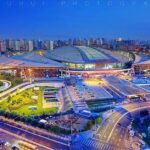
- Beijing Workers’ Stadium: A Modern City Anchor
- CCTV New Mansion in the CBD: Seeing Beijing’s New Vertical Identity
- Ming City Wall Park: The Old Wall Piece You Can Actually See
- Riding Comfort, Seat Switching, and What’s Included
- Who This Tour Fits Best
- Should You Book This Sidecar Tour?
- FAQ
- How long is the 2-Hour Ancient & Modern Beijing Sidecar Tour?
- Is pickup included?
- What’s included in the price?
- How many people ride per sidecar?
- Are there admission fees at the stops?
- What kind of ticket do I need?
- Is the tour run in bad weather?
- Is this a private tour?
Key Things to Know Before You Go
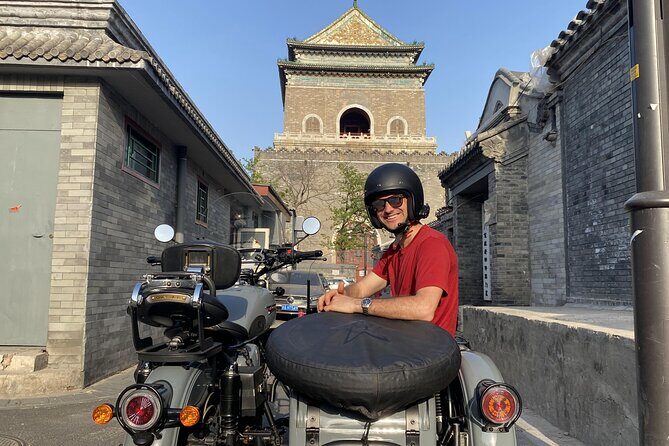
- Sidecar seating and a seat switch: two passengers per sidecar, with the option to switch half way
- Short, high-value stops: many locations are free and timed for photos rather than long visits
- Hutongs plus Beijing’s modern core: you’ll see both the alleys and the CBD in one loop
- Drinks during the scenic stretch: ride along Houhai lakes with included refreshments
- Photo-friendly landmarks: Bell and Drum Towers, CCTV area, and the Forbidden City north-side viewing are built for quick shots
- Weather matters: it’s designed for good conditions, with a raincoat included if you get surprised
Why a Sidecar Tour Makes Sense for Beijing Day and Night
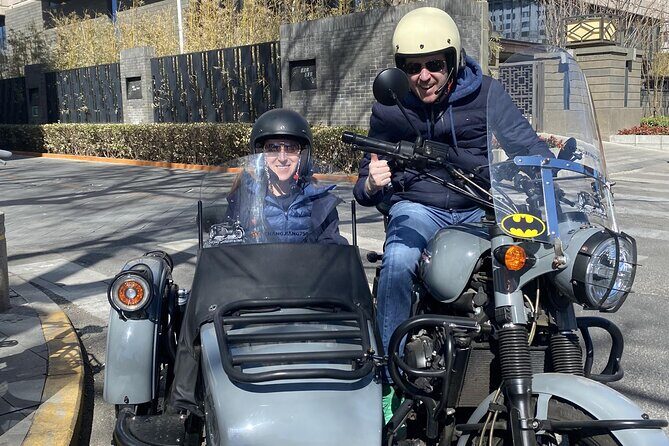
Beijing can feel like two cities at once. You’ve got the grand, formal axis of palaces and towers, and then you’ve got modern glass-and-steel districts with skyscrapers that seem built for a different century. This tour works because it treats that contrast as the point, not a problem to schedule around.
The sidecar format is also a cheat code. You don’t lose your energy climbing in and out of cars for every view. You get that street-level speed and height—close enough to feel the neighborhood, far enough to keep moving. For a first look at the city, it’s a way to get your bearings fast without spending your whole day in traffic.
If you go during the day, you’ll catch crisp views and easier photos of stone-and-brick landmarks. If you go at night, you’ll trade some daylight clarity for the mood and lighting that make modern Beijing look even more futuristic. Either way, the tour’s built-in snack and drink breaks help you stay comfortable during the ride.
You can also read our reviews of more evening experiences in Beijing

Price and What You’re Getting for $89
At $89 per person for about two hours, this tour isn’t trying to be the cheapest thing on the map. But it’s not just a ride, either. You’re paying for a set route with a professional driver/guide, plus the extras that make it smoother than a self-planned loop.
Here’s what’s included that actually adds value:
- Helmets for safety and comfort
- Bottled water
- Raincoat in case the weather turns
- Phone charge cable
- Beijing special snacks
- Hot coffee or tea in winter, cold soda or beer in summer (season-based)
- Built-in photo stops, rather than random sightseeing detours
And the route is designed around landmark density. You’re not spending your entire window commuting between one far-away spot and the next. You’re moving through central and modern Beijing, then cutting into hutongs for the lived-in feeling.
One more value point: it’s listed as a private tour/activity for your group. That matters because sidecar experiences are way more enjoyable when you’re not stuck working around lots of strangers.
How the Tour Actually Runs: Route Logic in 2 Hours
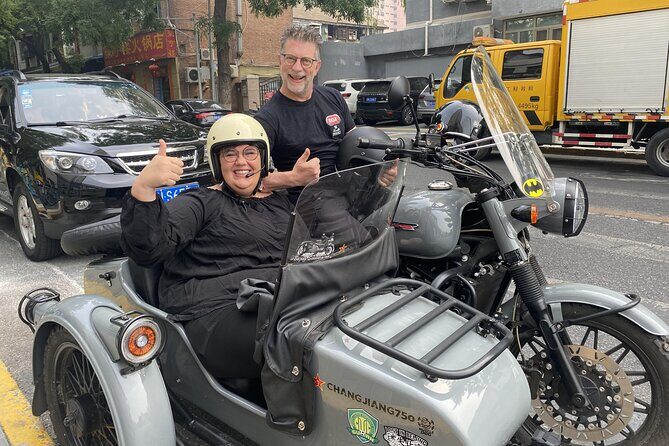
This is a loop that mixes “big official sights” and “real neighborhood lanes.” You start in a central, easy-to-access area near the National Art Museum of China, then the tour threads through:
- the central-axis landmarks (Bell and Drum Towers)
- the lakeside scenery around Houhai
- a north-gate look at the Forbidden City complex
- a major modern stadium reference point
- the CBD’s flagship buildings, including CCTV’s new headquarters area
- a surviving section of the old Ming-era city wall line at Ming City Wall Park
Then you return to the meeting point.
The time math matters. Each main stop is short—typically 5 to 15 minutes—so you’ll see a lot of variety without feeling stuck at one site. Think of it as guided orientation with photo ops, not a slow, sit-down tour.
The Meeting Point: National Art Museum of China Start
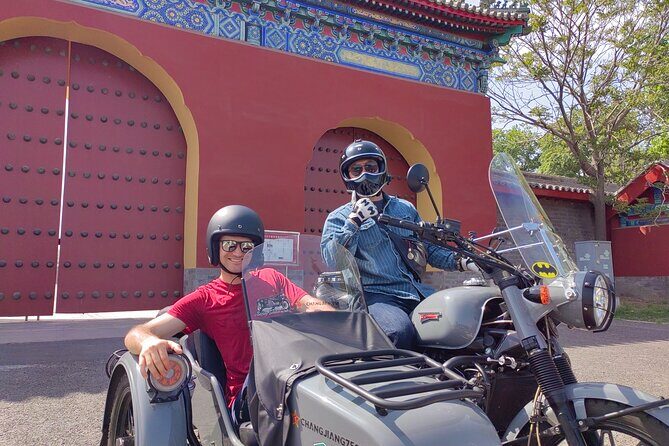
The tour meets at National Art Museum of China, and it ends back at the same spot. That makes planning less stressful because you’re not trying to navigate to a different neighborhood after two hours in motion.
Pickup is also offered, which is important in Beijing. Getting across the city by yourself can cost time and energy, especially when you’re also trying to manage where you’ll stand for photos. If pickup is available where you’re staying, it’s the simpler way to start.
One thing I’d consider: because the route includes both central sites and narrow alleyways, you’ll want to be ready to move quickly when the guide says it’s time to stop, shoot, and roll.
Bell and Drum Towers: Central Axis Energy in Five Minutes
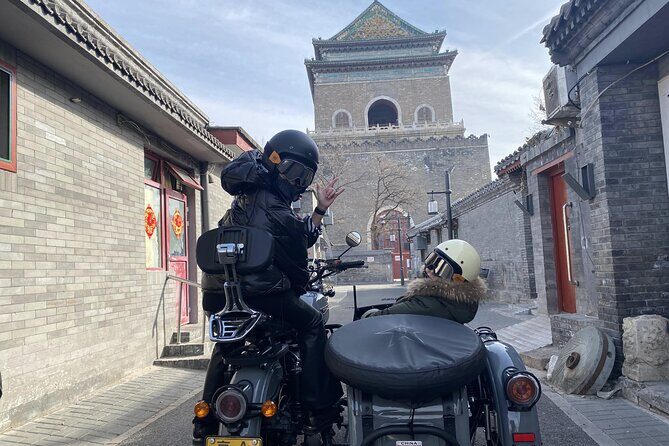
This stop is brief but meaningful. The Bell and Drum Towers are two key landmark buildings on Beijing’s central axis, and they’re exactly the kind of place where you instantly understand the city’s old planning logic. They’re also a well-known check-in spot, so the photo angle game is strong here.
You get about 5 minutes, and admission is free for this stop. That’s a good sign for value: you’re not paying extra to stand in line. You’re there for the look, the symmetry, and the quick historical “anchor” before the tour moves into the everyday parts of the city.
Potential drawback: because it’s short, you’ll want to decide your best photo spots quickly. If you’re hoping for a long, unhurried look like you might do at a museum, this isn’t that stop.
You can also read our reviews of more tours and experiences in Beijing
Shichahai and Houhai Lakes: Drinks, Views, and a Slower Moment
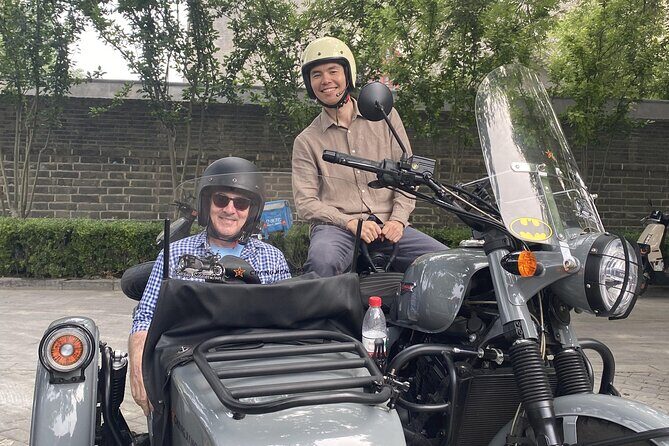
Then the tour turns toward the Shichahai Scenic Resort area, with a ride along Houhai lakes. This is where the experience shifts from “landmark sprint” to “scenery with a pause.”
You’ll get about 15 minutes, and this stop is also free. The tour includes drinks here, which is practical as well as enjoyable. It turns a rideside photo stop into a real break, especially if you’re doing this on a warm or cold day.
What makes this stretch feel special is how the water gives you perspective. Even when you’re not stopping for a long walk, the lakeside views help you see Beijing as more layered than just buildings and roads. You also get a nice contrast after the central-axis towers—less formal, more everyday.
If you’re prone to getting motion-sick, this kind of scenic slower stop can feel easier than constant turning. Still, it’s a ride, so bring patience and a steady gaze.
North Gate of the Forbidden City: Watching from the Moat Side
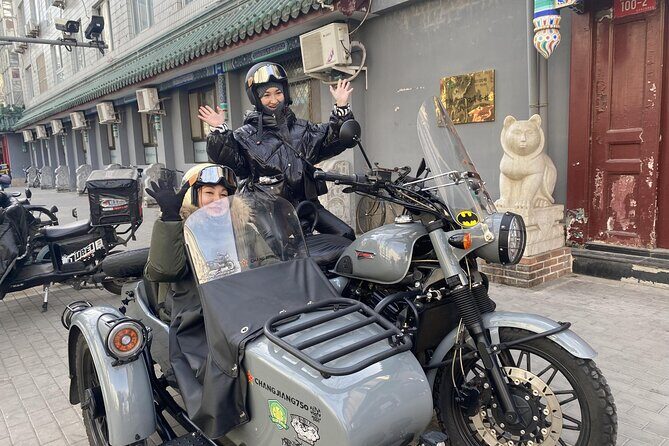
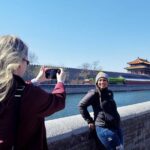
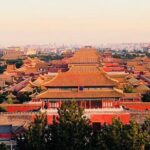
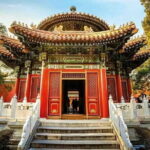
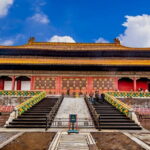
You’ll also see the north gate of the Forbidden City area, with routes that pass through the moat and the watching tower context. The tour doesn’t position this as a full Forbidden City visit, but as a quick, visual way to connect the story of the complex to what you can actually see from the surrounding roads and viewpoints.
This is a “from the outside” experience, which is both a strength and a limitation. The strength: in two hours, you get the connection point without losing time to entry, security lines, and long walking loops. The limitation: if you want to read every corner of the site or spend hours inside, you’ll still need a separate day for the palace grounds.
Best use: arrive ready for photos and for the feeling of scale. Even at a distance, the north side presence is striking, and the moat angle gives you a sense of the defensive geography that made the complex stand apart.
Beijing Workers’ Stadium: A Modern City Anchor
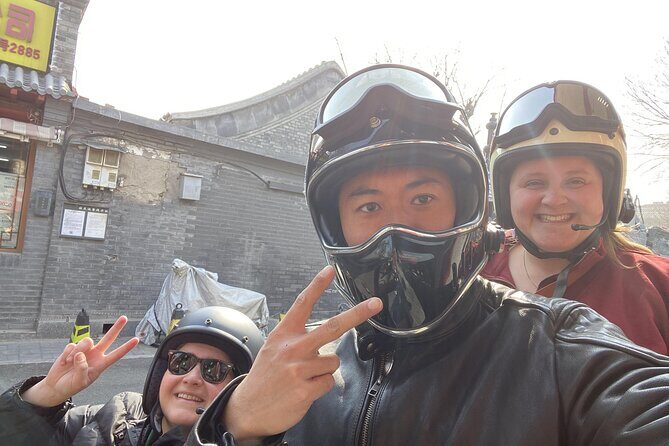
Next up: Beijing Workers’ Stadium. You’ll get around 5 minutes, and admission is listed as free for this stop.
This is a quick detour into Beijing’s modern identity—less imperial, more contemporary. The tour frames it as a landmark, and also notes it as the newer stadium home reference for Beijing football. Even if you aren’t a sports superfan, it’s helpful context: it shows how the city’s “public life” moved from ancient ceremonial centers to modern gathering spaces.
Photo-wise, this kind of stop can be easy: you’re shooting architecture and signage from a moving route. But again, since it’s short, don’t count on a deep architectural appreciation session. Treat it as a marker in the larger route.
CCTV New Mansion in the CBD: Seeing Beijing’s New Vertical Identity
The CCTV New Mansion stop is in the Central Business District. You get about 5 minutes, free entry listed, and the focus is on the well-known CCTV building and the idea of a “tallest building in Beijing” reference point.
This is where the tour completes its ancient-versus-modern promise. After hutongs and lake views, you hit a city skyline moment. It’s also a practical photo stop because the CBD gives you wide angles quickly—often the hardest part of urban photography is finding a place to stand. Here, the stop format is designed for quick positioning.
One consideration: CBD traffic and crowds can vary by time. Even without long walking, you’ll want to keep your phone ready and your plans flexible if the route slows.
Ming City Wall Park: The Old Wall Piece You Can Actually See
The last major stop is Site of Ming City Wall Park, described as the only existing section of the original Beijing inter-city wall. You get about 15 minutes, free admission listed.
This stop matters because it’s a tangible leftover. Many cities tell you about their past mostly through stories and reconstructions. Here, you’re seeing an actual surviving segment and getting a physical sense of how the city once separated areas and controlled movement.
The timing works too. Fifteen minutes is long enough to walk to viewpoints and take a few decent photos, but short enough to keep the tour’s momentum. It’s also a nice closing note: you end on a piece of old Beijing that doesn’t require you to enter another paid site to feel the connection.
Riding Comfort, Seat Switching, and What’s Included
Sidecar riding has a learning curve, but the tour tries to smooth it out with basic comforts.
You’ll receive:
- Helmets
- Bottled water
- Raincoat
- A phone charge cable
- Snacks
- Coffee/tea or soda/beer depending on season
You’re also not stuck with one seat forever. The setup is two passengers in one sidecar: one in the sidecar and one behind the driver. The tour notes you can switch half way possible, which is a smart way to balance views and comfort.
Practical advice for you:
- Wear something you can handle on a moving ride, including wind exposure.
- Keep your phone secure while riding, because you’ll want it fast for photos at each stop.
- Take the drink breaks as planned. They’re timed, not random, and that helps you stay comfortable during stop-and-go motion.
And yes, the operator includes a built-in “feel-local” angle. Narrow hutong lanes can be noisy and close, but that’s also what makes it feel like real Beijing rather than just a scenic drive.
Who This Tour Fits Best
This sidecar experience is ideal if you want:
- A fast introduction to Beijing’s contrast: hutongs and the CBD
- A photo-focused route without long waiting
- A comfortable, guided ride with safety gear and refreshments
- A small, private group feel
It also works well as a first-day activity. Not because it replaces museum days or palace days, but because it helps you understand where everything sits relative to each other. After this, your longer visits make more sense.
If you hate motorbike-style motion, or you want slow, sit-down time at one major monument, you might be happier with a different format. This one is about movement and quick stops.
Should You Book This Sidecar Tour?
If your goal is to see a lot of Beijing in a short window, and you like the idea of two hours that feel like a guided street-level circuit, I’d say book it. The value is strong when you factor in helmets, raincoat, water, snacks, and the drink stops, plus the fact that multiple major sights here are listed as free.
Book it sooner in your trip if you can. The hutong-to-CBD mix is exactly what helps you plan the rest of your days.
Skip it only if you need long admissions, quiet museum time, or you’re traveling during weather likely to be poor. Since the experience requires good weather, your best bet is to pair it with flexible plans.
FAQ
How long is the 2-Hour Ancient & Modern Beijing Sidecar Tour?
It’s listed at about 2 hours.
Is pickup included?
Pickup is offered. The tour also has a set meeting point at National Art Museum of China, and it ends back there.
What’s included in the price?
Helmets, bottled water, a raincoat, a phone charge cable, a professional driver/guide, Beijing special snacks, and seasonal drinks (hot coffee/tea in winter, cold soda/beer in summer).
How many people ride per sidecar?
There are 2 passengers in one sidecar: 1 in the sidecar and 1 behind the driver. Switching half way is possible.
Are there admission fees at the stops?
Many stops listed are free, including Bell and Drum Towers, Shichahai Scenic Resort, Beijing Workers’ Stadium, and CCTV New Mansion. The remaining stop information doesn’t specify paid admissions.
What kind of ticket do I need?
The tour uses a mobile ticket.
Is the tour run in bad weather?
It requires good weather. If it’s canceled due to poor weather, you’ll be offered a different date or a full refund.
Is this a private tour?
Yes, it’s described as private, with only your group participating.