REVIEW · CHENGDU
1-Day Mount Qingcheng and Dujiangyan Irrigation System Tour
Book on GetYourGuide →Operated by Andy's private china tours · Bookable on GetYourGuide
Mount Qingcheng is a great day-trip brain reset. It’s Taoism’s birthplace, with the scenic feel that inspired the Kung Fu Panda movies, plus you pair it with the still-working Dujiangyan irrigation system. I like how the day connects two UNESCO World Heritage sites without you losing hours to logistics, and I really appreciate having real guidance options (private English guide or self-guided with support). One thing to plan for: in busy periods, getting up into Qingcheng can mean long lines for the transport up the mountain.
You’ll start with a hotel pickup in Chengdu at 9:00am, then spend the day balancing temples, caves, and views with a practical, engineering story that shaped Sichuan for 2,000+ years. The pacing is smooth if you pack for weather and don’t rush every photo.
In This Review
- Key points I’d bank on
- Why Qingcheng and Dujiangyan belong together in 1 day
- 9:00am pickup from Chengdu: logistics that keep the day from slipping
- Mount Qingcheng: Front Mountain first, then the cooler (and bigger) Back Mountain
- Front Mountain stops: the Taoist complex that sets the tone
- Back Mountain highlights: views, caves, and myth-flavored names
- The gondola and crowd management: how to keep your day fun
- Dujiangyan Ancient Irrigation System: the engineering story that still matters
- What to look for while you’re there
- Tour formats: private English guide versus self-guided with English support
- Price and value: what $112 covers, and what it doesn’t
- Who should book this tour (and who might not love it)
- Should you book this 1-day Mount Qingcheng and Dujiangyan tour?
- FAQ
- FAQ
- What time does the tour start?
- How long is the full tour?
- Is lunch included?
- Do you visit both UNESCO sites in one day?
- What’s included in the price?
- What language support is available if I choose the self-guided option?
Key points I’d bank on
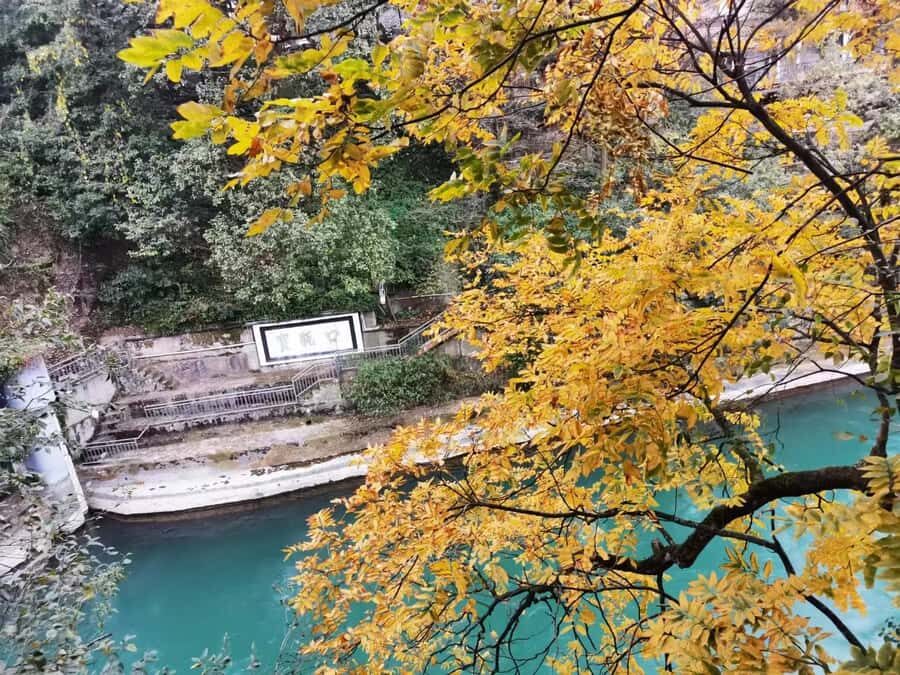
- Two UNESCO sites in one day: Mount Qingcheng plus Dujiangyan, so you get both the spiritual and the practical
- Taoist sights split into Front and Back Mountain: fast entry into the main cluster, then a calmer feel farther out
- A still-functioning 2,200-year irrigation system: Dujiangyan isn’t just old—it actively supports Sichuan
- Guides that explain more than the obvious: reviews highlight strong teaching from guides like Weaver, Mark, and Diana
- Holiday timing can affect lines: one review specifically called out painful waits during Labor Day week (May 1–5)
- Cold winters, cooler summer: Qingcheng’s weather changes fast, so bring layers
Why Qingcheng and Dujiangyan belong together in 1 day
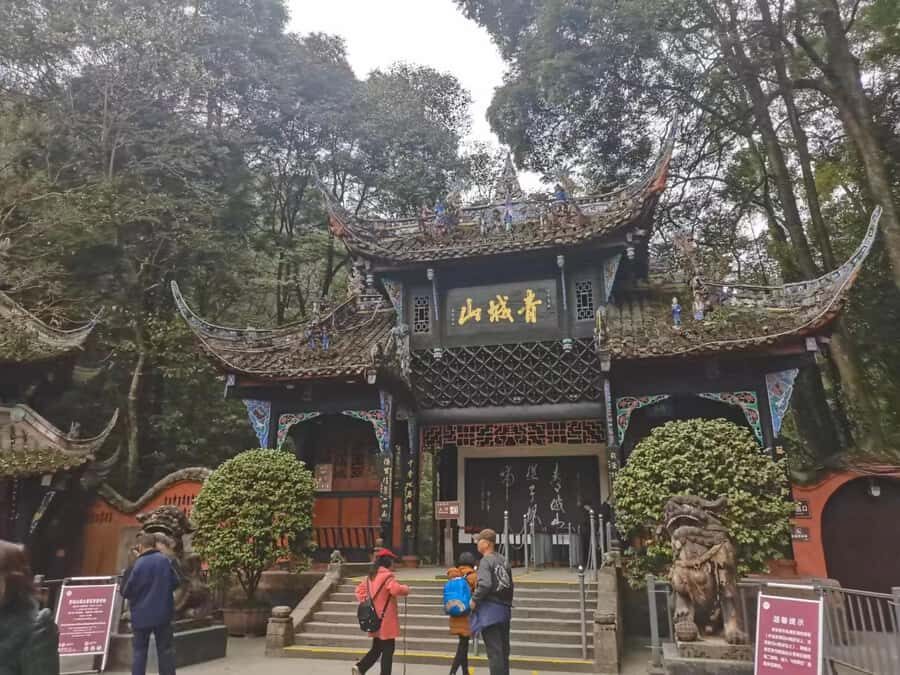
This is one of those rare pairings that makes sense right away. Mount Qingcheng gives you the cultural side: Taoism-linked sites, rock and cave complexes, and the kind of mountain scenery people come back to for years. Dujiangyan gives you the utility side: a human-made system that helped control floods from the Minjiang River and still supports farming today across more than 50 cities in Sichuan.
I like that the day doesn’t feel like you’re bouncing between unrelated stops. Instead, you get the full picture of how Sichuan developed: spiritual life in the mountains, and survival-level engineering in the plain.
And because both are UNESCO World Heritage sites, you’re not guessing whether you’re seeing “the important stuff.” You’re checking major boxes—just with enough time to actually enjoy it.
9:00am pickup from Chengdu: logistics that keep the day from slipping
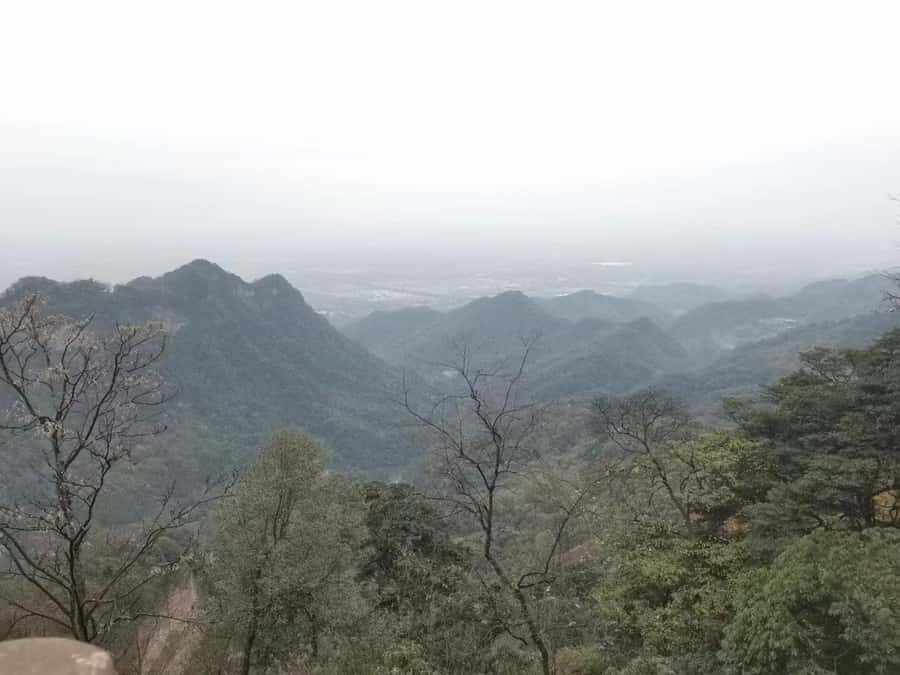
Your day starts with a hotel pickup in downtown Chengdu at 9:00am. You’ll then transfer to Mount Qingcheng—about 80 minutes of driving for roughly 65 km.
That early start matters more than it sounds. Qingcheng’s entrances and mountain transport can get crowded, and your best chance to move smoothly is to arrive before the day turns into a stampede. One review called out extra long waits for the gondola during China’s Labor Day holiday (May 1–5), and the guide gave clear heads-up to help the group manage expectations.
When you book, check how the pickup option is described for your location. The tour offers pickup from downtown Chengdu hotels, with a Sheraton Chengdu Lido Hotel drop-off option also listed.
Mount Qingcheng: Front Mountain first, then the cooler (and bigger) Back Mountain
Mount Qingcheng is split into two parts, and how you use them is the trick to enjoying the day.
- Front Mountain is the main core of the Mount Qingcheng Scenic Area, about 15 square kilometers.
- Back Mountain is much larger, about 100 square kilometers, and it’s often the better choice for a quieter, more nature-focused feel.
The tour plan focuses you on key highlights rather than trying to make you hike the whole mountain. That’s smart. You’re doing two major UNESCO sites in one day, so the goal is to hit the memorable spots without burning your legs or your patience.
Front Mountain stops: the Taoist complex that sets the tone
Front Mountain is where the cultural sites cluster. Expect a mix of historic structures and cave settings, with several famous stops commonly included:
- Natural Drawing
- Jianfu Palace
- Tianshi Cave
- Chaoyang Cave
- Shangqing Palace
I like the way these places give you a sense of Taoism as a living landscape—buildings and caves connected to worship, study, and legends. If you like spiritual architecture or old religious sites, this is the area that gives you the most “this is why people traveled here” feeling quickly.
A practical note: winter can be very cold at Mount Qingcheng. In summer, it’s known as a cool summer resort. Either way, you’ll want layers that you can handle outdoors and then peel off later.
Back Mountain highlights: views, caves, and myth-flavored names
Back Mountain is the bigger area, with attractions that feel more spread out but more atmospheric. Key listed highlights include:
- Golden Cliff and Sky Storehouse
- Goddess Cave
- Clouds Caves
- View of Platform Bridge
If Front Mountain gives you the main cultural storyline, Back Mountain is where the scenery does some storytelling too. Clear streams, forests, and dramatic peaks are part of the appeal here, and these named sites help you understand what you’re seeing rather than just passing by on a bus.
The tradeoff is time. Back Mountain can tempt you to linger, but you still need to keep the day moving to Dujiangyan. If you’re the type who likes to stand and read every plaque, set yourself a reasonable limit—otherwise you’ll sprint at the end.
The gondola and crowd management: how to keep your day fun
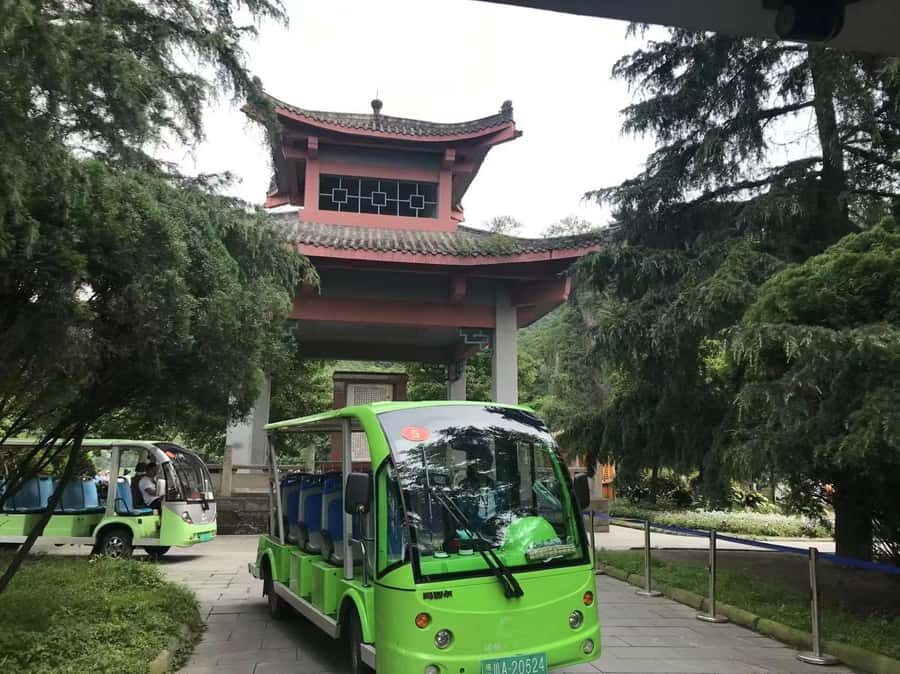
One of the most practical issues on this tour is not the sights—it’s the line situation.
Mount Qingcheng can be busy, especially around public holidays. One review specifically mentioned that the lines for the gondola up to the mountain felt painfully long during China’s Labor Day holiday (May 1–5). The guide’s job in those moments is to protect your energy: timing decisions, clear warnings, and patience-building instructions.
So here’s how I’d handle it:
- Don’t treat the gondola line like a minor inconvenience. Mentally budget for it.
- If you’re traveling during a holiday, arrive with the mindset that the day might run slower than usual.
- Wear shoes you can stand in. Waiting hurts less when your feet aren’t begging for mercy.
Even with good planning, crowd flow is crowd flow. But the tour’s format—private car, guided support, and a defined day—keeps you from turning the day into an unplanned queue marathon.
Dujiangyan Ancient Irrigation System: the engineering story that still matters
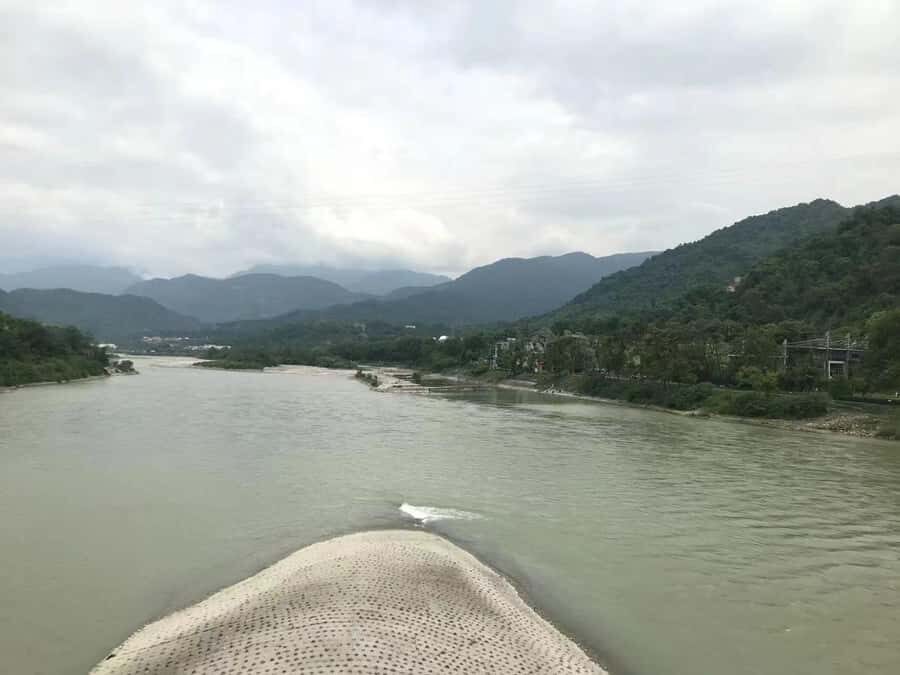
Then you shift gears. Dujiangyan isn’t about climbing to a temple on a cliff. It’s about systems—flood control, irrigation, and how people survived in a river-driven world.
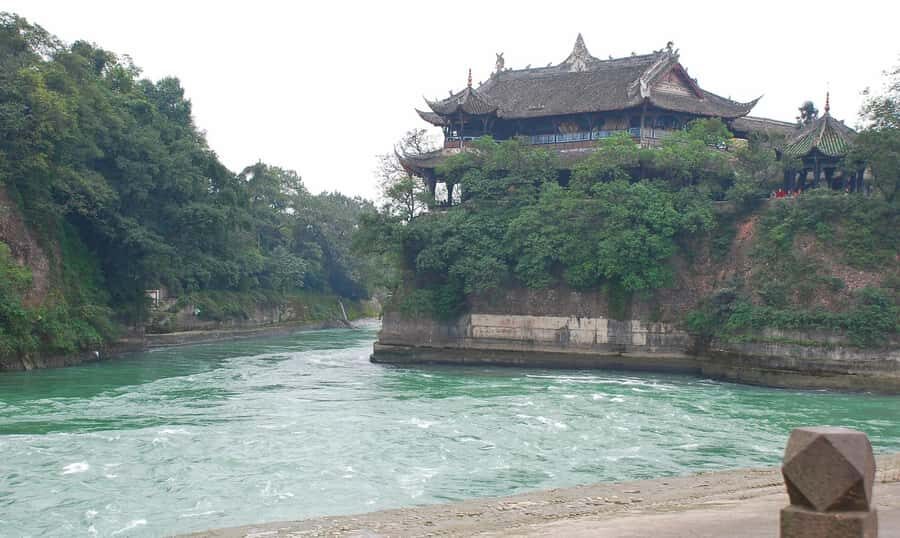
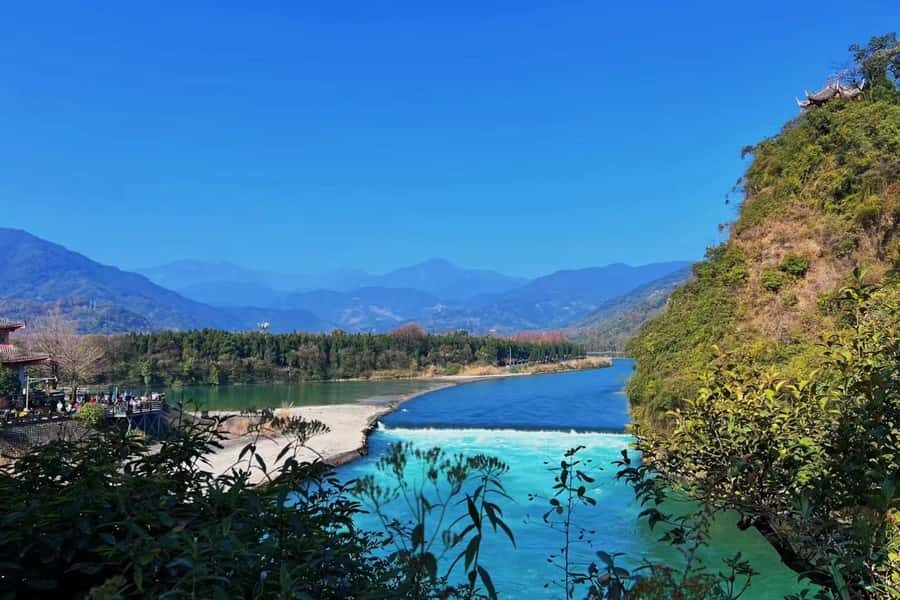
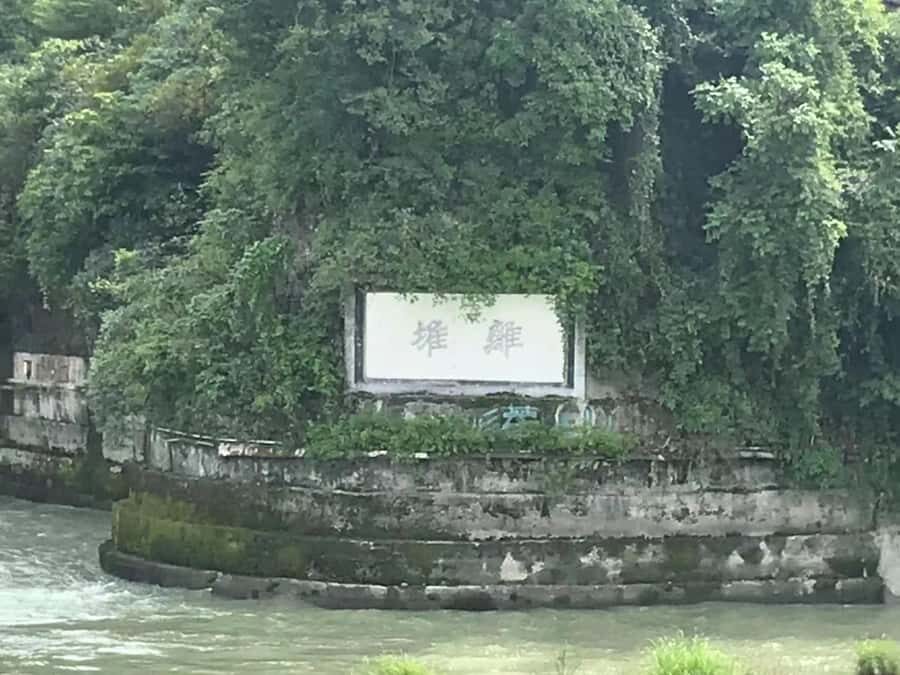
You travel about 30 minutes from Mount Qingcheng to Dujiangyan. Once there, the main draw is the Dujiangyan Ancient Irrigation System, described as the oldest surviving irrigation system in the world.
Here’s the core story you’ll get on-site:
- About 2,200 years ago, Chengdu faced frequent floods from the Minjiang River.
- Local officials of the Shu state, including Li Bing, along with his son, helped plan a solution.
- After years of study and hard work, the irrigation system was completed.
- Today it still helps drain floodwater, irrigate farms, and provide water resources for more than 50 cities in Sichuan province.
That last part is why this stop feels different from typical “old ruins” tourism. You’re not just admiring a historical artifact—you’re seeing how a long-lasting system can shape daily life for generations.
What to look for while you’re there
You don’t have to be an engineer to get it. I’d focus on three things:
- The way the system channels and controls water
- The scale of how it was meant to work across seasons
- The practical logic behind the layout—how it turns flooding into a manageable resource
A good guide makes a huge difference here. Reviews praise guides like Weaver, Mark, and Diana for explaining both the irrigation system and the broader context of China’s history and everyday life. If you’re doing the private English-guided option, you’ll likely get more out of Dujiangyan than if you show up just reading signs.
Tour formats: private English guide versus self-guided with English support
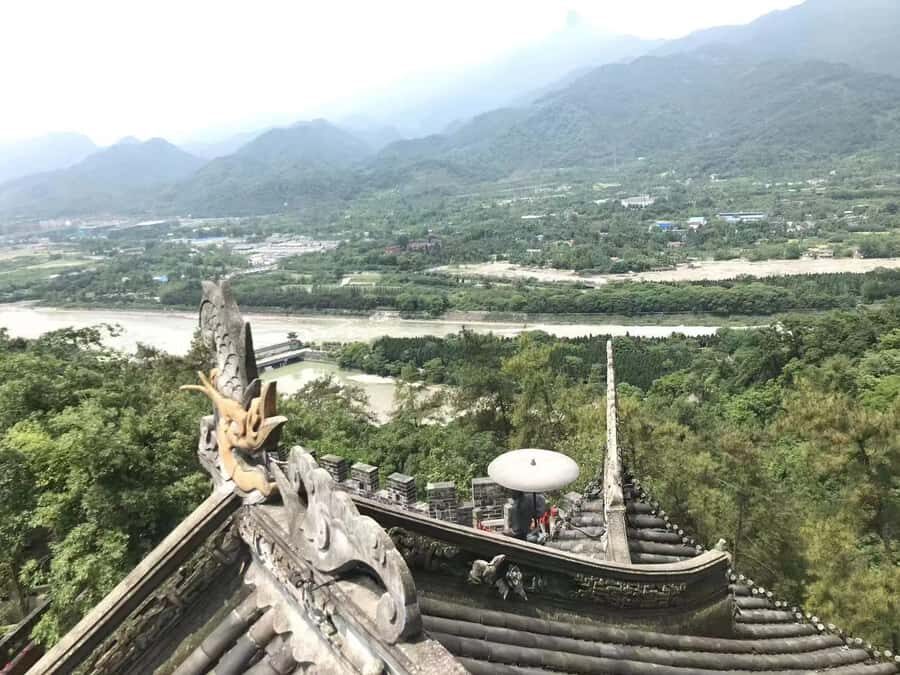
The tour is set up with flexibility, and that’s a real value-add.
If you choose the private guided option, you get a private English-speaking tour guide and a private A/C car. This tends to work best when you want interpretation—especially for cave-temple sites and the water-engineering logic at Dujiangyan.
If you choose the self-guided option, it’s not truly solo. You get:
- A driver who speaks Chinese only
- A translate app
- An English-speaking support team
That support detail matters. Self-guided doesn’t automatically mean self-reliant. It can be a helpful middle ground when you want flexibility but still want someone to help smooth the edges.
Price and value: what $112 covers, and what it doesn’t
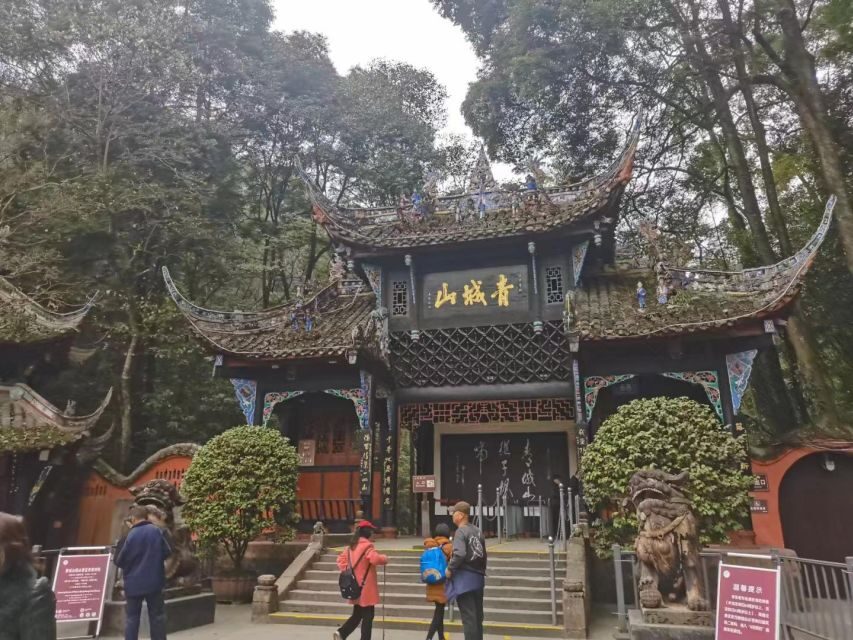
At $112 per person for an 8–9 hour day, the biggest value is what you’re buying besides sightseeing: time and smooth transport.
Included:
- Hotel pick-up and drop-off
- Private A/C car
- Entrance tickets
- Either a private English-speaking guide (depending on option) or self-guided support structure
Not included:
- Lunch
So where does the money go? Mostly into convenience and access. Two UNESCO sites in one day is hard to pull off on your own without careful routing. This tour solves that for you: door-to-door transport, tickets handled, and a guide (or support) to keep you from spending your mental energy on navigation.
The only real budget bump to plan for is lunch. If you dislike hunting for food after a long drive, consider bringing a simple plan: either look for a nearby lunch spot that fits your schedule, or budget time to stop once you wrap Dujiangyan.
Who should book this tour (and who might not love it)
This is a good fit if you:
- Want UNESCO highlights without doing complicated logistics
- Like a mix of culture and practical history
- Prefer a structured day with transport already handled
- Enjoy learning from guides who can connect sites to everyday life and broader context
It may feel less ideal if you:
- Want a super slow, long-hike day on Mount Qingcheng. This is built for coverage, not wandering for hours.
- Hate crowds during holiday periods. Lines can be rough, especially around peak travel weeks.
- Are extremely sensitive to cold or standing outdoors. Qingcheng can be very cold in winter, so pack smart.
Also, there’s a note that half-day tours can’t enter monuments due to time constraints. This one-day format is the safer choice if your priority is monument access.
Should you book this 1-day Mount Qingcheng and Dujiangyan tour?
I’d book it if your goal is a one-day hit list that still feels meaningful. The combination works because it covers two different kinds of “why China matters”: spiritual place-making on Mount Qingcheng and real-world engineering at Dujiangyan.
Go with the private English guide option if you want to understand what you’re seeing without guessing. Reviews strongly suggest the guides are a highlight—people have praised Weaver, Mark, and Diana for clear explanations and thoughtful care.
If you’re the budget-flex type and comfortable using translation tools, the self-guided setup with an English support team can still be a smart deal.
My final tip: if you’re traveling during a holiday window, expect lines and build in patience. You’ll enjoy the day far more when you treat the gondola wait like part of the journey, not a personal affront to your schedule.
FAQ
FAQ
What time does the tour start?
You’re picked up at your Chengdu hotel at 9:00am.
How long is the full tour?
The total duration is about 8 to 9 hours.
Is lunch included?
No. Lunch is not included.
Do you visit both UNESCO sites in one day?
Yes. You’ll visit Mount Qingcheng and the Dujiangyan Ancient Irrigation System, both UNESCO World Heritage sites.
What’s included in the price?
Hotel pick-up and drop-off, a private A/C car, entrance tickets, and a private English-speaking guide if you choose the private-guided option.
What language support is available if I choose the self-guided option?
The driver speaks Chinese only, but you’ll have a translate app and an English-speaking support team.